Understanding Halal Food in Islam | The Complete Truth Behind Pure Eating
Understanding Halal Food in Islam
A Personal Journey to Halal Living
When I first tried to really understand what it means to eat halal in Islam, I didn’t learn this knowledge from books or the internet. I went to real places. I went to halal butcher shops, wandered through small local markets, ate in Muslim homes, and saw how food was connected to faith. That’s when I realized that eating halal is not just about what you eat, but also how you live, how you earn, how you cook, and how you respect life.
Halal is an Arabic word that means permissible or pure. In Islam, everything we consume, whether it’s food, earnings, or behavior, must be halal. But most people’s first connection to the concept of halal is through food. Eating halal becomes a reminder of purity, obedience, and awareness in daily life.
This article is not written in a textbook style. This is written after observation, experience and close contact with the halal culture.
What is the real meaning of halal food in Islam
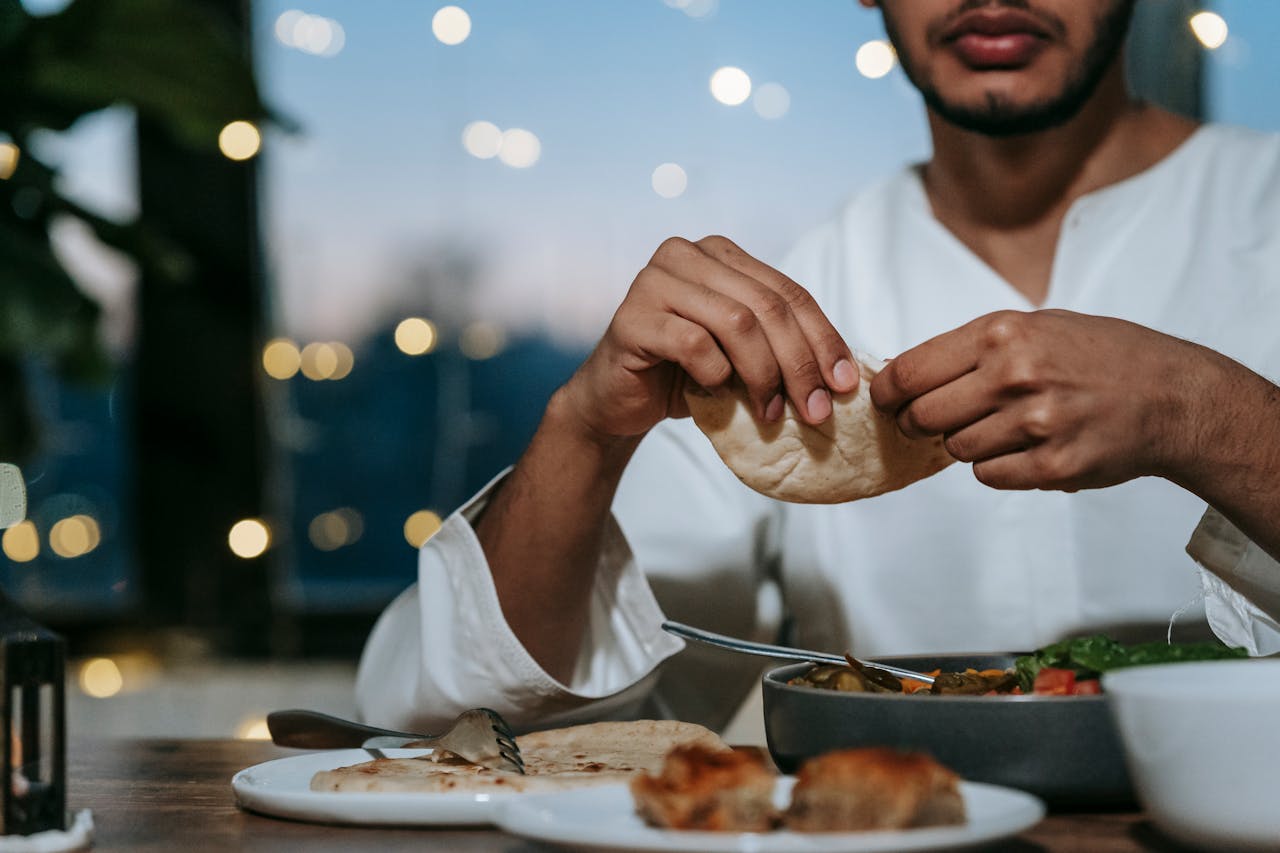
Many people think that halal means only that pork and alcohol should not be consumed. This is only a small glimpse of halal. In Islam, halal food is that which is pure in its origin, clean in its method of preparation, and permissible in terms of eating, as taught in the Quran and Sunnah.
There are three basic conditions for halal food.
-
The first is that its ingredients are halal.
-
The second is that the method of preparation is halal.
-
The third is that the income from which the food was purchased is also halal.
If even one of these three conditions is not met, that food is no longer halal.
For example, chicken itself is halal, but if it is slaughtered in an un-Islamic way or cooked in alcohol, or mixed with forbidden things, it becomes suspect. This balance makes halal a complete spiritual system.
My visit to a halal market
I still remember the first time I went to a halal market. The air was filled with the aroma of fresh meat, spices, and herbs. Each package was clearly marked as halal. The butcher explained the entire slaughtering process with confidence. There was a calmness in his voice. He said that this was not just business, but also worship.
People came with confidence. They asked about the source of the meat, the farm, and the method of slaughter. No one was ashamed to ask questions. This is the most beautiful thing about halal culture, that honesty is given great importance here.
Halal and Haram in the Quran
Islam has clearly explained what is halal and what is haram. In the Quran, Allah Almighty said to eat pure and lawful things. This command is not only for physical health but also for spiritual strength.
Haram foods include pork, blood, animals that have not died properly, and intoxicants. Any food that contains any of these becomes haram. This restriction is not without reason. Its purpose is to protect health, purity and morality.
What impresses me most is that Islam does not forbid anything without wisdom. Every forbidden thing has physical, mental or social harm.
Islamic method of slaughter
The most misunderstood aspect of eating halal is the method of slaughter. Many people consider it cruel, but when I saw it myself and talked to scholars and butchers, I realized that this method is very gentle and ethical.
The animal is treated gently. It is not shown the knife. One animal is not slaughtered in front of another. A sharp knife is used to minimize pain. The name of Allah is mentioned so that it is remembered that the soul belongs to the giver of life. Blood is completely removed because blood is forbidden in Islam.
This method combines cleanliness, mercy and remembrance of God. It is not cruelty but teaches responsibility.
Halal food and cleanliness
Cleanliness has a very important place in Islam. Halal food is not just the name of the ingredients, but cleanliness is also an integral part of it. The kitchen should be clean. The utensils are clean. The hands are clean. Even the place where the food is kept is clean.
I saw in the kitchen of a halal restaurant how raw meat and cooked food were kept separate. Every surface was washed repeatedly. The chef said that cleanliness is part of faith. This fact stuck in my heart.
That is why non-Muslims also trust halal food more because it is cleaner for them.
Halal ingredients besides meat
Many people think that halal is limited to meat. This is a big misconception. Halal applies to all types of food, such as oils, sauces, sweets, drinks, and even medicines.
Gelatin is found in many sweets and capsules. If it is made from pork, it becomes haram. Alcohol is not only for drinking but is also used for aroma and flavor, which makes the food suspicious.
Halal consciousness teaches a person to read the ingredients, understand their origin, and make a thoughtful decision.
The Spiritual Impact of Halal Food
Eating halal food has a profound effect on the heart. People often do not understand how deep the connection between food and the soul is. What we eat enters our body and affects our prayers, thoughts, and the state of our hearts.
Scholars say that eating haram food hardens the heart and becomes an obstacle to the acceptance of prayers. When a person eats halal food, there is peace in worship. The heart feels light. I have experienced this myself.
Eating halal food is not only food for the body but also food for the heart.
Also Read: Master Tajweed Rules for Perfect Quran Recitation
Halal in everyday Muslim life
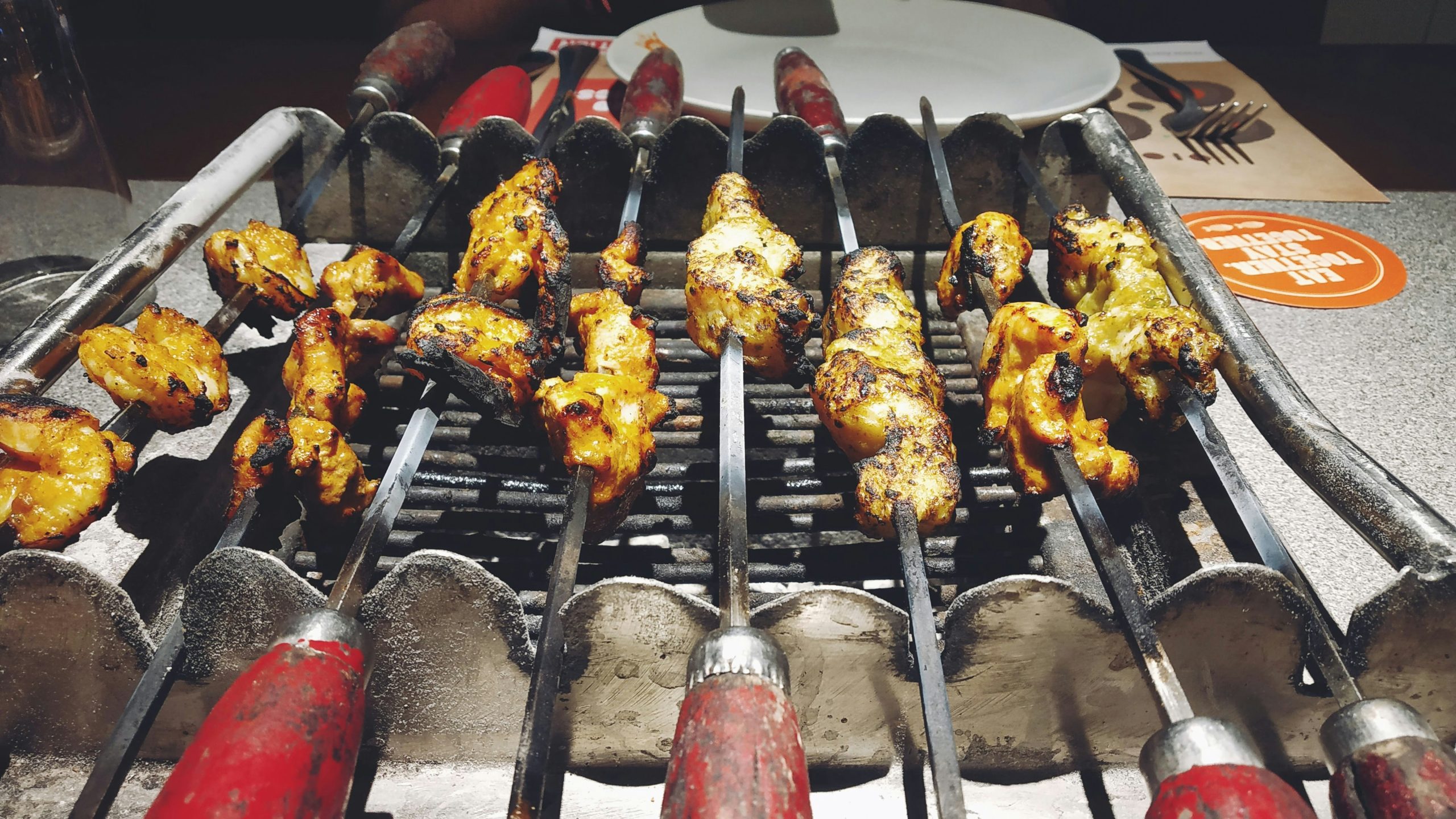
Halal life is not limited to special days. It becomes a daily habit. Be it breakfast, lunch, snacks or drinks, everything is considered halal.
I have spent time with families who believe that it is better to remain hungry than to eat something suspicious. They teach their children to ask about the ingredients from a young age. This training builds both religion and identity.
Even when traveling, the first thing Muslims ask is whether they will get halal food here.
Importance of Halal Certification
In today’s era, halal certification has become very important because now food is produced on a large scale. In such a situation, it is not possible to test everything yourself. That is why halal certification institutions have been established.
These institutions inspect the ingredients, procedures, storage and preparation. Only after thorough testing is something given the halal label. Companies that actually practice halal proudly display their certificates.
Still, the buyer should be aware of this because not every label is reliable.
Benefits of Halal Food and Health
A major benefit of eating halal is related to health. Since blood, intoxication, and harmful substances are prohibited in halal, the food is automatically purified.
The Islamic method of slaughter removes blood well, which makes the meat cleaner and safer. Abstaining from alcohol protects the liver and brain. Avoiding pork protects against many diseases.
Today, many non-Muslims also consume halal meat simply because of its cleanliness and quality.
FAQs
What is the concept of halal food in Islam?
The concept of halal food in Islam is based on purity, permission, and obedience to Allah. Halal food is that which is lawful according to the Quran and Sunnah. It must be pure in ingredients, lawful in earning, and prepared in a clean and ethical way. Eating halal is not only a physical choice but also a spiritual act of worship.
What are the rules of halal food?
The basic rules of halal food are that the food must not contain pork, blood, intoxicants, or any forbidden ingredients. Animals must be slaughtered according to the Islamic method by mentioning the name of Allah. The food must be prepared with clean utensils and halal ingredients. The income used to buy the food must also be halal.
What is the logic behind halal food?
The logic behind halal food is to protect human health, maintain spiritual purity, and promote ethical living. Halal rules prevent the consumption of harmful substances, encourage cleanliness, and ensure that animals are treated with mercy. Halal food also helps in building self discipline and awareness in daily life.
How to explain what halal is?
Halal can be explained as anything that is allowed and pure according to Islamic teachings. When talking to non Muslims, halal can be described as a system of ethical eating that focuses on cleanliness, lawful ingredients, humane treatment of animals, and healthy living. It is not just a religious rule but also a lifestyle of responsibility and awareness.
If you wish to learn the Quran online or enroll in one of our Quran courses, click below and start your learning journey today. Explore Our Courses →
