Hajj 2026: A Life-Changing Spiritual Journey to Makkah
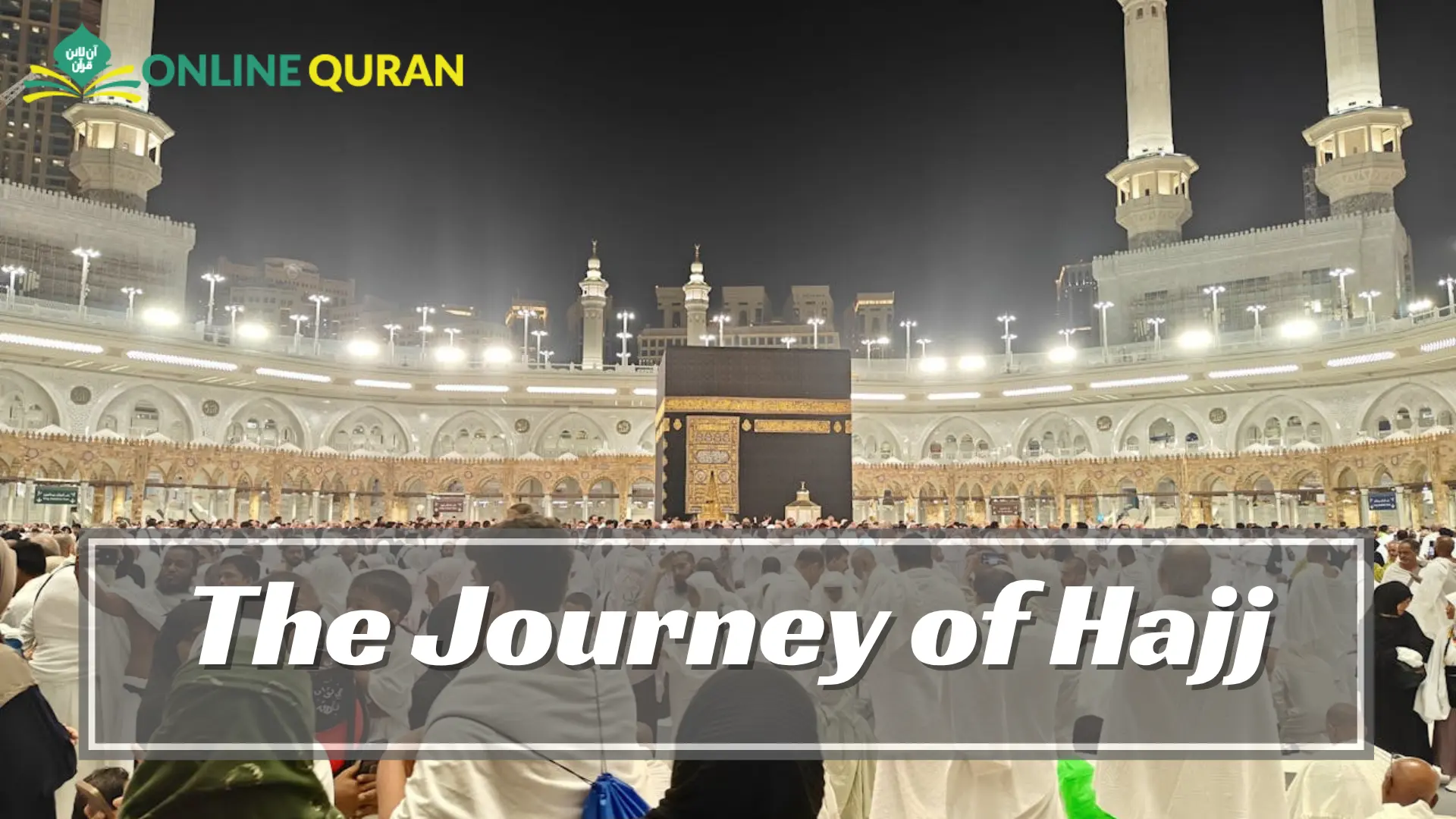
The Journey of Hajj: The Story of My House of Allah
Beginnings: When the Call Comes to My Heart
Have you ever wondered why we go to Mecca? Because Allah Almighty has called us! Hajj is not an ordinary picnic. It is a journey that purifies our soul. Just like a child comes home from school and tells his mother everything, we go to the house of Allah and tell her everything. This journey begins when the desire awakens in our heart that “I wish! I too can see this black house (Kaaba).”
People start preparing months in advance. Some take out their savings, while others pray to Allah in tears, saying, “O Allah! Call me.” And when the call comes, there is no place for happiness.
Hajj preparation and departure
When we prepare to go on Hajj, we don’t just pack our clothes. We also cleanse our hearts. We apologize to all our friends and relatives so that they can forgive us if we have ever shown their hearts. Children are happy when they go somewhere, right? Going on Hajj is the greatest joy of all.
When we leave home, everyone hugs each other, prays, and there are tears of joy in their eyes. Everyone says, “Go to the house of Allah and pray for us too.”
Ihram: All the same
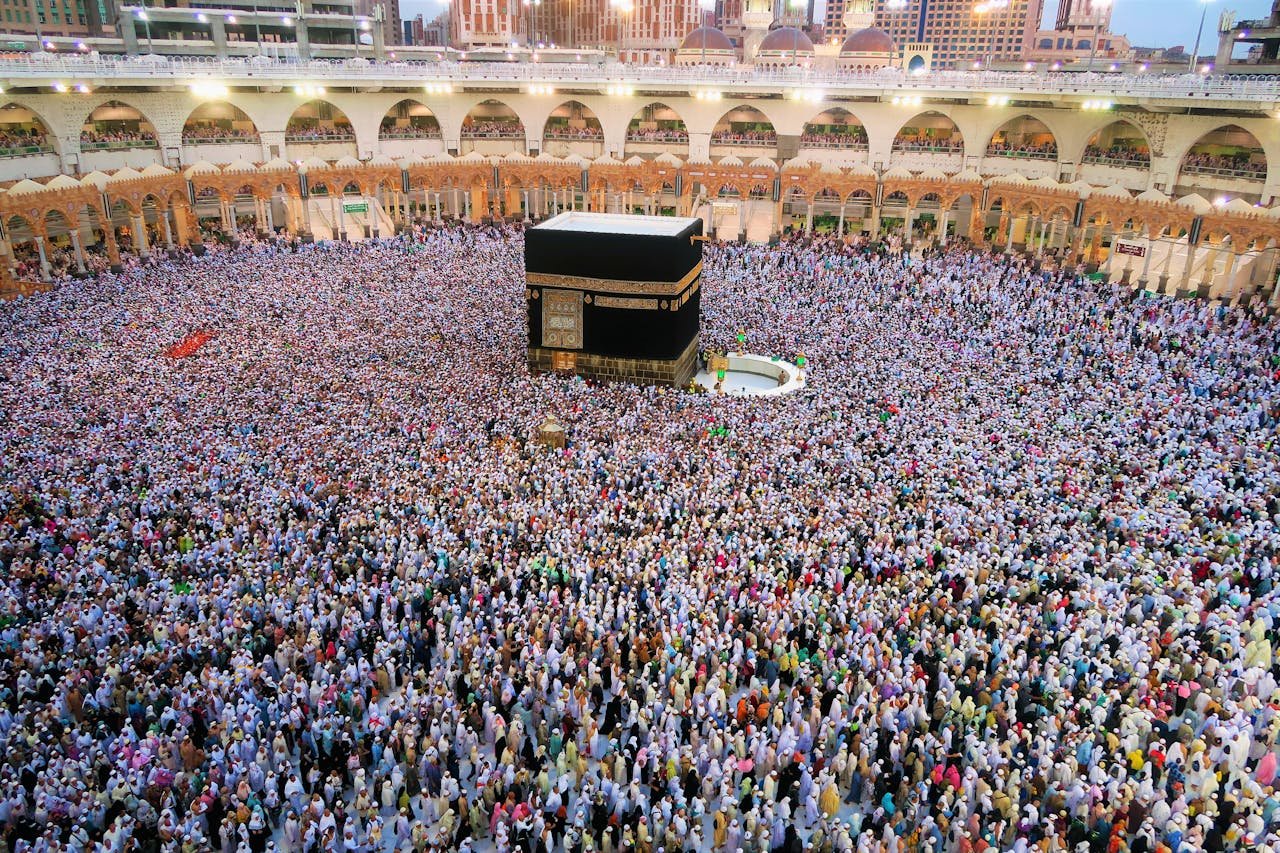
Before reaching Mecca, we don’t wear blue or yellow clothes, but “Ihram.” These are two white sheets. They have no pockets, no designs. Why? Because everyone is equal in front of Allah no rich, no poor. When everyone wears the same clothes, it feels like we are all part of the same team.
After wearing the Ihram, we start reciting “Labaik”. “Labaik” means: “Oh Allah! I am here, I have come!” Reciting this word feels like we are talking to Allah.
The first glimpse of Mecca and the sight of the Kaaba
When the plane approaches Mecca or when we enter Mecca by bus, our heart starts beating fast. When we first see the Kaaba after reaching Mecca, it feels like the world has stopped. When children see something very beautiful, their eyes stay open, right? Just like that, tears come to their eyes when they see the Kaaba.
That place is very peaceful. People are walking around the Kaaba all the time. The first prayer that is made after seeing the Kaaba, Allah Almighty definitely accepts it. That is why we all think in advance what we should pray for.
Tawaf: Charity for the House of Allah
Tawaf means circling the Kaaba seven times. It is just like we circle a loved one to show our love for him. When we do Tawaf, we say to Allah, “O Allah! May my whole life be according to your command.”
People do not push each other (or try not to), they all pray together. There are people of every color, every race, and every country. Some are white, some are black, some are small, some are big, but they are all walking in the same direction.
Zamzam: The Sweetest Water
The well of Zamzam is right next to the Kaaba. Every child knows this story, right? When Hazrat Ismail (peace be upon him) was a little boy (just like you!), he was thirsty. He rubbed his feet on the ground, and water came out of it by Allah’s command.
That water is still there today. It is the best water in the world. During Hajj, we drink this water to our hearts’ content. This water not only quenches our thirst, but it also cures diseases. There are cool Zamzam water coolers everywhere in Mecca and we drink it with great enthusiasm.
Also Read: Surah Baqarah Last 2 Ayat Benefits, Meaning and Powerful Protection
Sa’i: The Race between Safa and Marwa
After Tawaf, we do “Sa’i”. This involves walking seven times between two hills, Safa and Marwa. It reminds us of Hazrat Hajar who ran between these hills to find water for her little son Ismail.
When we walk there, we realize how much a mother loves her children and how much Allah Almighty loves the hard work of His slaves. There is a place where men have to run a little faster, it is very nice to see.
Mina: The City of Tents
When the special days of Hajj begin, we leave Mecca and go to “Mina”. There are white tents everywhere. It is just like camping! But this camping is for Allah. There is no AC or big rooms (although there are many facilities now), but the aim is for everyone to be simple. There we pray and remember.
Arafat: The biggest day of Hajj
The main day of Hajj is the day of Arafat. They say, “Hajj is Arafat”. Here everyone gathers in a big field. From noon until sunset we only pray.
This day is as if Allah Almighty is happy to see his servants from the sky and the angels are saying “Amen” to the prayers. Here, whoever repents with a sincere heart, Allah forgives him. This day is a little tiring because it is sunny, but everyone forgets everything in the love of Allah.
Night in Muzdalifah: Sleeping under the stars
After Arafat, we go to “Muzdalifah”. There are no tents or rooms here. Everyone sleeps on the sand under the open sky. How nice it is to sleep looking at the stars, isn’t it? Here we collect small pebbles that we have to throw at the devil the next day. This night is very peaceful, there is light everywhere. There are sounds of mushi and dhikr.
Rami: Throwing stones at the devil
The next day we return to Mina and throw stones at the devil. This does not mean that the real devil is standing there, but rather it is a sign that we are throwing stones at our bad habits. We promise that we will no longer lie, show our hearts to anyone and not listen to the devil.
Sacrifice and Eid
After throwing stones, we sacrifice animals in the name of Allah. This is the Sunnah of Prophet Ibrahim (peace be upon him). After this, men cut or shave their hair. Now we can take off our Ihram and wear ordinary clothes. This is a day of joy, which we call Eid al-Adha.
The last Tawaf and return
After completing the Hajj, we go to the Kaaba one last time, which is called the “Farewell Tawaf”. This is the most difficult time because now we have to leave the house of Allah. Everyone’s heart is sad and everyone prays, “Oh Allah! Call us back here.”
What does Hajj teach us?
Hajj teaches us many good things:
-
Patience: When we are patient in such heat and rush, we become strong.
-
Equality: Everyone is dressed the same, no one is big or small.
-
Love: Meeting Muslims from all over the world, we realize that we are all one family.
-
Gratitude: When we return, we appreciate our home and blessings more.
FAQs
1. What are the 7 stages of Hajj?
The 7 main stages of Hajj are: 1. Entering the state of Ihram, 2. Staying in Mina, 3. Standing at Arafat, 4. Spending the night in Muzdalifah, 5. Stoning the Devil (Rami), 6. Performing the Sacrifice (Qurbani), and 7. Final Tawaf and Sa’i at the Kaaba.
2. Can I touch my wife during Hajj?
In the state of Ihram, any form of sexual intimacy or physical desire-based touching is strictly forbidden. However, simple physical contact for assistance, like helping her walk or providing support in crowds, is allowed.
3. What is a Hajj in Islam?
Hajj is the fifth pillar of Islam. It is a sacred pilgrimage to the House of Allah (Makkah) that is mandatory once in a lifetime for every Muslim who is physically healthy and financially able.
4. Can we wear a bra in Hajj?
Yes, women are allowed to wear bras and other stitched undergarments during Hajj and while in the state of Ihram. For women, Ihram is simply their regular modest clothing.
5. What is a female Haji called?
A woman who has successfully completed the Hajj pilgrimage is called a “Hajjah.”
6. Which country has 100% Muslims?
Countries like the Maldives, Mauritania, and Saudi Arabia have a population that is officially almost 100% Muslim.
If you wish to learn the Quran online or enroll in one of our Quran courses, click below and start your learning journey today.
Explore Our Courses →
