Easy Surahs to Memorize for Beginners and Build Your Hifz Journey
Easy Surahs to Memorize for Beginners: A Complete Guide to Starting Your Quran Journey
Learning to memorize the Quran is one of the most rewarding acts of worship in Islam. For new Muslims and young learners alike, knowing which Surahs to start with can make the entire process feel manageable and spiritually fulfilling. This guide focuses on the easy Surahs to memorize for beginners, helping you build a strong Quranic foundation from the very first day.
Whether you are a child just starting madrassa, a revert Muslim learning salah, or an adult seeking to strengthen your connection with the Quran, these short and accessible Surahs will serve as your starting point.
Why Memorizing Short Surahs Matters
Before exploring the list of easy Surahs to memorize for beginners, it is important to understand why hifz (Quranic memorization) holds such a central place in Islam. The Prophet Muhammad (peace be upon him) said that the one who memorizes the Quran and acts upon it will be raised among the noble and righteous angels. Even memorizing a handful of Surahs carries immense spiritual weight.
Short Surahs found in Juz Amma (the 30th chapter of the Quran) are the most frequently recited in daily prayers. Mastering them means you can pray with confidence and understanding. These Surahs are brief, rhythmically beautiful, and filled with deep theological meaning, making them ideal for beginners at any age.
The Best Easy Surahs to Memorize for Beginners
1. Surah Al-Fatiha (Chapter 1)
Surah Al-Fatiha is the opening chapter of the Quran and the most recited Surah in all of Islamic worship. It consists of only 7 ayahs (verses) and is recited in every rakah of salah. No prayer is valid without it, making this the single most important Surah for every Muslim to memorize.
Known as “Umm Al-Quran” (the Mother of the Quran), Al-Fatiha contains a complete supplication to Allah, acknowledging His sovereignty, seeking His guidance, and asking to be kept on the straight path. Its short length, repetitive rhythm, and daily use in prayer make it the easiest starting point for any beginner.
2. Surah Al-Ikhlas (Chapter 112)
Surah Al-Ikhlas is one of the most memorized Surahs in the world. With only 4 verses, it declares the absolute oneness of Allah (tawhid) in a clear and concise manner. The Prophet (PBUH) mentioned that reciting this Surah is equivalent to reciting one-third of the Quran.
Its short length and deep meaning make it an essential part of any beginner’s hifz journey. Many children memorize it within a single sitting. It is recited in daily prayers, during witr salah, and as a form of dhikr throughout the day.
3. Surah Al-Nas (Chapter 114)
Surah Al-Nas is the final chapter of the Quran and one of the two protective Surahs known together as Al-Mu’awwidhatan. It consists of 6 short verses seeking refuge in Allah from the whispers of Shaytan. Reciting it before sleep and after prayers is a Sunnah practice.
Its simple structure and phonetic flow make it highly accessible to beginners. Children often memorize it alongside Surah Al-Falaq as a pair.
4. Surah Al-Falaq (Chapter 113)
Surah Al-Falaq is the companion to Surah Al-Nas. With only 5 verses, it seeks protection from all external evils including darkness, sorcery, and envy. Together, Al-Falaq and Al-Nas are recited after Fajr and Maghrib prayers three times each, according to authentic hadith.
For beginners, memorizing both Al-Nas and Al-Falaq together is a practical approach since they are short, thematically connected, and used together in regular worship.
5. Surah Al-Kawthar (Chapter 108)
Surah Al-Kawthar is the shortest Surah in the Quran, consisting of only 3 verses. It was revealed to comfort the Prophet (PBUH) and remind him of the abundant blessings Allah had given him. Its brevity makes it the fastest Surah to memorize, sometimes learned in just a few minutes.
Despite its length, it carries powerful meaning about gratitude, worship, and the reality of those who oppose the Prophet of Allah. It is an excellent first Surah for very young children or adults memorizing their first piece of the Quran.
6. Surah Al-Asr (Chapter 103)
Surah Al-Asr contains only 3 verses yet summarizes the entire path to salvation according to Islamic theology. Imam Al-Shafi’i said that if people reflected deeply on this one Surah, it would be enough for them. It emphasizes faith, righteous deeds, truth, and patience.
This Surah is easy to memorize because of its short, rhythmic verses and is extremely powerful to include in your daily recitation after salah or during moments of reflection.
7. Surah Al-Maun (Chapter 107)
Surah Al-Maun has 7 short verses and addresses those who deny the Day of Judgment, neglect orphans, and perform prayers only for show. It is a call to genuine social responsibility and sincere worship. Its vocabulary is straightforward and its message is direct, making it easy for intermediate beginners who have already memorized the shortest Surahs.
8. Surah Al-Fil (Chapter 105)
Surah Al-Fil narrates the story of the army of elephants that came to destroy the Kaaba. With 5 vivid and memorable verses, it is easy to memorize because the story itself acts as a mental anchor for each ayah. Children especially enjoy this Surah because of its narrative nature.
9. Surah Al-Quraysh (Chapter 106)
Surah Al-Quraysh has only 4 verses and is often memorized alongside Surah Al-Fil since they are thematically connected. It speaks of the blessings Allah gave to the Quraysh tribe and is simple in language and structure.
10. Surah Al-Kafiroon (Chapter 109)
Surah Al-Kafiroon consists of 6 verses and is often called the Surah of disavowal. It clearly separates the beliefs of Muslims from those who reject Islam. The Prophet (PBUH) recommended reciting it before sleeping as it purifies one’s intention and faith. Its repetitive structure makes it among the easy Surahs to memorize for beginners once the first two lines are learned.
Also Read: Can We Pray After Witr? What Every Muslim Should Know
Juz Amma: The Beginner’s Treasure Chest
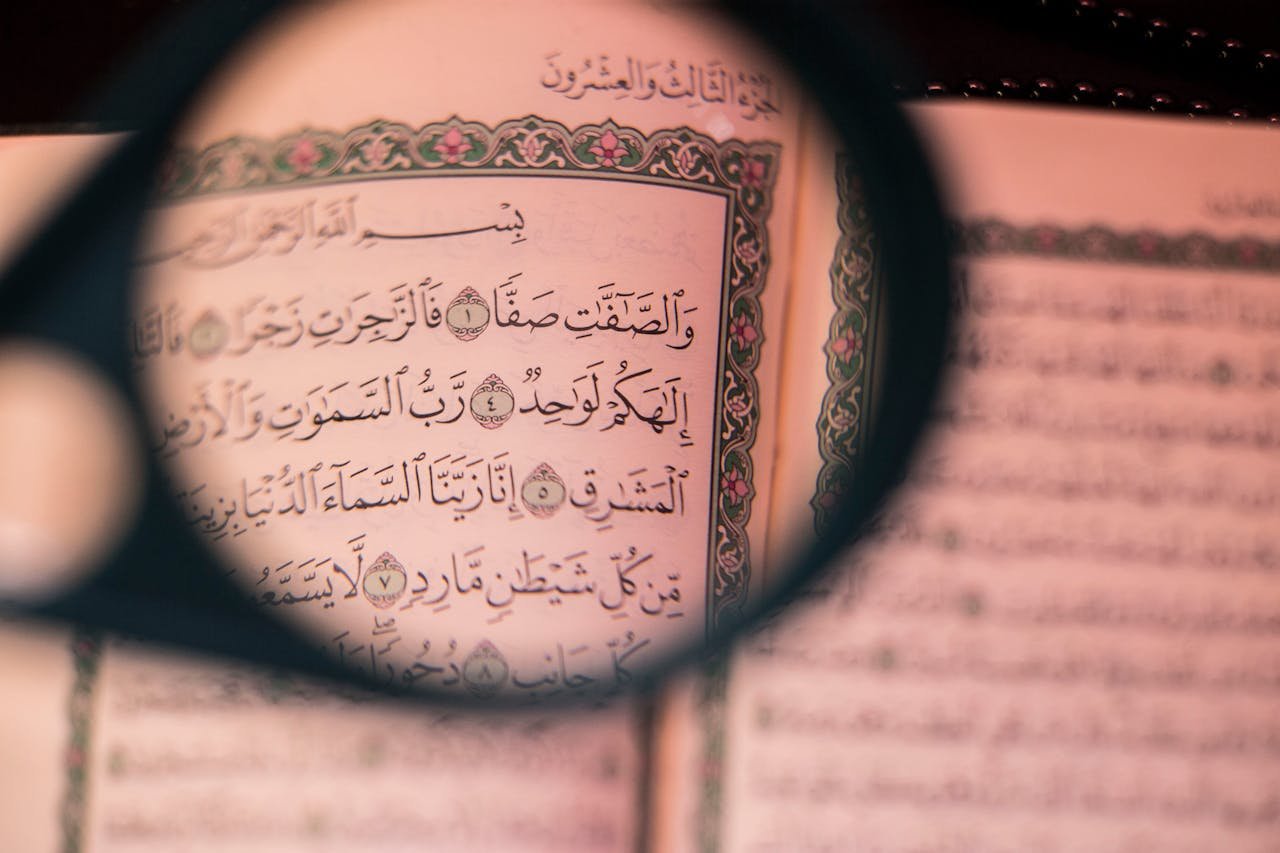
Juz Amma is the 30th and final part of the Quran. It contains the shortest Surahs and is universally recognized as the starting point for Quranic memorization. Most Islamic schools and madrassas around the world begin hifz programs with Juz Amma. The Surahs listed above are all part of this section.
Other slightly longer Surahs in Juz Amma that intermediate beginners can progress toward include Surah Al-Naba (Chapter 78), Surah Al-Ghashiyah (Chapter 88), Surah Al-Ala (Chapter 87), and Surah Al-Duha (Chapter 93). Each of these has a memorable rhythm and theme that aids in retention.
Proven Tips for Memorizing Surahs Effectively
Knowing which Surahs to memorize is only half the battle. Here are practical memorization strategies that Islamic scholars and hafiz teachers have recommended for centuries:
Repeat Each Ayah Consistently: Scholars recommend reciting each new verse 20 to 40 times before moving on. Repetition is the foundation of hifz.
Listen to Qari Recitation: Listening to renowned Qaris such as Sheikh Abdul Rahman Al-Sudais, Sheikh Mishary Al-Afasy, or Sheikh Abdul Basit Abd Us-Samad before memorizing helps lock in the correct pronunciation (tajweed) and rhythm.
Memorize Before Sleeping: Research in cognitive science and classical Islamic scholarship both support nighttime memorization. The mind consolidates memory during sleep, so reviewing your Surah after Isha prayer and just before sleeping strengthens retention significantly.
Use Visual Memorization: Keep the same Mushaf (Quran copy) throughout your memorization journey. Your brain forms a visual memory of the page layout, which aids recall during recitation.
Review Daily Without Fail: Never skip a day of revision. Even if you only recite your memorized Surahs in salah, that counts as review. Consistency protects against forgetting.
Understand the Meaning: Reading the tafsir (exegesis) and translation of each Surah deepens your connection to the words and significantly improves retention. Meaning-based memory is far stronger than mechanical repetition alone.
Recommended Daily Schedule for Beginners
A simple and sustainable routine for someone starting their hifz journey:
After Fajr, spend 15 minutes memorizing new verses. After Dhuhr or Asr, spend 10 minutes reviewing what was memorized in the morning. After Maghrib, recite all memorized Surahs in your nafl prayers. After Isha, do a final revision before sleep.
This approach requires no more than 30 minutes daily and builds a strong base over weeks and months.
FAQs
Q1: Which is the easiest Surah to memorize for a complete beginner?
Surah Al-Kawthar (Chapter 108) is the shortest Surah in the Quran with only 3 verses, making it the easiest starting point for any beginner. Surah Al-Ikhlas follows closely as another extremely accessible option.
Q2: How long does it take to memorize Juz Amma?
With consistent daily practice of 20 to 30 minutes, most beginners can complete Juz Amma within 6 to 12 months. Children who attend regular madrassa classes often complete it faster.
Q3: Is tajweed necessary when memorizing Surahs?
Yes, learning basic tajweed rules is highly recommended. Incorrect pronunciation can change the meaning of Quranic words. Listening to a qualified reciter and practicing with a teacher helps ensure accurate memorization.
Q4: Can adults memorize Surahs as effectively as children?
Absolutely. While children tend to memorize faster due to neuroplasticity, adults have the advantage of deeper comprehension, stronger motivation, and better study habits. Many adults have completed full Quran memorization after the age of 40.
Q5: What is the best app for memorizing Surahs?
Popular apps used globally include Quran Companion, Memorize Quran, and Tarteel AI. These tools use spaced repetition and audio support to make hifz accessible for digital learners.
Q6: Should I memorize Surahs in Arabic even if I do not speak Arabic?
Yes. Quranic Arabic is the original and only accepted language for salah. Non-Arabic speakers are encouraged to learn the meaning of Surahs in their native language alongside the Arabic memorization for both understanding and spiritual benefit.
If you wish to learn the Quran online or enroll in one of our Quran courses, click below and start your learning journey today.
Explore Our Courses →
