What is Muharram and why is it celebrated? A Comprehensive Guide
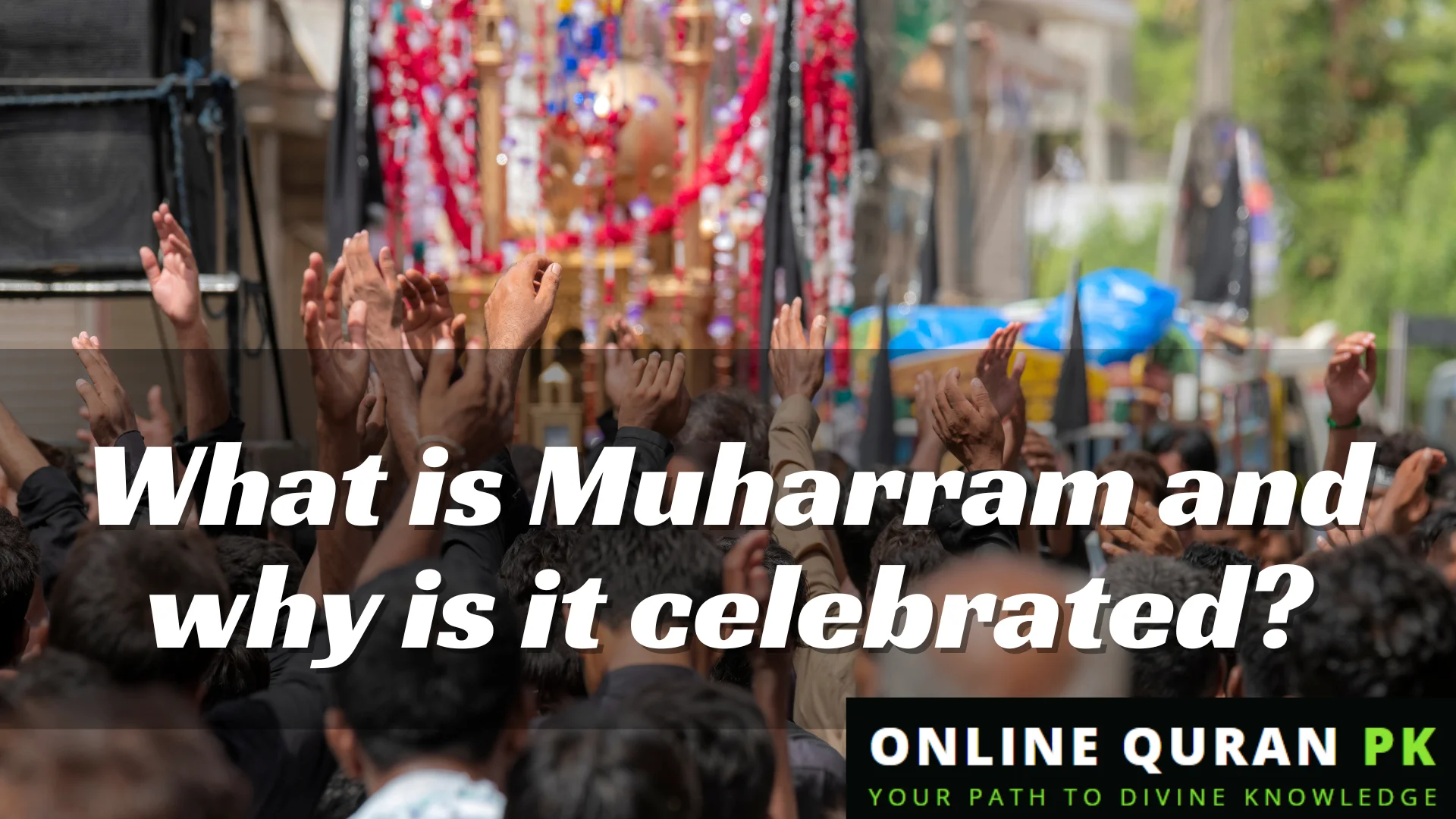
What is Muharram and why is it celebrated?
The Islamic calendar begins not with a period of joyful feasting, but with a month of deep reflection, historical solemnity, and profound spiritual significance. To understand the global Islamic landscape, one must look closely at its introductory month. What is Muharram and why is it celebrated? This question opens the door to centuries of history, theology, and diverse cultural practices that shape the lives of over two billion Muslims worldwide.
As the first month of the Hijri lunar calendar, Muharram holds an honored position in Islamic tradition. It is recognized as one of the four sacred months ordained by Allah, during which conflict is strictly prohibited. For different communities within the global Muslim Ummah, Muharram carries multiple layers of meaning. It marks both the peaceful migration that established the first Islamic state and the tragic martyrdom of the grandson of Prophet Muhammad, an event that permanently altered the course of Islamic history.
1. Understanding Muharram: The First Month of the Hijri Calendar
To comprehend what is Muharram and why is it celebrated, one must first look at its place within the Islamic temporal framework. The Islamic calendar, known as the Hijri calendar, is purely lunar, relying on the cycles of the moon rather than the solar year. This means the months shift across the Gregorian calendar seasons over a thirty-year cycle.
The word Muharram itself is derived from the Arabic root root word meaning forbidden or sacred. Long before the advent of Islam, the diverse tribal societies of the Arabian Peninsula observed a traditional peace agreement during this month. All ancestral blood feuds, territorial battles, and commercial conflicts were put on hold. This allowed merchants, pilgrims, and travelers to traverse the desert trade routes safely without fear of ambush.
When Prophet Muhammad received the final revelation, the special status of this month was confirmed and purified. It became a time dedicated to spiritual growth, continuous prayer, and increased acts of charity. In contemporary terms, the arrival of the month represents the Islamic New Year, a time when Muslims reflect on the passage of time and their personal spiritual state.
2. The Sacred Months in Islamic Tradition
The theological importance of Muharram is rooted directly in the text of the Holy Quran. Islamic scripture notes that the division of time into twelve months was established by divine decree at the creation of the universe. Among these twelve, four months are explicitly designated as sacred.
┌─────────────────────────────────────────────────────────────┐
│                 THE FOUR SACRED ISLAMIC MONTHS              │
├───────────────────┬─────────────────────────────────────────┤
│ Month Name        │ Calendar Position                       │
├───────────────────┼─────────────────────────────────────────┤
│ Dhul-Qadah        │ 11th Month of the Hijri Year            │
│ Dhul-Hijjah       │ 12th Month Pilgrimage Season            │
│ Muharram          │ 1st Month Islamic New Year              │
│ Rajab             │ 7th Month Separate Sacred Month         │
└───────────────────┴─────────────────────────────────────────┘
Three of these months run consecutively: Dhul-Qadah, Dhul-Hijjah, and Muharram. This sequence was designed to protect pilgrims traveling to Makkah for the annual Hajj pilgrimage. The fourth month, Rajab, stands alone later in the year.
During these periods, the moral weight of human choices is magnified. Good deeds yield greater spiritual rewards, while wrongdoings carry a heavier spiritual consequence. This framework encourages Muslims to practice heightened self-discipline, avoid gossip, mend broken relationships, and seek forgiveness from Allah.
3. Why is Muharram Celebrated: The Historical Milestones
When exploring why is Muharram celebrated, it is vital to clear up a common misunderstanding. The term celebration does not mean festive partying in this context. For Muslims, observing Muharram means commemorating historical events, engaging in quiet reflection, and honoring acts of absolute devotion to God.
The first major historical milestone connected to the month is the Hijrah, the migration of Prophet Muhammad and his early followers from Makkah to Medina in 622 CE. Facing severe economic boyotts, physical persecution, and assassination plots by the ruling Quraysh tribe, the small Muslim community sought refuge in the northern oasis city then known as Yathrib.
This migration was not a retreat; it was a strategic turning point. In Medina, the Prophet established a constitutional society that guaranteed religious freedom and mutual protection for all citizens. When the second caliph, Umar ibn al-Khattab, standardized the Islamic administrative calendar, he chose the year of the Hijrah as the starting point and Muharram as the opening month. Therefore, observing the month serves as an annual reminder of resilience, patience, and the birth of a unified global community.
4. The Prophet Moses and the Fast of Ashura
The tenth day of Muharram is known as Ashura, a day of immense historical importance that predates the prophetic mission in Makkah. When Prophet Muhammad migrated to Medina, he observed the local Jewish communities fasting on this specific day.
Upon inquiring about the purpose of the fast, he learned that it was an act of thanksgiving to commemorate the day Allah saved the Prophet Musa, known as Moses in Western tradition, and the Children of Israel from the tyranny of Pharaoh by parting the Red Sea. Recognizing the shared prophetic lineage of monotheism, the Prophet stated that Muslims hold a deep connection to Moses. He subsequently fasts on this day and recommended that his followers do the same.
[1st of Muharram: Islamic New Year and Reflection]
                       │
                       ▼
[9th of Muharram: Recommended Voluntary Fasting]
                       │
                       ▼
[10th of Muharram: Day of Ashura Saving of Moses / Karbala Tragedy]
                       │
                       ▼
[11th of Muharram: Companion Fasting for Distinction]
To differentiate the Islamic practice from local traditions, the Prophet suggested fasting on either the ninth and tenth, or the tenth and eleventh days of the month. Voluntary fasting during this period is highly praised in authentic traditions, with teachings noting that it washes away the minor sins of the preceding year. It represents a spiritual opportunity to reset one’s relationship with God through physical discipline and prayer.
5. The Tragedy of Karbala: Martyrdom of Imam Hussain
While the first half of the month is tied to salvation and the new year, it is also defined by one of the most tragic events in human history. This event centers on the narrative of the Day of Ashura in the sixty-first year of the Islamic calendar, corresponding to October 680 CE.
Following the passing of the first generation of leaders, political corruption threatened the administrative integrity of the caliphate. Yazid ibn Muawiyah claimed imperial power in Damascus and demanded oaths of allegiance from prominent leaders, including Imam Hussain, the grandson of Prophet Muhammad and son of Ali ibn Abi Talib. Imam Hussain refused to offer legitimacy to a ruler whose governance violated Islamic principles of justice, equity, and compassion.
Accompanied by his immediate family, small children, and a loyal group of companions, Imam Hussain traveled toward Kufah. His small caravan was surrounded in the desert of Karbala, located in modern-day Iraq, by a massive imperial army sent by Yazid.
The caravan was cut off from access to the nearby Euphrates River, leaving men, women, and infants to endure extreme thirst under the desert sun for days. On the tenth day of Muharram, Imam Hussain and his seventy-two companions stood firm, refusing to yield their principles. They were systematically martyred in an unequal battle, and the surviving women and children were taken as captives to Damascus.
This stand at Karbala was a pivotal moment. It was a clear, moral stance showing that justice must be defended against tyranny, regardless of the personal cost. For millions of Muslims, especially within the Shia tradition, the question of what is Muharram and why is it celebrated is answered through the lens of Karbala. It is an annual period of intense mourning, spiritual renewal, and dedication to social justice.
6. How Muharram is Observed Worldwide
Observances during this month vary significantly across different Islamic schools of thought and cultural regions, reflecting the diverse global nature of the faith.
Shia Commemorations
For Shia Muslims, the first ten days of the month are a time of profound public and private grief. Black clothes are worn as a visible sign of mourning. Communities gather in specialized assembly halls known as Imambargahs, Hussainiyas, or Ashurkhanas.
In these assemblies, religious scholars deliver detailed sermons retelling the history of the tragedy of Karbala, analyzing its moral implications, and encouraging the faithful to cultivate compassion. These lectures are followed by rhythmic elegies and lamentations known as Nohas or Latmiyas. On the Day of Ashura, massive public processions fill the streets of major cities, featuring symbolic replicas of the shrine of Imam Hussain.
┌─────────────────────────────────────────────────────────────┐
│                 REGIONAL OBSERVANCES OF MUHARRAM            │
├───────────────────┬─────────────────────────────────────────┤
│ Region / Country  │ Unique Observance Style                 │
├───────────────────┼─────────────────────────────────────────┤
│ Iraq Karbala      │ Millions gather at the Holy Shrines     │
│ Indo-Pak Subcont. │ Making of Tazia replicas and Sabeel milk│
│ Iran              │ Ta'ziyeh ritual theatrical passion plays│
│ Caribbean region  │ Hosay street parades and drumming       │
└───────────────────┴─────────────────────────────────────────┘
Sunni Observances
Sunni Muslims generally observe the month through increased acts of devotion, scriptural study, and voluntary fasting on the ninth and tenth days. Sermons in Sunni mosques during this period highlight both the deliverance of Prophet Moses from Pharaoh and the virtues of the Prophet’s family, known as the Ahl al-Bayt.
While Sunni Muslims do not participate in formal mourning processions or physical lamentations, they share a deep love for Imam Hussain, viewing his stand against oppression as an inspiring example of courage and islamic integrity.
7. Cultural Adaptations and Inter-communal Observances
Over the centuries, the historical events of this month have blended with local cultures, creating unique regional traditions. In Pakistan and India, communities set up public refreshment stands called Sabeels. These stalls distribute free water, milk, and juices to passersby, honoring the extreme thirst endured by the family of the Prophet at Karbala. Large kettles of specialized stews and rice dishes are prepared and distributed directly to lower-income families.
In Iran, a traditional form of street theater known as Ta’ziyeh developed, where actors recreate the scenes of the Battle of Karbala to evoke empathy and deep reflection among viewers. This practice is recognized as a masterwork of cultural heritage.
Remarkably, the message of Karbala has reached far beyond religious borders. In parts of the Caribbean, such as Trinidad and Tobago and Jamaica, the month is marked by an annual cultural event known as Hosay. This multi-ethnic parade features elaborate models of houses and drumming, bringing together Muslim, Hindu, and Afro-Caribbean communities to honor the universal values of justice and standing up against oppression.
Ultimately, asking what is Muharram and why is it celebrated reveals that this month is much more than a simple calendar transition. It serves as a living connection to the past, forcing the global community to evaluate their actions, stand up for justice, and walk a path of spiritual devotion.
Frequently Asked Questions
What is Muharram and why is it celebrated?
Muharram is the first month of the Islamic lunar calendar and is recognized as one of the four sacred months in Islam. It is observed to mark the Islamic New Year, honor the historical migration of Prophet Muhammad, and commemorate the heroic stance of Imam Hussain at the Battle of Karbala.
Is Muharram a celebration or a time of mourning?
It includes both aspects depending on the historical context and tradition. While it marks the start of the Islamic New Year, it is primarily observed with solemn reflection, voluntary fasting, and deep mourning for the tragic martyrdom of Imam Hussain and his companions.
What is the significance of the Day of Ashura?
The tenth day of the month, called Ashura, is historically significant because it is the day Allah saved Prophet Moses and the Children of Israel from Pharaoh. It is also the day Imam Hussain was martyred at Karbala while resisting tyranny.
Why do Muslims fast during this month?
Muslims fast during this month, particularly on the ninth and tenth days, following the tradition of Prophet Muhammad. This fast acts as an expression of gratitude for the deliverance of Moses and offers spiritual cleansing for minor sins.
What is the connection between Karbala and this month?
The Battle of Karbala took place in the first ten days of this month in the sixty-first year of the Islamic calendar. The martyrdom of the Prophet’s grandson, Imam Hussain, on the Day of Ashura turned this month into a lasting symbol of sacrifice against injustice.
If you wish to learn the Quran online or enroll in one of our Quran courses, click below and start your learning journey today.
Explore Our Courses →
