The Powerful Benefits of Dhikr Every Muslim Should Know
Benefits of Dhikr in Islam
Dhikr, the remembrance of Allah, sits at the very heart of Islamic worship. It is not limited to the five daily prayers or the recitation of the Quran alone. Rather, it is a continuous state of consciousness that a believer carries throughout the day, whether sitting, standing, or walking. The Quran itself commands believers to remember Allah abundantly, and the Prophet Muhammad (peace be upon him) practiced Dhikr in nearly every moment of his life. Understanding the benefits of Dhikr in Islam helps Muslims appreciate why this simple act of remembrance carries such enormous spiritual, psychological, and even physical weight.
In this article, we will explore what Dhikr means, its foundation in the Quran and Sunnah, and the many benefits of Dhikr in Islam that scholars and practitioners have documented for centuries.
What Is Dhikr in Islam?
The word Dhikr comes from the Arabic root meaning “to remember” or “to mention.” In Islamic terminology, it refers to any act of remembering Allah through specific phrases, supplications, or the recitation of His names and attributes. Common forms of Dhikr include saying SubhanAllah (Glory be to Allah), Alhamdulillah (All praise is due to Allah), Allahu Akbar (Allah is the Greatest), and La ilaha illallah (There is no deity except Allah).
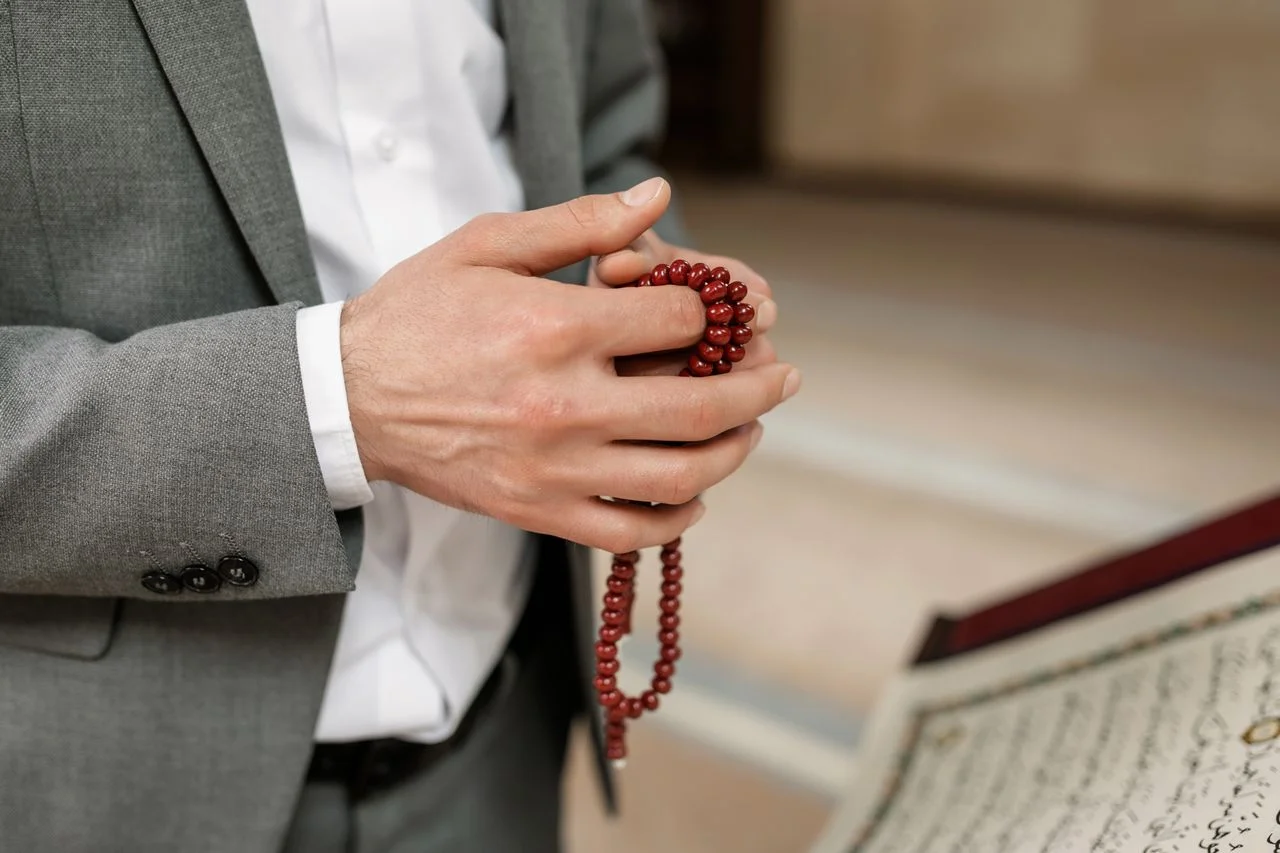
Dhikr can be performed silently in the heart, spoken aloud, or repeated using a tasbih (prayer beads). It can happen during formal worship or in the middle of everyday tasks such as cooking, driving, or walking to work. This flexibility is part of what makes Dhikr so accessible and so central to Islamic spirituality.
The Quranic Foundation of Dhikr
Allah says in the Quran, “O you who believe! Remember Allah with much remembrance.” (Surah Al-Ahzab, 33:41). Another verse states, “Verily, in the remembrance of Allah do hearts find rest.” (Surah Ar-Ra’d, 13:28). These verses establish Dhikr not as an optional extra but as a command woven into the fabric of faith. The Quran repeatedly links remembrance of Allah with tranquility, guidance, and success, which is why scholars consider the benefits of Dhikr in Islam to be both spiritual and practical.
1. Dhikr Brings Peace and Tranquility to the Heart
One of the most cited benefits of Dhikr in Islam is the calm it brings to a restless mind. Modern life is filled with anxiety, uncertainty, and constant distraction. Dhikr acts as an anchor, redirecting attention away from worldly stress and toward the remembrance of the Creator. As mentioned earlier, the Quran states clearly that hearts find rest through the remembrance of Allah. This is not merely a spiritual claim; many Muslims report a genuine sense of emotional grounding when they engage in consistent Dhikr, especially during difficult periods of life.
2. Dhikr Strengthens the Connection Between the Servant and Allah
Every phrase of Dhikr is essentially a conversation with Allah. Saying Alhamdulillah acknowledges His blessings, while saying Astaghfirullah acknowledges human weakness and seeks His forgiveness. This constant dialogue nurtures intimacy between the believer and Allah, reminding the heart that it is never alone. Over time, this habit builds a relationship of trust, gratitude, and dependence on Allah that shapes a person’s entire worldview.
3. Dhikr Is a Means of Seeking Forgiveness
The Prophet Muhammad (peace be upon him) taught that certain phrases of Dhikr carry the power to erase sins. In an authentic hadith recorded in Sahih Muslim, he said that whoever says SubhanAllahi wa bihamdihi one hundred times in a day will have their sins forgiven even if they are like the foam of the sea. This shows that Dhikr is not just symbolic; it is treated in Islamic teaching as an actual mechanism of spiritual purification, cleansing the heart from the accumulation of daily sins.
4. Dhikr Protects Against Whispers of Shaytan
Islamic tradition teaches that Shaytan tries to distract believers from righteousness through whispers, doubts, and temptations. Dhikr acts as a shield against this influence. The Prophet (peace be upon him) described the heart that remembers Allah as being like a house that is lit, keeping darkness away, while a heart devoid of remembrance is compared to an abandoned, ruined house where Shaytan can freely dwell. This makes consistent Dhikr a form of spiritual armor throughout the day.
5. Dhikr Increases a Person’s Reward and Closeness to Paradise
Every single utterance of Dhikr is recorded as a good deed. Saying SubhanAllah, Alhamdulillah, and Allahu Akbar after each prayer, for instance, is a practice the Prophet (peace be upon him) specifically encouraged because of the tremendous reward attached to it. Some hadiths describe these short phrases as “light on the tongue but heavy on the scale,” meaning they are simple to say yet carry enormous weight on the Day of Judgment.
6. Dhikr Cultivates Gratitude and Contentment
Constantly saying Alhamdulillah trains the mind to notice blessings rather than dwell on what is lacking. This shift in perspective is one of the more understated benefits of Dhikr in Islam. A person who regularly practices gratitude through Dhikr tends to develop a more content and less resentful outlook on life, even during hardship. Gratitude becomes a lens through which every experience, whether comfort or difficulty, is viewed as part of Allah’s plan.
7. Dhikr Improves Mental and Emotional Wellbeing
While Dhikr is fundamentally a spiritual practice, its effects overlap significantly with what modern psychology recognizes in mindfulness and meditation. Repetitive, focused remembrance slows down racing thoughts, lowers stress responses, and creates space for reflection. Many Muslims turn to Dhikr specifically during moments of grief, fear, or anxiety, finding that the rhythmic repetition of Allah’s names brings a sense of stability that other coping mechanisms fail to provide.
8. Dhikr Prepares the Heart for the Hereafter
Islam teaches that this worldly life is temporary and that the ultimate goal is success in the Hereafter. Dhikr keeps this reality in constant view, preventing the heart from becoming overly attached to material pursuits. By regularly remembering Allah, a believer is reminded of accountability, the Day of Judgment, and the eventual return to their Creator. This awareness naturally encourages better conduct, honesty, and mindfulness of one’s actions.
Also Read: Juz Amma Explained: Meaning, Surahs, Benefits & Importance
9. Dhikr Is Accessible to Everyone, Regardless of Circumstance
Unlike some acts of worship that require specific conditions, such as physical ability for prayer or wealth for charity, Dhikr can be performed by anyone, anywhere, at any time. The sick, the elderly, the traveler, and the busy professional can all engage in Dhikr without barriers. This universal accessibility is part of the wisdom behind why the Prophet (peace be upon him) emphasized it so heavily as an easy yet powerful form of worship.
10. Dhikr Sets an Example of the Prophet’s Own Practice
Aisha (may Allah be pleased with her) reported that the Prophet Muhammad (peace be upon him) used to remember Allah at all times. His life was a living demonstration of constant Dhikr, whether in moments of joy, hardship, victory, or loss. For Muslims striving to follow the Sunnah, adopting frequent Dhikr is a direct way of emulating the character and habits of the final Messenger.
How to Incorporate Dhikr Into Daily Life
Understanding the benefits of Dhikr in Islam is only the first step; practicing it consistently is what brings transformation. Here are a few practical ways to build the habit:
- Recite short phrases like SubhanAllah, Alhamdulillah, and Allahu Akbar after each of the five daily prayers.
- Use a tasbih or a counting app to track daily Dhikr goals.
- Say Bismillah before starting any task and Alhamdulillah after completing it.
- Recite morning and evening supplications (Adhkar) as taught by the Prophet (peace be upon him).
- Turn moments of waiting, such as commuting or standing in line, into opportunities for silent remembrance.
Conclusion
The benefits of Dhikr in Islam extend far beyond simple repetition of words. It is a practice that purifies the heart, strengthens faith, protects against negative influences, and cultivates gratitude and inner peace. From the Quranic command to remember Allah abundantly to the countless hadiths describing its spiritual and practical rewards, Dhikr stands as one of the most accessible yet profoundly transformative acts of worship in Islam. By making Dhikr a consistent part of daily life, a believer draws closer to Allah, finds tranquility amid life’s challenges, and prepares their heart for the ultimate return to their Creator.
FAQs
What is the 7 7 7 rule in Islam?
There is no authentic Islamic teaching called the “7 7 7 rule.” It is a modern concept shared online and is not found in the Quran or authentic Hadith.
What are the benefits of reciting Istighfar 1000 times?
Reciting Istighfar sincerely brings Allah’s forgiveness, inner peace, increased blessings, and spiritual purification. The reward depends on sincerity, not a specific number.
What are the benefits of Zikr?
Zikr strengthens faith, brings peace to the heart, increases closeness to Allah, removes heedlessness, and earns great rewards.
Which is the powerful dhikr?
All authentic forms of dhikr are powerful. Among the greatest are “La ilaha illallah,” “SubhanAllah,” “Alhamdulillah,” “Allahu Akbar,” and “Astaghfirullah.”
If you wish to learn the Quran online or enroll in one of our Quran courses, click below and start your learning journey today.
Explore Our Courses →
