Prayer Times in Islam: The Complete Guide to the 5 Daily Prayers

Prayer Times in Islam: A Complete Guide to the Five Daily Salah
Prayer times in Islam form the backbone of a Muslim’s daily spiritual routine. Salah, the ritual prayer performed five times a day, is one of the five pillars of Islam and represents a direct connection between a believer and Allah. Understanding how prayer times are determined, why they change throughout the year, and what each prayer signifies helps Muslims maintain consistency in their worship while also offering non-Muslims insight into one of the most disciplined religious practices in the world.
The Importance of Prayer Times in Islam
In Islamic theology, prayer is not an optional ritual performed whenever convenient. It is a fixed obligation tied to specific windows of time dictated by the position of the sun. The Quran states in Surah An-Nisa (4:103) that prayer has been enjoined upon believers at appointed times. This means that Fajr, Dhuhr, Asr, Maghrib, and Isha each have a beginning and an end, and praying within that window is considered an act of obedience and discipline.
The concept of fixed prayer times also reflects a broader Islamic principle: submission to structure and order. Just as the sun rises and sets according to a natural rhythm, the Muslim day is organized around that same rhythm, reminding believers of their dependence on the Creator who set these cycles in motion.
The Five Daily Prayers and Their Timings
Fajr (Dawn Prayer)
Fajr begins at true dawn, when the first light appears on the horizon, and ends just before sunrise. This prayer is often considered spiritually significant because it requires waking before daylight, testing a believer’s sincerity and commitment. Many scholars describe Fajr as a witnessed prayer, referencing the Quranic verse that states the recitation of dawn is ever witnessed.
Dhuhr (Midday Prayer)
Dhuhr starts just after the sun passes its zenith, meaning the sun has moved slightly past its highest point in the sky, and continues until the shadow of an object equals its length (according to most schools of thought). This prayer interrupts the middle of the workday, encouraging believers to pause from worldly tasks and reconnect with their purpose.
Asr (Afternoon Prayer)
Asr begins when the shadow of an object equals its length plus the shadow length at Dhuhr, and lasts until sunset. There is a difference of opinion between the Hanafi school and the majority of other schools regarding the exact calculation, which is why prayer time calculation methods sometimes show slightly different Asr timings.
Maghrib (Sunset Prayer)
Maghrib begins immediately after sunset and lasts until the red twilight disappears from the western sky. It is one of the shorter prayer windows, which is why many Muslims prioritize praying it promptly.
Isha (Night Prayer)
Isha begins once the red twilight fully disappears and extends until midnight, though some scholars extend the permissible window until Fajr in cases of necessity. This prayer marks the final act of worship before rest.
How Prayer Times Are Calculated
Determining accurate prayer times requires a combination of astronomical calculation and geographic data. The primary factors include:
- Latitude and longitude of the location
- Solar declination, which changes daily
- Sun angle below the horizon for Fajr and Isha, which varies by calculation method
- Time zone and daylight saving adjustments
Several calculation methods exist because different Islamic authorities and observatories have historically used different angles for Fajr and Isha. Some of the most recognized methods include:
- University of Islamic Sciences, Karachi
- Islamic Society of North America (ISNA)
- Muslim World League
- Umm al-Qura University, Makkah
- Egyptian General Authority of Survey
Each of these methods sets a slightly different sun angle for Fajr and Isha, which can result in a difference of several minutes between calculated prayer times in the same city. This is why Muslims are encouraged to follow the method most commonly accepted in their region or by their local mosque.
Qibla Direction and Its Role in Prayer
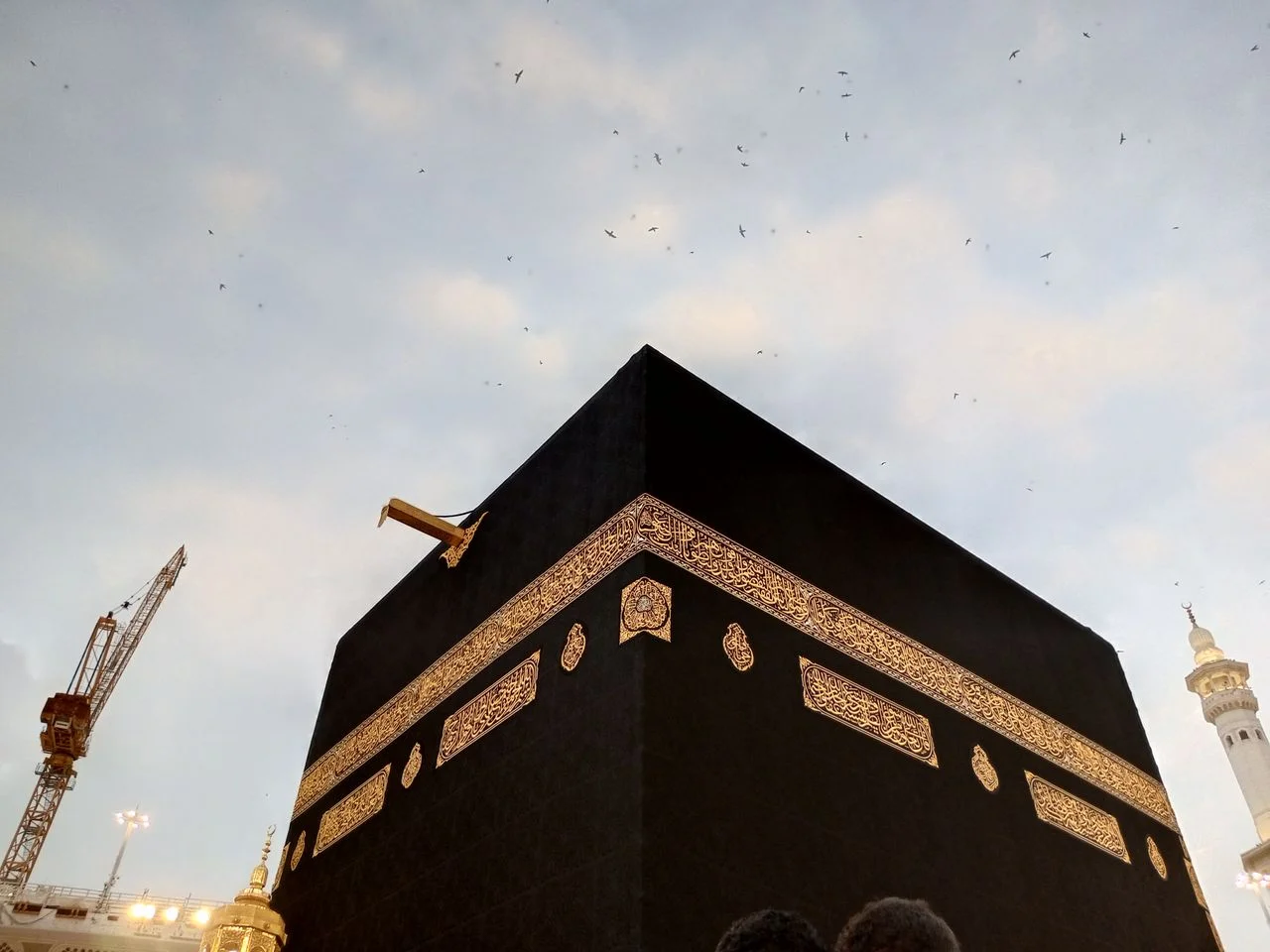
While prayer times determine when to pray, the Qibla determines the direction of prayer, which is toward the Kaaba in Makkah. Correct orientation is considered an essential condition of a valid Salah. Modern technology, including GPS-based compass applications, has made it significantly easier for Muslims living far from Makkah to determine accurate Qibla direction, eliminating much of the historical reliance on manual astronomical calculation.
Also Read: Qasr Prayer for Travelers: Everything Muslims Need to Know
The Role of the Adhan
The Adhan, or call to prayer, is announced at the start of each prayer time from mosques around the world. Historically, a muezzin would climb a minaret and call the Adhan audibly to notify the community. Today, many mosques use speaker systems, and Muslims can also rely on mobile applications that notify them the moment a prayer time begins based on their exact location.
The Adhan itself contains specific phrases affirming the greatness of Allah, the testimony of faith, and an invitation to prayer and success. Its consistent structure across the Muslim world reinforces a shared spiritual identity regardless of language or region.
Seasonal and Geographic Variations
Because prayer times are tied to the sun’s position, they shift throughout the year. In regions closer to the equator, the variation between summer and winter prayer times is minimal. However, in higher latitude regions such as northern Europe or parts of Canada, the difference can be dramatic, with Fajr and Isha sometimes only a short window apart during summer months, or Maghrib arriving extremely late in the evening.
To address this challenge, scholars have developed adjusted calculation methods for high-latitude regions, ensuring that Muslims in these areas can still maintain a reasonable and practical prayer schedule rather than facing prayer windows that overlap or nearly disappear.
Prayer Times and Modern Technology
The rise of smartphone applications and websites dedicated to Islamic prayer times has transformed how Muslims track their daily worship. These tools typically combine GPS location data with a chosen calculation method to generate accurate daily schedules. Many applications also include:
- Adhan audio notifications
- Qibla compass integration
- Monthly prayer time calendars
- Reminders for Sunnah and Nawafil prayers
This shift toward digital accessibility has made it easier than ever for Muslims traveling or living in non-Muslim-majority countries to maintain consistency in their five daily prayers.
Common Mistakes to Avoid Regarding Prayer Times
Many Muslims unintentionally make errors when tracking prayer times, including:
- Relying on outdated printed schedules that do not account for seasonal shifts
- Ignoring daylight saving time adjustments
- Using a calculation method inconsistent with local mosque practice
- Delaying prayer unnecessarily past its recommended window
Being mindful of these issues helps ensure that prayers are performed within their proper time, which is considered a condition for validity in Islamic jurisprudence.
Conclusion
Prayer times in Islam are far more than a scheduling tool. They represent a structured spiritual discipline rooted in the Quran and Sunnah, connecting Muslims worldwide to a shared rhythm of worship regardless of geography or culture. From the quiet stillness of Fajr to the reflective close of Isha, each prayer window offers an opportunity for connection, mindfulness, and submission to a higher purpose. As technology continues to simplify the process of tracking accurate prayer times, the core spiritual essence of Salah remains unchanged, a timeless practice anchoring the daily life of over a billion believers around the world.
FAQS
What are the five times a day that Muslims pray?
Muslims pray five daily prayers: Fajr (dawn), Dhuhr (midday), Asr (afternoon), Maghrib (sunset), and Isha (night).
What are the 5 prayer hours?
The five prayer hours are dawn, midday, afternoon, sunset, and night, each with its own designated prayer time.
What are the three forbidden times to pray?
The three prohibited times for voluntary prayers are at sunrise, when the sun is at its highest point (solar noon), and during sunset.
Do Muslims pray at 3 PM?
Yes. If 3 PM falls within the Asr prayer time, Muslims perform the Asr prayer then.
If you wish to learn the Quran online or enroll in one of our Quran courses, click below and start your learning journey today.
Explore Our Courses →
