The Arabic Alphabet Made Easy, Learn All 28 Letters Fast
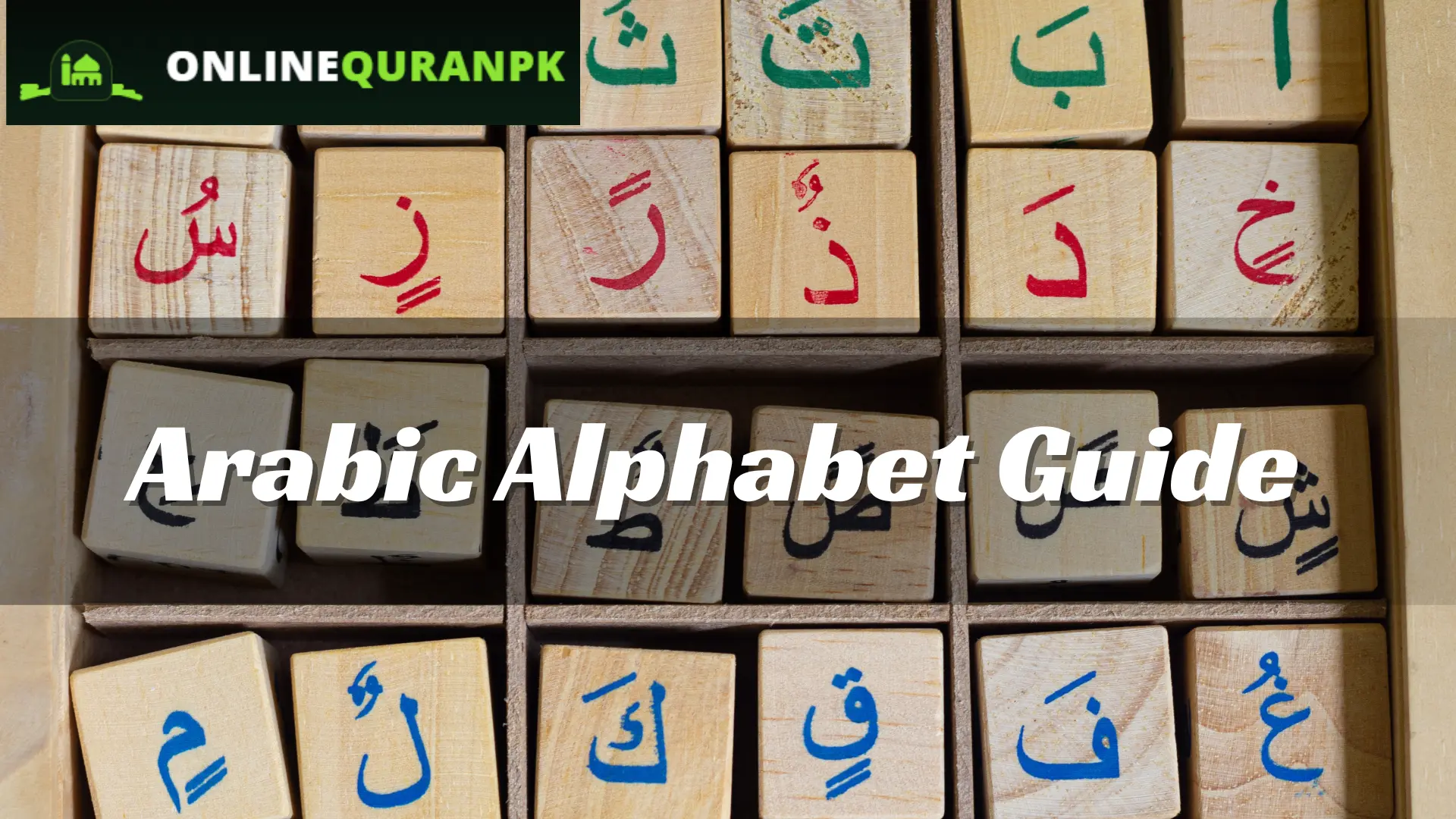
The Arabic Alphabet: A Complete Guide for Beginners and Learners
The Arabic alphabet is one of the oldest and most widely used writing systems in the world today. It forms the backbone of the Arabic language, spoken by over 400 million people across the Middle East, North Africa, and beyond. Beyond its role in everyday communication, the Arabic alphabet holds deep religious, cultural, and historical significance, especially since it is the script used to write the Quran. Whether you are a language learner, a student of Islamic studies, or simply curious about world scripts, understanding the Arabic alphabet opens the door to a rich linguistic tradition.
In this guide, we will explore the origins of the Arabic alphabet, its structure, pronunciation, writing style, and why learning it matters. By the end, you will have a solid foundation to begin reading and writing in Arabic.
What Is the Arabic Alphabet?
The Arabic alphabet consists of 28 letters, all of which represent consonant sounds. Unlike the Latin alphabet used in English, Arabic is written and read from right to left. This script is used not only for Arabic but also for several other languages, including Persian, Urdu, Pashto, and Malay in certain contexts, though these languages often add extra letters to accommodate unique sounds.
Each Arabic letter can change its shape depending on its position in a word, whether it appears at the beginning, middle, or end, or stands alone. This connected, cursive nature makes Arabic calligraphy a distinct and celebrated art form.
The History and Origins of the Arabic Alphabet
The roots of the Arabic alphabet trace back to the Nabataean script, which itself evolved from the Aramaic alphabet. Over centuries, this script developed into the Arabic form we recognize today. Historical evidence suggests that Arabic writing became more standardized around the 4th and 5th centuries CE, well before the rise of Islam in the 7th century.
The revelation of the Quran played a pivotal role in solidifying and spreading the Arabic script. As Islam expanded across regions, so did the Arabic language and its alphabet, influencing scripts and vocabularies of many other languages, including Persian, Turkish (before the Latin script reform), Urdu, and Swahili.
Today, the Arabic alphabet remains a symbol of cultural identity and religious devotion for millions of people, particularly within the Muslim world.
The 28 Letters of the Arabic Alphabet
Here is a breakdown of the Arabic alphabet, listed with their names and approximate sounds:
- Alif (ا) – a glottal stop or long “a” sound
- Ba (ب) – “b” sound
- Ta (ت) – “t” sound
- Tha (ث) – “th” as in “think”
- Jeem (ج) – “j” sound
- Ha (ح) – a breathy “h”
- Kha (خ) – guttural “kh” sound
- Dal (د) – “d” sound
- Dhal (ذ) – “th” as in “this”
- Ra (ر) – rolled “r”
- Zay (ز) – “z” sound
- Seen (س) – “s” sound
- Sheen (ش) – “sh” sound
- Sad (ص) – emphatic “s”
- Dad (ض) – emphatic “d”
- Ta (ط) – emphatic “t”
- Za (ظ) – emphatic “z”
- Ayn (ع) – a deep throat sound with no English equivalent
- Ghayn (غ) – guttural “gh” sound
- Fa (ف) – “f” sound
- Qaf (ق) – deep “q” sound
- Kaf (ك) – “k” sound
- Lam (ل) – “l” sound
- Meem (م) – “m” sound
- Noon (ن) – “n” sound
- Ha (ه) – soft “h”
- Waw (و) – “w” sound or long “u”
- Ya (ي) – “y” sound or long “i”
Each letter has up to four different forms depending on its position in a word: isolated, initial, medial, and final. This is one of the unique features that makes learning the Arabic alphabet both challenging and fascinating for beginners.
Understanding Arabic Diacritics (Harakat)
Arabic script typically does not include short vowels in everyday writing. Instead, native speakers rely on context to read words correctly. However, for learners, religious texts, and children’s books, diacritical marks called harakat are used to indicate short vowel sounds.
The three main harakat are:
- Fatha (a short “a” sound), written as a small diagonal line above a letter
- Kasra (a short “i” sound), written as a small diagonal line below a letter
- Damma (a short “u” sound), written as a small curl above a letter
There is also the sukun, which indicates the absence of a vowel, and the shadda, which indicates a doubled consonant. Mastering these marks is essential for accurate pronunciation, especially for those learning to recite the Quran.
Also Read: Islamic Baby Girl Names with Meanings: Timeless, Beautiful & Blessed Choices
Why Learning the Arabic Alphabet Matters
There are several reasons why people choose to learn the Arabic alphabet:
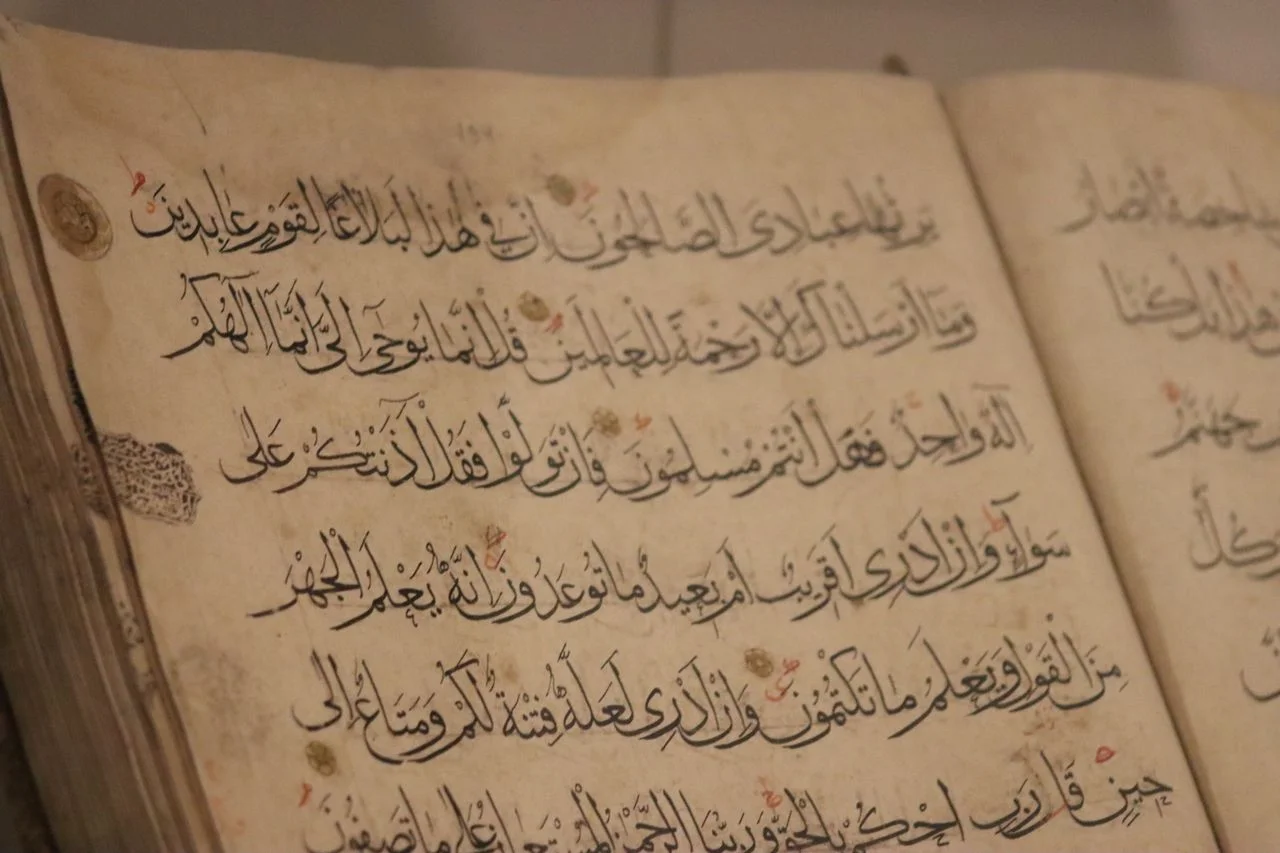
Religious Purposes: For Muslims, learning the Arabic alphabet is often the first step toward reading the Quran in its original language, which is considered essential for proper recitation and understanding.
Cultural and Historical Interest: Arabic has influenced countless other languages and civilizations. Understanding its script offers insight into centuries of literature, poetry, and philosophy.
Practical Communication: With Arabic being an official language in over 20 countries, knowing the alphabet is the first step toward functional communication in the Arab world.
Career Opportunities: Proficiency in Arabic can open doors in diplomacy, translation, journalism, business, and international relations, particularly in sectors connected to the Middle East and North Africa.
Tips for Learning the Arabic Alphabet Effectively
- Start with letter shapes: Focus on recognizing each letter in its isolated form before moving to connected forms.
- Practice writing daily: Since Arabic is cursive, muscle memory plays a big role in mastering the script.
- Use flashcards: Visual repetition helps reinforce letter recognition and sounds.
- Listen to native pronunciation: Many Arabic letters have sounds that do not exist in English, so listening to native speakers is crucial.
- Learn harakat early: Understanding vowel marks will make reading much easier in the beginning stages.
- Read children’s books first: These often include full diacritics, making them ideal for beginners.
Arabic Alphabet and Calligraphy
One of the most beautiful aspects of the Arabic alphabet is its use in calligraphy. Arabic calligraphy, known as khatt, has been used for centuries to decorate mosques, manuscripts, and artwork. Different styles, such as Kufic, Naskh, and Thuluth, showcase the flexibility and elegance of the script. This artistic tradition continues to thrive today, both in traditional settings and modern graphic design.
Common Challenges for Beginners
Many new learners face similar hurdles when starting with the Arabic alphabet:
- Difficulty distinguishing between similar-looking letters
- Struggling with sounds that do not exist in their native language
- Adjusting to right-to-left reading and writing
- Understanding when and how letters connect within words
With consistent practice, these challenges become easier to overcome. Many learners find that after a few weeks of dedicated study, letter recognition becomes second nature.
Final Thoughts
The Arabic alphabet is far more than a set of letters. It is a gateway to a rich linguistic heritage, a tool for religious devotion, and a bridge to understanding one of the world’s most historically significant civilizations. Whether your goal is to read the Quran, connect with Arabic-speaking communities, or simply explore a new writing system, mastering the Arabic alphabet is a rewarding and achievable goal.
With patience, consistent practice, and the right resources, anyone can learn to read and write in Arabic script. The journey begins with just 28 letters, but it opens the door to centuries of history, culture, and meaning.
FAQs
1. How many letters are in the Arabic alphabet?
The Arabic alphabet has 28 letters, all representing consonant sounds.
2. Is Arabic written from left to right or right to left?
Arabic is written and read from right to left, unlike English and many other Western languages.
3. Do Arabic letters change shape?
Yes, most Arabic letters have up to four forms depending on whether they appear at the beginning, middle, or end of a word, or stand alone.
4. What are harakat in Arabic?
Harakat are diacritical marks used to indicate short vowel sounds, since the Arabic alphabet itself does not include vowels in standard writing.
5. How long does it take to learn the Arabic alphabet?
With regular practice, most learners can recognize and write all Arabic letters within a few weeks, though fluency in reading takes longer.
6. Why is the Arabic alphabet important for Muslims?
The Arabic alphabet is essential for reading the Quran in its original language, which many Muslims consider necessary for accurate recitation and understanding.
If you wish to learn the Quran online or enroll in one of our Quran courses, click below and start your learning journey today.
Explore Our Courses →
