Helping Others in Islam: Why Serving Humanity Is a Path to Paradise
Helping Others in Islam
Have You Ever Wondered Why a Small Act of Kindness Feels So Powerful?
There is a moment many people recognize. You help a stranger carry groceries, or you quietly pay for someone’s meal, and something inside you shifts.
In Islam, this feeling is not accidental. Helping others in Islam is woven into the very fabric of faith, and it is treated as a form of worship equal in weight to prayer and charity.
This article explores what Islam teaches about helping others, the evidence from the Quran and Sunnah, and practical ways Muslims can turn this teaching into daily action.
The Foundation: Why Helping Others in Islam Matters So Much
Islam is not only a set of rituals performed between a person and God. It is a complete way of life that connects worship with social responsibility.
Helping others in Islam is considered a reflection of true faith. The Prophet Muhammad (peace be upon him) made it clear that a person’s relationship with Allah is measured, in part, by how they treat other people.
A well known hadith states that none of the believers truly believes until they love for their neighbor what they love for themselves. This single statement reshapes how a Muslim is expected to view every relationship, from family to strangers.
The Quranic Command to Help Others
The Quran repeatedly links faith with action toward others. Several verses make this connection explicit:
- Surah Al-Baqarah (2:177) describes true righteousness as giving wealth, despite loving it, to relatives, orphans, the needy, travelers, and those who ask for help.
- Surah Al-Maidah (5:2) commands believers to cooperate in righteousness and piety, not in sin and transgression.
- Surah An-Nisa (4:36) instructs kindness toward parents, relatives, orphans, the needy, neighbors, and travelers.
These verses show that helping others is not an optional extra in Islam. It is part of the definition of righteousness itself.
Categories of People Islam Emphasizes Helping
Islamic teachings are specific about who deserves attention and care. This specificity removes ambiguity and gives Muslims a clear roadmap.
1. Parents and Family
Caring for parents, especially in old age, is repeatedly emphasized in the Quran. Kindness to family members extends to relatives who may be distant or estranged.
2. Orphans
The Quran and Hadith give special weight to the treatment of orphans. The Prophet Muhammad (peace be upon him) said that he and the caretaker of an orphan would be like two fingers next to each other in Paradise.
3. The Poor and Needy
Feeding the hungry and supporting the poor is described as a defining trait of the righteous. Surah Al-Insan (76:8) praises those who give food to the needy, the orphan, and the captive, out of love for Allah.
4. Neighbors
Islam places significant emphasis on neighborly rights, regardless of the neighbor’s religion or background. The Prophet Muhammad (peace be upon him) said that Angel Jibreel kept advising him about being kind to neighbors, until he thought neighbors might be included in inheritance rights.
5. Travelers and Guests
Hospitality toward travelers and guests is a long standing value in Islamic tradition, rooted in both Quranic instruction and the example of the Prophet Muhammad (peace be upon him).
6. Widows and the Vulnerable
The Prophet Muhammad (peace be upon him) compared the one who strives on behalf of a widow or the poor to a warrior in the path of Allah, or to one who fasts by day and prays by night without rest.
Also Read: Dua for Rizq: The Complete Guide to Seeking Sustenance Through Prayer
The Spiritual Rewards of Helping Others in Islam
Islamic teaching does not present helping others as a purely social good. It is directly tied to spiritual reward and closeness to Allah.
Key rewards mentioned in Hadith include:
- Removing a person’s worldly hardship leads Allah to remove one of that person’s hardships on the Day of Judgment.
- Easing difficulty for someone in debt or distress leads Allah to ease difficulty for the helper in this life and the next.
- Concealing the faults of others leads Allah to conceal that person’s faults.
- Allah continues to help a servant as long as that servant helps others.
This principle appears in a well known hadith from Sahih Muslim, where the Prophet Muhammad (peace be upon him) explains that Allah is in the aid of His servant as long as the servant is in the aid of his brother.
Sadaqah: Charity as an Everyday Act
Many people assume charity in Islam only means giving money. In reality, the concept of sadaqah is much broader.
The Prophet Muhammad (peace be upon him) taught that every good deed is a form of charity. This includes:
- A smile given to another person
- Removing a harmful object from a path
- Guiding someone who is lost
- Speaking a kind word
- Settling a dispute between two people
This teaching matters because it makes helping others accessible to everyone, regardless of financial situation.
Helping Others in Islam Through Zakat and Financial Support
Zakat, one of the five pillars of Islam, formalizes the obligation to help others financially. It requires eligible Muslims to give a fixed portion of their wealth to specific categories of recipients, including the poor, the needy, and those in debt.
Unlike voluntary charity, zakat is a structured system meant to reduce inequality and support the most vulnerable members of society. This shows that helping others in Islam is not left to personal mood or convenience. It is built into the economic structure of the faith.
Beyond zakat, Muslims are also encouraged to give sadaqah voluntarily, especially during difficult times or during blessed periods such as Ramadan.
Practical Ways to Help Others Every Day
Helping others does not always require large gestures. Islam encourages consistency over grandeur.
Simple daily actions include:
- Checking on elderly neighbors or relatives
- Offering a ride to someone without transportation
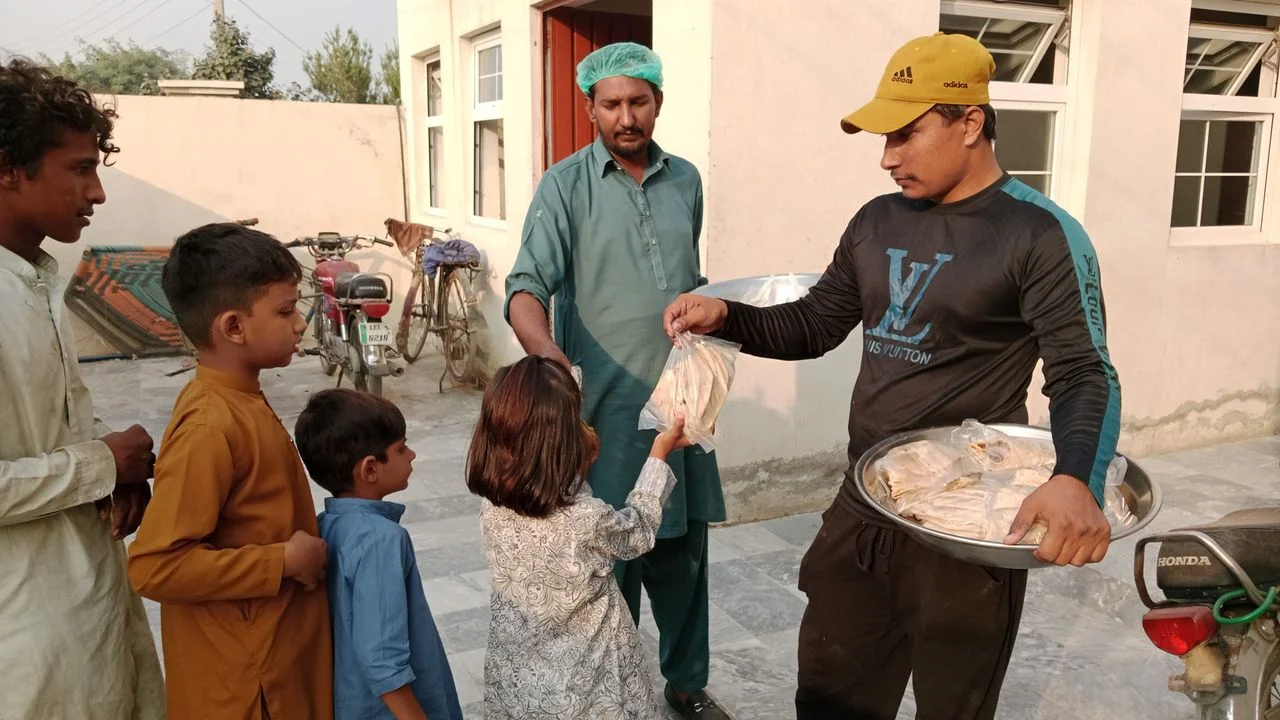
- Sharing food with those who may be struggling
- Listening patiently to someone going through a hard time
- Volunteering time for community needs
- Speaking up for someone being treated unfairly
Longer term commitments might include:
- Supporting orphans through sponsorship
- Contributing regularly to community welfare funds
- Mentoring young people who lack guidance
- Assisting new immigrants or refugees in adjusting to a new environment
A practical observation worth noting is that small, repeated acts often build stronger habits of generosity than occasional large donations. Consistency reflects sincerity.
The Prophet’s Example of Helping Others
The life of the Prophet Muhammad (peace be upon him) offers the clearest model for how helping others should look in practice.
He was known to visit the sick, regardless of their faith. He mended his own clothes and helped with household chores. He gave preference to the needs of others even when his own resources were limited.
His companions often described him as the most generous of people, especially during times when the community needed support. This example shows that helping others in Islam is not theoretical. It is meant to be lived, visibly and consistently.
Common Misunderstandings About Helping Others in Islam
Some people assume Islamic charity and support are limited to fellow Muslims. This is inaccurate.
The Quran and Hadith show that kindness and support extend to non-Muslims as well, including neighbors, travelers, and those in need regardless of religion. Justice and compassion in Islam are not restricted by religious identity.
Another misunderstanding is that helping others is only about money. As shown earlier, the Prophet Muhammad (peace be upon him) described numerous non-financial acts as charity, making generosity accessible to people from all walks of life.
Why This Teaching Still Matters Today
In a world where communities can feel increasingly disconnected, the Islamic emphasis on helping others offers a grounded, actionable framework. It moves compassion from a vague ideal into specific, doable actions.
Helping others in Islam is not framed as charity done from a position of superiority. It is framed as a shared human responsibility, rooted in gratitude to Allah and recognition that wealth, health, and ability are trusts, not permanent possessions.
Key Takeaways
- Helping others in Islam is considered an essential part of faith, not a separate moral add-on.
- The Quran and Hadith give specific instructions about caring for parents, orphans, neighbors, the poor, and travelers.
- Charity in Islam includes both financial giving, such as zakat, and simple acts like kindness, patience, and guidance.
- The Prophet Muhammad (peace be upon him) modeled consistent, personal involvement in helping others.
- Support and compassion in Islam extend beyond religious boundaries.
Conclusion
Helping others in Islam is not a peripheral value. It sits at the center of what it means to live a faithful, meaningful life. From the Quran’s clear commands to the Prophet’s daily example, the message is consistent: faith is measured, in part, by how we treat the people around us.
Whether through a kind word, a shared meal, or structured giving through zakat, every act of help carries weight, both in this world and the next.
Sources and Official References
- The Quran, Surah Al-Baqarah 2:177: https://quran.com/2/177
- The Quran, Surah Al-Maidah 5:2: https://quran.com/5/2
- The Quran, Surah An-Nisa 4:36: https://quran.com/4/36
- The Quran, Surah Al-Insan 76:8: https://quran.com/76/8
- Sahih al-Bukhari: https://sunnah.com/bukhari
- Sahih Muslim: https://sunnah.com/muslim
- Sunan Abi Dawud: https://sunnah.com/abudawud
FAQs
1. Why is helping others so important in Islam?
Helping others in Islam reflects true faith and is directly tied to spiritual reward, as taught in the Quran and Hadith.
2. Does Islam require helping only Muslims?
No, Islamic teachings encourage kindness and support toward all people, including neighbors and travelers of any faith.
3. What is considered charity in Islam?
Charity includes zakat and sadaqah, along with simple acts like kindness, honesty, and removing harm from someone’s path.
4. What does the Quran say about helping the needy?
The Quran describes giving to the needy, orphans, and travelers as a core sign of true righteousness in Surah Al-Baqarah 2:177.
5. How did the Prophet Muhammad demonstrate helping others?
The Prophet Muhammad (peace be upon him) visited the sick, supported the poor, and was known as the most generous person among his companions.
If you wish to learn the Quran online or enroll in one of our Quran courses, click below and start your learning journey today.
Explore Our Courses →
