Quran Recitation Classes: How to Choose, What to Expect, and How to Truly Improve
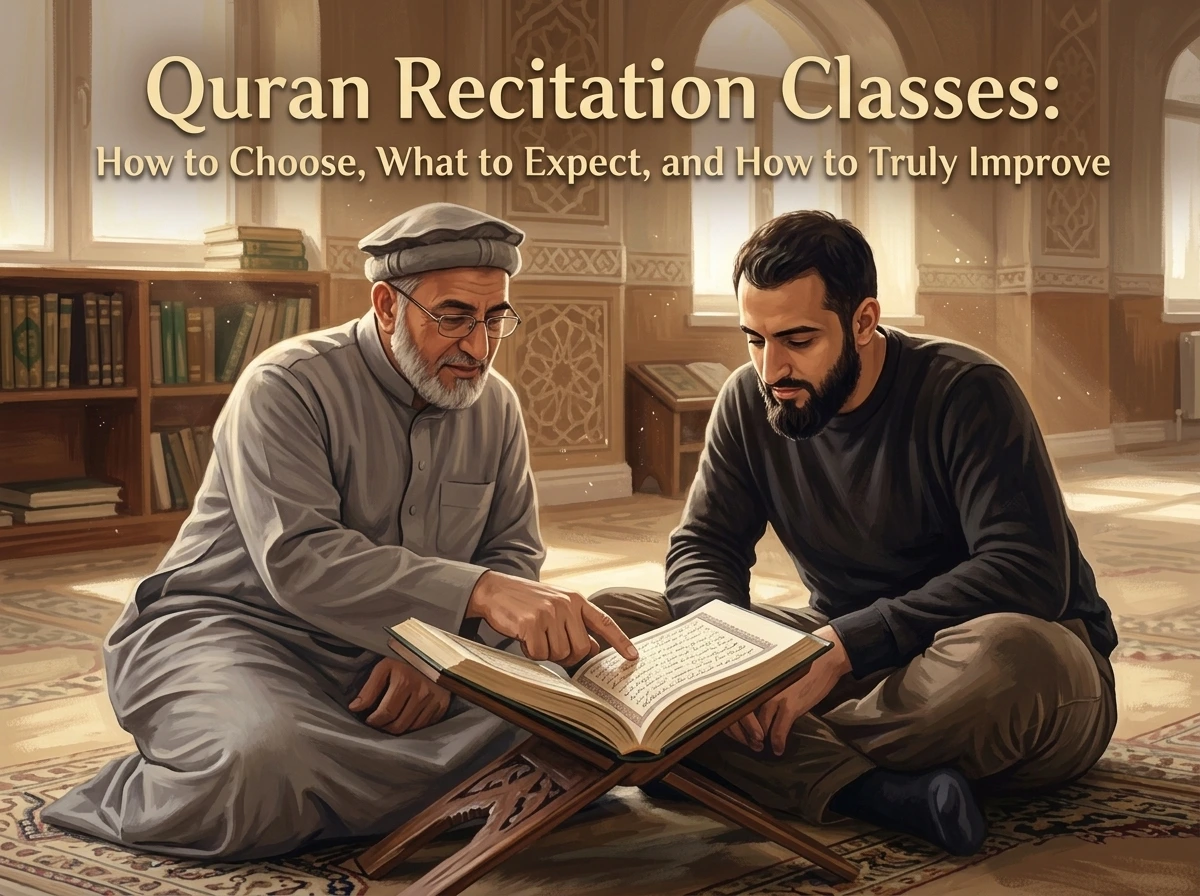
Quran Recitation Classes
Why Does Your Recitation Still Feel Stuck Even After Years of Reading?
Many Muslims have been reading the Quran since childhood. They finish it several times, yet they still stumble on certain letters, hesitate at long verses, or feel unsure whether they are reading correctly.
If that sounds familiar, you are not alone. Quran recitation classes exist for exactly this reason. They turn casual reading into confident, correct, and heartfelt recitation.
Introduction
The Quran is the speech of Allah, and it was revealed to be recited, heard, and reflected upon. Allah instructs in Surah Al-Muzzammil (73:4) to recite the Quran in a slow, measured, and clear manner. This single instruction shapes why Quran recitation classes are valued across the Muslim world.
Reading the Arabic script is only the first step. Recitation involves correct pronunciation, proper pauses, smooth flow, and an attentive heart. Most people cannot refine all of this alone, because we cannot hear our own mistakes the way a trained listener can.
This guide explains what Quran recitation classes are, what they cover, how they are structured, how to choose one, and how to get real results from them. Every section is practical, so you can decide your next step with clarity.
What Are Quran Recitation Classes?
Quran recitation classes are structured lessons where a person learns to read the Quran correctly, fluently, and beautifully under the guidance of a qualified teacher. The focus is on the act of recitation itself: how each letter sounds, how words connect, and how verses are paced.
Unlike general Islamic studies, these classes are centered on the spoken Quran. A teacher listens, corrects, and guides until your recitation matches the way it has been transmitted from the Prophet ﷺ through generations of reciters.
Typical goals include:
- Reading the Quran without hesitation or frequent mistakes
- Pronouncing each Arabic letter from its correct point of articulation
- Applying the rules of recitation naturally while reading
- Building the stamina to recite longer portions with confidence
- Improving the quality of your prayer recitation
Why Quran Recitation Classes Matter
The Quran Was Taught Through Listening
The Quran has always been transmitted through direct hearing and repetition. The Prophet ﷺ received it from Jibril (peace be upon him), and the companions learned it by reciting in front of him. This chain of oral teaching is a defining feature of the Quran’s preservation.
A recitation class continues that tradition on a personal level. You recite, someone qualified listens, and gentle correction follows.
The Virtue Is Immense
The Prophet ﷺ said that the best among you are those who learn the Quran and teach it (Sahih al-Bukhari). He also said that whoever recites a letter from the Book of Allah earns a good deed, and each good deed is multiplied tenfold (Jami at-Tirmidhi).
There is also encouragement for those who find recitation difficult. The one who recites with difficulty, struggling through it, receives a double reward (Sahih al-Bukhari and Sahih Muslim). No one should feel too late or too slow to begin.
Mistakes Can Go Unnoticed Without a Listener
A common reality is that people repeat the same errors for decades because no one ever corrected them. Letters that sound similar get confused, vowels get shortened, and stops happen in the wrong places.
Self-study cannot fully fix this. A trained ear can identify in seconds what you may miss for years.
What Do Quran Recitation Classes Usually Cover?
A good program builds skills in a logical order. While every teacher has their own approach, most quality classes include the following areas.
1. Arabic Letters and Their Sounds
Many recitation errors begin with letters. Arabic has sounds that do not exist in many other languages, such as the deep letters (ع, ح, خ, غ, ق) and the heavy and light variations of certain letters.
Classes train you to identify where each sound originates in the throat, tongue, or lips. Small differences in articulation can change how a word sounds.
2. Short Vowels, Long Vowels, and Stretching
Correct recitation depends on the length of sounds. Some vowels are naturally short, while others are held for a specific number of counts.
A teacher helps you feel these lengths so they become automatic. This is where reading begins to sound smooth rather than choppy.
3. Rules of Recitation in Practice
Recitation classes teach the rules that govern how letters interact. These include how certain letters merge, how nasal sounds are produced, and how sounds are held or released.
In a well-run class, rules are taught through the actual verses you recite, not as dry theory. You learn the rule, hear it, and immediately apply it.
4. Stopping and Starting Correctly
Knowing where to pause is just as important as how to pronounce. A wrong stop can break the flow of meaning or create confusion.
Classes teach the common stopping signs found in the printed Quran and how to begin again smoothly after a pause.
5. Fluency and Rhythm
Accuracy is the foundation, but fluency is the goal. Recitation classes gradually increase your pace while maintaining correctness.
The aim is not speed. The aim is a calm, steady rhythm that allows you to recite with both precision and presence.
6. Beautifying the Voice
The Prophet ﷺ encouraged beautifying the Quran with your voice. This does not require a naturally gifted tone. It means reciting with care, softness, and sincerity.
Some classes touch on melodic patterns, but the first priority is always correctness.
Also Read: Quran Translation Course Online: A Complete Guide to Understanding the Quran in Depth
Who Can Benefit From Quran Recitation Classes?
One of the best things about these classes is how broadly useful they are.
- Complete beginners who are just learning to read Arabic letters
- Adults who never learned properly and feel hesitant reading aloud
- Fluent readers who want to refine pronunciation and remove habitual mistakes
- Parents who want to recite correctly so they can guide their children
- Reverts to Islam building a strong foundation from the beginning
- Anyone preparing for a deeper study of the Quran
If you can read at any level, there is a class level that suits you. If you cannot read yet, there are starting points built for you as well.
Different Formats of Quran Recitation Classes
Understanding the available formats helps you choose what fits your life.
One-to-One Sessions
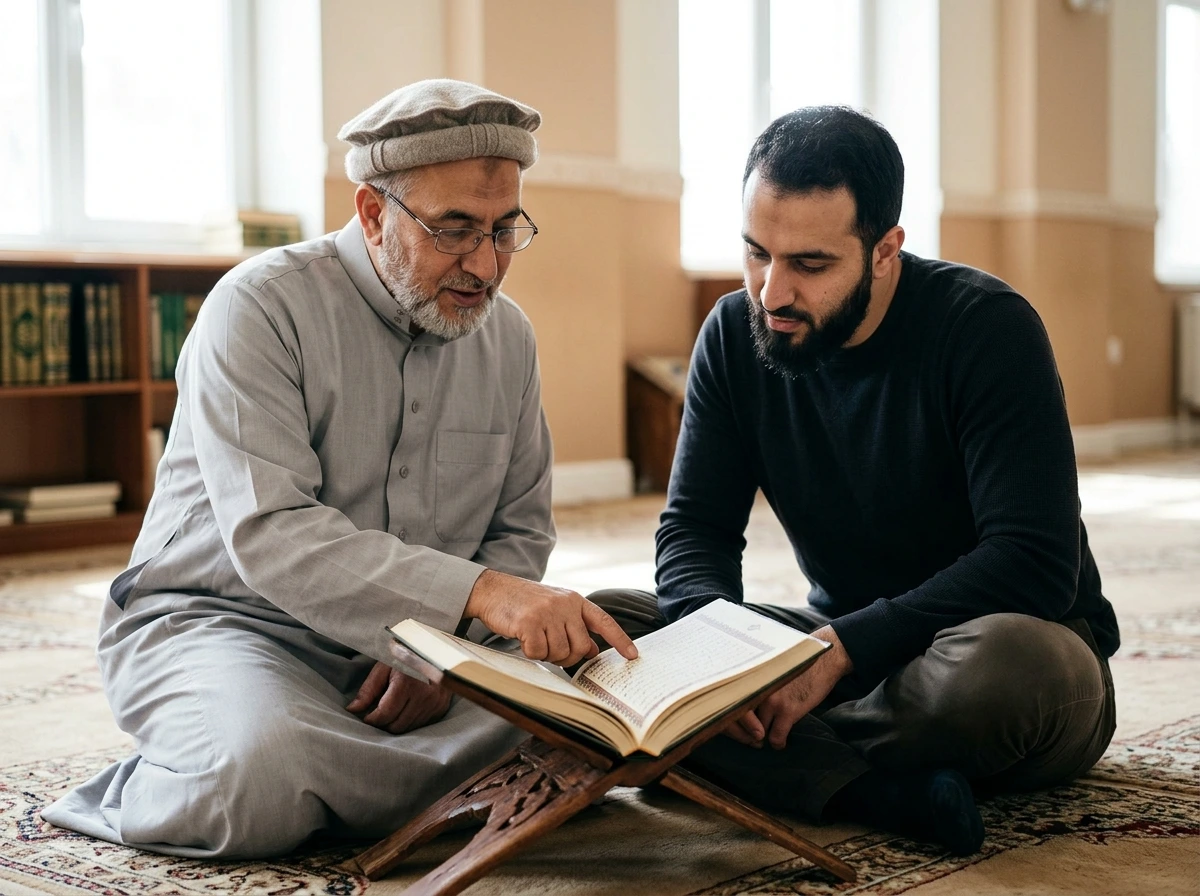
In this format, the teacher focuses entirely on you. Every mistake is noticed, and the pace matches your ability.
This is often the most effective option for correcting deep-rooted habits. It also suits people who feel shy reciting in front of others.
Small Group Classes
A small group offers shared motivation and a sense of community. You also learn by listening to others being corrected.
The trade-off is less individual time, so this format works best for people who are already comfortable reading.
Community and Mosque-Based Classes
Many local mosques and community centers run regular recitation circles. These are often affordable, and they connect you with people nearby.
Quality varies, so it is wise to attend a trial session and observe how the teacher corrects and guides.
Intensive and Short-Term Programs
Some classes run for a few weeks with daily sessions. These suit people who can commit time and want focused progress, for example before Ramadan.
How to Choose the Right Quran Recitation Class
Not every class delivers the same results. Use this checklist to evaluate your options.
Check the Teacher’s Qualifications
A strong teacher has studied recitation formally and has permission to teach, ideally with a connected chain of learning back to the Prophet ﷺ. This is known as an ijazah in the traditional sciences.
Do not hesitate to ask politely about their training. A sincere teacher will welcome the question.
Look for Structured Progress
A good class has a clear path. You should know what you are working on this week and what comes next.
Be cautious if lessons feel random or if you cannot describe what you have achieved after a month.
Observe How Correction Is Given
Correction should be gentle, specific, and repeated until you succeed. A teacher who only says “good” without refining your recitation is not helping you grow.
At the same time, harshness has no place in learning the Quran. Patience is a sign of a quality teacher.
Match the Schedule to Your Life
The best class is the one you can attend consistently. A realistic schedule beats an ambitious one you abandon after two weeks.
Short, regular sessions often produce better results than long, occasional ones.
Try Before Committing
Many programs offer a trial lesson. Use it to judge the teacher’s clarity, the pace, and whether you feel comfortable.
A good fit matters because you will be reciting the words of Allah in front of this person.
What to Expect in Your First Quran Recitation Class
Knowing what happens in the first session reduces nervousness.
Usually, the teacher will begin by listening to you recite a short portion. This is not a test. It is an assessment so that the lessons start at your actual level.
Then the teacher will point out areas to strengthen, such as certain letters or vowel lengths. You may be given a few lines to practice and return with.
Expect to be corrected often. This is not a sign of failure. It is exactly what you came for.
Common Mistakes Quran Recitation Classes Help Fix
Here are some frequent issues that classes address:
- Confusing similar letters such as س and ص, or ت and ط
- Shortening long vowels or stretching short ones
- Rushing through verses without clear pauses
- Reading heavy letters lightly and light letters heavily
- Stopping in the middle of a meaning because of breath
- Mispronouncing letters from the throat because they are unfamiliar
A teacher spots these patterns quickly. Over time, correcting them builds new habits that feel natural.
How to Get the Most Out of Your Quran Recitation Classes
Attending class is only half the work. What you do between lessons determines your progress.
Practice Daily, Even if Briefly
Ten to twenty focused minutes each day is more valuable than a long session once a week. Recitation is a skill, like a language, and it grows through repetition.
Record Yourself
Recording your recitation and listening back is a powerful habit. You will begin to hear your own mistakes, which sharpens your ear for the next lesson.
Revise What Your Teacher Corrected
Keep a simple notebook of corrections. Review it before each class so the same mistakes do not return.
Listen to Skilled Reciters
Listening to respected reciters helps you absorb rhythm, flow, and pronunciation. Choose a reciter with a clear, steady style and follow along with the text.
Be Patient With Yourself
Some letters may take weeks to master. That is normal. The Prophet ﷺ gave good news to the one who struggles but keeps trying, so keep going.
Make Sincere Intention
Begin each session with the intention of pleasing Allah. This turns practice into worship and keeps motivation alive when progress feels slow.
A Realistic Timeline for Progress
People often ask how long it takes. The honest answer depends on your starting point, consistency, and the quality of teaching.
Here is a general picture:
- Absolute beginners may spend several months learning letters and basic reading
- Hesitant readers often see noticeable improvement within a few months of consistent practice
- Fluent readers refining pronunciation may spend a year or more polishing details
These are rough guides, not promises. Consistency matters more than speed.
Practical Observations From Real Learning Settings
In many recitation circles, one pattern appears again and again. Adults who start late often feel embarrassed in the first few sessions, yet they become some of the most dedicated learners.
Another common observation is that people are surprised by how much they were mispronouncing. Once they hear the difference, they rarely want to go back to their old habits.
Finally, those who recite a small portion correctly every day usually progress faster than those who attempt large portions carelessly. Quality first, quantity later.
Key Takeaways
- Quran recitation classes teach correct, fluent, and heartfelt recitation through direct listening and correction
- The Quran was transmitted orally, so learning with a qualified teacher is deeply rooted in tradition
- A good class has a clear structure, gentle correction, and a qualified teacher
- Daily practice between lessons is essential for real improvement
- It is never too late to begin, and the reward for striving is great
Conclusion
Quran recitation classes are one of the most meaningful investments a Muslim can make. They preserve the tradition of learning the Quran through listening, they correct mistakes you may not know you have, and they deepen your connection with the words of Allah.
Choose a qualified teacher, stay consistent, practice daily, and be patient with your progress. Whether you are starting from the alphabet or refining years of reading, the path is open to you. Begin with sincerity, and let every verse you recite be a step closer to Allah.
Sources and Official References
- The Holy Quran, Surah Al-Muzzammil (73:4): https://quran.com/73/4
- Sahih al-Bukhari (the best among you are those who learn the Quran and teach it, Hadith 5027): https://sunnah.com/bukhari:5027
- Sahih al-Bukhari (the one who recites with difficulty receives a double reward, Hadith 4937): https://sunnah.com/bukhari:4937
- Sahih Muslim (the double reward for the one who struggles with recitation, Hadith 798): https://sunnah.com/muslim:798
- Jami at-Tirmidhi (a good deed for every letter recited, multiplied tenfold, Hadith 2910): https://sunnah.com/tirmidhi:2910
Frequently Asked Questions
1. What are Quran recitation classes?
Quran recitation classes are guided lessons where a qualified teacher helps you read the Quran correctly and fluently. They focus on pronunciation, vowel lengths, pauses, and smooth flow. The goal is to recite the way the Quran has been taught through generations.
2. Who should join Quran recitation classes?
Anyone who wants to improve their Quran reading can join, from complete beginners to fluent readers. Adults, parents, and new Muslims all benefit from structured correction. Even people who have read the Quran for years often find hidden mistakes.
3. How long do Quran recitation classes take to show results?
Progress depends on your starting level, practice habits, and the teaching quality. Many learners notice clear improvement within a few months of steady practice. Daily revision between lessons speeds up results significantly.
4. How do I choose the best Quran recitation class?
Look for a qualified teacher, a clear learning path, gentle but specific correction, and a schedule you can maintain. Attending a trial lesson is a smart way to confirm the fit. A patient teacher who explains clearly is a good sign.
5. Is it too late to start Quran recitation classes as an adult?
It is never too late. The Prophet ﷺ gave glad tidings of a double reward to the one who finds recitation difficult yet keeps striving. Many adults begin later in life and become confident reciters.
Disclaimer: This article is provided for educational and informational purposes only and reflects general Islamic scholarly perspectives on Surah Yaseen. It is not a substitute for guidance from a qualified Islamic scholar or certified religious authority. For matters of hadith authenticity, personal practice, or specific religious rulings, please consult a certified professional in Islamic studies.
