Best Age to Start Teaching Quran to Kids: A Complete Parent’s Guide
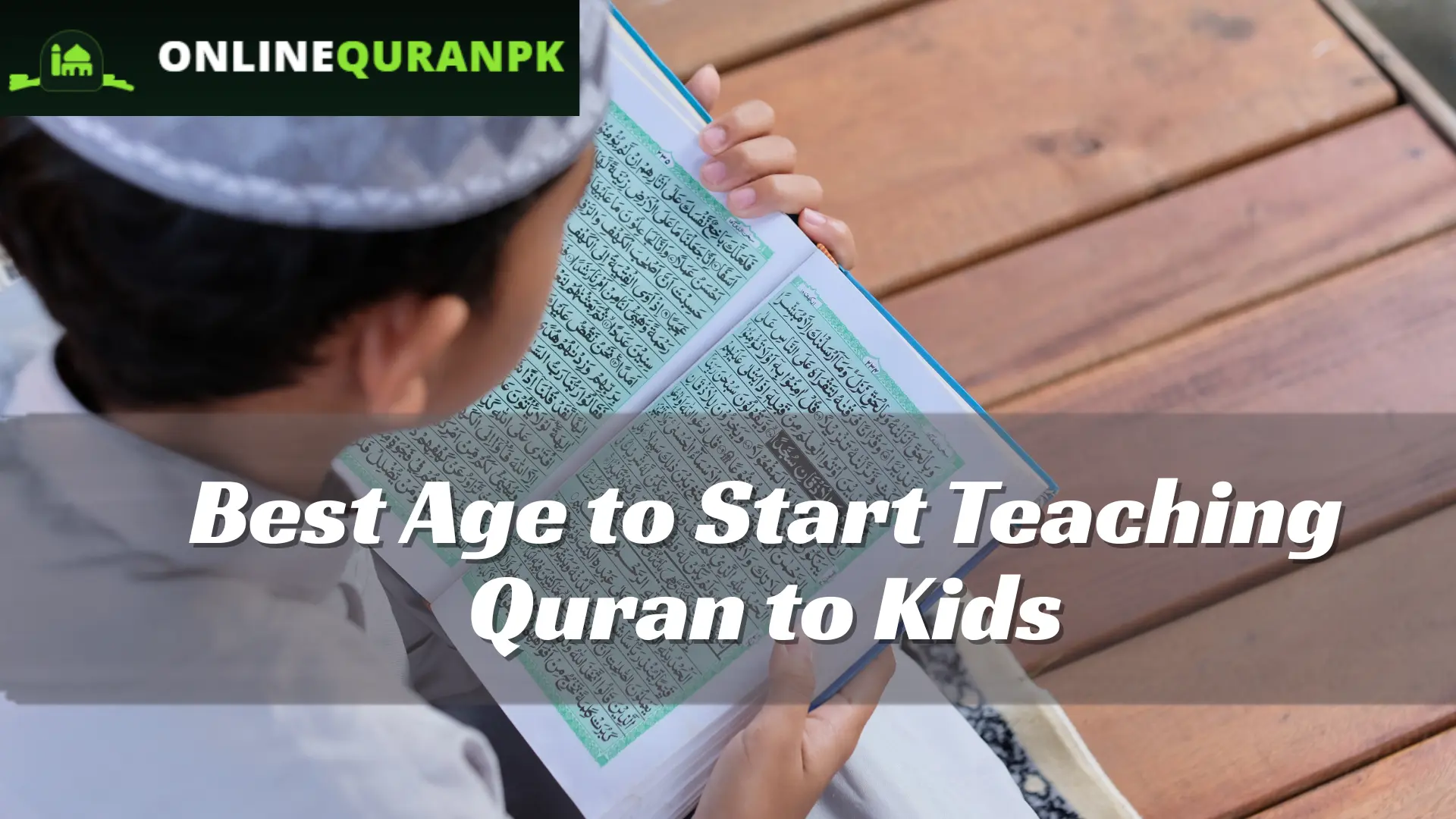
Best Age to Start Teaching Quran to Kids
Every parent wants their child to grow up with a strong connection to the Quran, but one question comes up again and again: what is the best age to start teaching Quran to kids? The answer is not a single number. It depends on the child’s mental growth, attention span, and the teaching method being used. In this guide, we will explore the ideal age brackets, the signs that show a child is ready, and practical strategies to make early Quran learning enjoyable and lasting.
Why the Right Age Matters in Quran Education
Children absorb language and rhythm naturally during their early years. This is why Islamic scholars and child development experts agree that early exposure to Quranic sounds, even before formal reading begins, plays a major role in building a lifelong bond with the Quran. Starting at the right age helps a child develop correct pronunciation, memory retention, and love for recitation without pressure or frustration.
Delaying Quran education too long can make it harder for a child to build fluency, while starting too early without proper guidance can cause boredom or resistance. Finding the right balance is the real secret behind successful Quran teaching for kids.
The Best Age to Start Teaching Quran to Kids: A Breakdown
Ages 2 to 3: Building Familiarity
At this stage, children are not ready for formal lessons, but they can begin listening to Quran recitation daily. Playing short surahs during bedtime or playtime helps a toddler become familiar with the tone and rhythm of Arabic. This passive listening builds a strong subconscious foundation for future memorization.
Ages 4 to 5: Introducing Basic Sounds
This is widely considered the ideal starting point for structured Quran learning. Children in this age group can start learning Arabic alphabets, basic Tajweed sounds, and short surahs through repetition and rhymes. Their memory is sharp, and their curiosity is high, making it easier to introduce Noorani Qaida or similar beginner-level Quran books.
Ages 6 to 8: Formal Quran Lessons Begin
By age six, most children are ready for consistent, structured Quran classes, whether at home, in a mosque, or through an online Quran academy. At this stage, kids can start reading with proper Tajweed rules, understanding basic meanings of short surahs, and building a daily recitation habit. This age group also responds well to Hifz programs if parents wish to begin memorization of the Quran.
Ages 9 to 12: Strengthening Understanding
Children in this age range can move beyond basic reading toward deeper understanding. They can start learning the meanings of verses, basic Islamic etiquettes connected to Quranic teachings, and more advanced Tajweed rules. This is also a strong age for children who are memorizing the Quran to increase their daily portions.
Signs Your Child Is Ready to Start Quran Lessons
Instead of relying only on age, parents should also watch for developmental signs, including:
- The child can sit calmly for ten to fifteen minutes
- The child shows interest in listening to recitation or Islamic stories
- The child can recognize shapes, letters, or patterns
- The child follows simple instructions without constant repetition
- The child enjoys repeating words or sounds
If most of these signs are present, even before the typical age range, a child may be ready to begin gentle, playful Quran lessons.
Also Read: Learn Quran Online with Tajweed: A Comprehensive Guide

Benefits of Starting Quran Education Early
Starting Quran teaching at the right age brings long term advantages that go beyond religious knowledge.
Stronger memorization ability: Young children have a natural talent for memorizing sounds and patterns, which makes early Hifz efforts more effective.
Better pronunciation and Tajweed: Learning Arabic sounds early helps children pronounce letters correctly, avoiding habits that are harder to correct later.
Emotional and spiritual bonding: Early exposure creates a natural love for the Quran rather than viewing it as a difficult subject.
Improved discipline and focus: Daily recitation habits teach consistency, patience, and self control from a young age.
Family bonding: Parents who teach or listen to their child’s recitation build a stronger emotional and spiritual connection with them.
How to Teach Quran to Kids at the Right Age
Use Age Appropriate Methods
Toddlers need audio and visual engagement, while older children need structured books and consistent practice schedules. Matching the method to the age keeps the child engaged rather than overwhelmed.
Keep Sessions Short and Consistent
For young children, ten to fifteen minute sessions are far more effective than long, forced lessons. Consistency matters more than duration, especially in the early years.
Make It Interactive
Using flashcards, rhymes, storytelling, and rewards keeps young learners motivated. Interactive learning reduces resistance and builds positive associations with Quran lessons.
Choose a Qualified Teacher or Academy
Whether learning at home or through an online Quran academy, a qualified teacher ensures correct Tajweed, patience with young learners, and structured progress tracking.
Involve Parents in the Process
Parents who recite along with their children, even briefly, reinforce the habit and show the child that Quran learning is a shared family value, not just a school task.
Common Mistakes Parents Should Avoid
Many parents unintentionally slow down their child’s progress by making these mistakes:
- Starting formal memorization too early without basic reading skills
- Forcing long sessions that exhaust young children
- Comparing a child’s progress with siblings or classmates
- Skipping consistency, which is more important than intensity
- Ignoring the child’s emotional readiness in favor of a fixed age target
Avoiding these mistakes helps create a smoother, more positive learning journey for the child.
Online Quran Classes and Modern Learning Options
With the rise of online Quran academies, parents now have flexible options to start Quran education at home under the guidance of certified teachers. Live one on one classes allow personalized pacing based on the child’s age and ability, making it easier to follow the ideal age recommendations discussed above. This approach is especially useful for families who do not have access to a local mosque or Islamic school with a dedicated children’s program.
Conclusion
There is no single fixed age that works for every child, but general guidance suggests introducing Quranic sounds as early as two years old, starting basic learning between four and five, and moving into structured lessons by age six. The most important factor is not rushing the process but matching the teaching method to the child’s developmental stage. With patience, consistency, and the right guidance, children can build a strong and lasting relationship with the Quran that stays with them for life.
Frequently Asked Questions
What is the best age to start teaching Quran to kids?
Most scholars and educators agree that four to six years old is the ideal age to begin structured Quran lessons, although passive listening can start as early as age two.
Can a three year old start learning Quran?
A three year old is usually not ready for formal lessons but can benefit greatly from listening to recitation daily to build familiarity with Arabic sounds.
Is it too late to start Quran lessons after age ten?
It is never too late to start. Children aged ten and above can still learn Quran effectively, often progressing faster due to improved focus and comprehension.
How long should a Quran lesson be for young children?
For children under seven, ten to fifteen minutes per session is ideal, gradually increasing as the child’s attention span improves.
Should Hifz memorization start at a young age?
Hifz can begin once a child has basic reading fluency, typically between ages six and eight, depending on individual readiness.
Are online Quran classes effective for young kids?
Yes, online Quran classes can be highly effective when taught by qualified teachers who adjust pacing and methods to suit the child’s age and learning style.
If you wish to learn the Quran online or enroll in one of our Quran courses, click below and start your learning journey today.
Explore Our Courses →
