Can We Pray After Witr? The Authentic Islamic Answer You Need
Can We Pray After Witr?
Witr is one of the most emphasized prayers in Islam, and many Muslims often ask, “Can we pray after Witr?” This question arises because of a well known hadith in which the Prophet Muhammad (peace be upon him) instructed the believers to make Witr the last prayer of the night. At the same time, there are authentic narrations showing that the Prophet himself sometimes prayed voluntary prayers after Witr. This apparent contradiction has led to detailed discussions among the scholars of Islamic jurisprudence, and understanding their reasoning helps clarify the correct practice for every Muslim.
In this article, we will explain the ruling on praying after Witr, the relevant hadiths, the opinions of the four major schools of thought, and practical guidance for those who wake up for Tahajjud after already praying Witr.
Understanding the Significance of Witr Prayer
Witr is an odd numbered prayer, usually consisting of one, three, five, seven, or nine rakats, performed after Isha and before Fajr. It holds a special status in Islamic worship because the Prophet Muhammad (peace be upon him) never left it, whether he was traveling or at home. Many scholars consider Witr to be Wajib (obligatory) according to the Hanafi school, while the majority of other scholars, including the Shafii, Maliki, and Hanbali schools, regard it as a highly emphasized Sunnah (Sunnah Muakkadah).
Because of its importance, the timing and sequence of Witr in relation to other night prayers, especially Tahajjud and Nafl prayers, becomes a significant point of discussion when we ask whether prayer after Witr is permissible.
The Hadith About Making Witr the Last Prayer of the Night
The core of this discussion comes from a hadith narrated by Abdullah ibn Umar, in which the Prophet Muhammad (peace be upon him) said that the last prayer at night should be Witr. This hadith is recorded in Sahih Bukhari and Sahih Muslim, and it forms the primary basis for scholars who say that once Witr is prayed, no further Nafl prayers should follow it.
This instruction was meant to encourage Muslims who were unsure whether they would wake up later in the night to secure their Witr prayer early, rather than risk missing it entirely. However, this same hadith opens the door to another important discussion, because other authentic reports show the Prophet doing something different in practice.
Also Read: Prayer Times in Islam: The Complete Guide to the 5 Daily Prayers
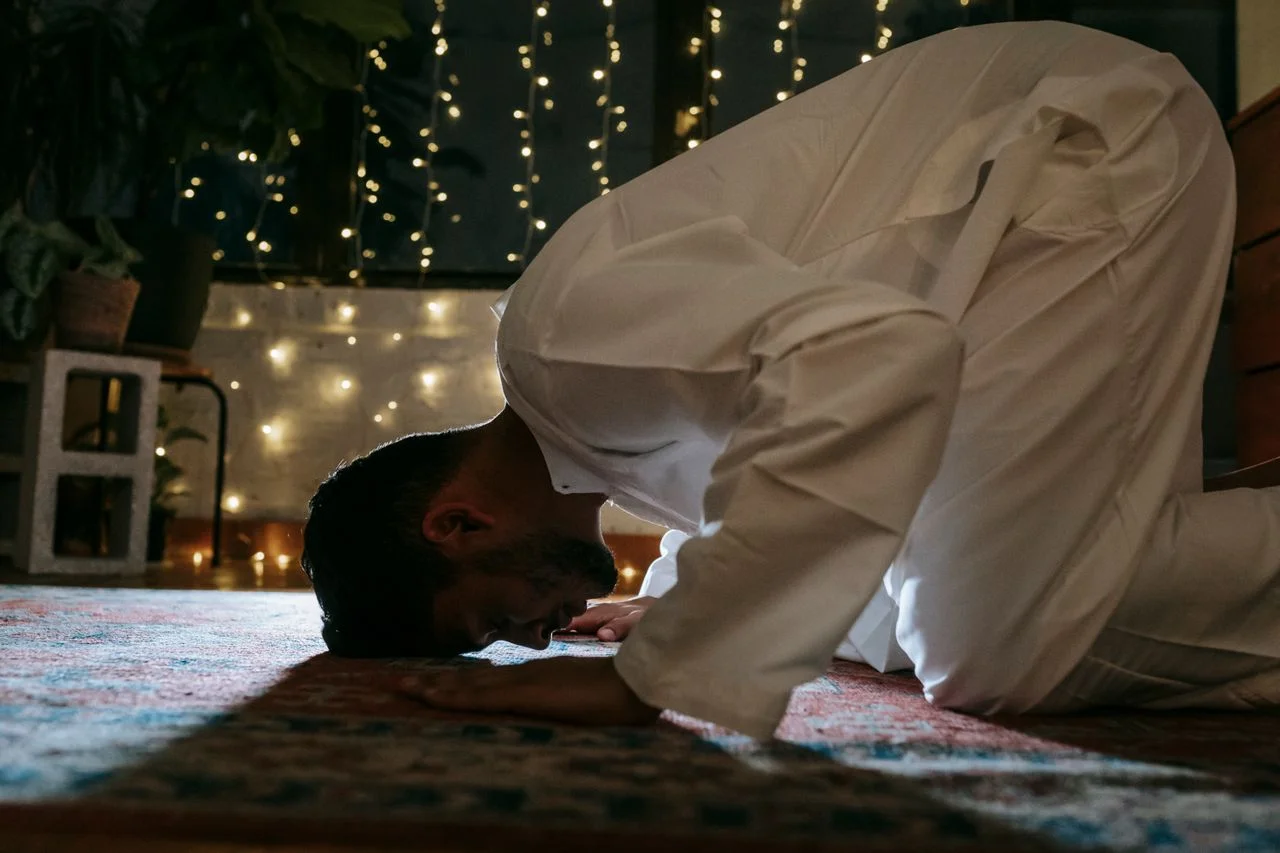
Did the Prophet Pray After Witr?
Several hadiths indicate that the Prophet Muhammad (peace be upon him) did, in fact, perform light voluntary prayers after Witr. Aisha (may Allah be pleased with her) reported that the Prophet would sometimes pray two short rakats while sitting after completing his Witr prayer. This narration is found in the collections of Sunan Abu Dawood and Sunan Tirmidhi, and it shows that praying Nafl after Witr is not strictly forbidden.
This creates the central tension that scholars have worked to resolve: one hadith says Witr should be the last prayer of the night, while another shows the Prophet praying afterward. Understanding how scholars reconcile these two narrations is key to answering the question, can we pray after Witr.
Scholarly Opinions on Praying After Witr
Hanafi School
According to the Hanafi madhab, Witr should ideally be prayed after Isha and before going to sleep, and once prayed, it is not repeated even if a person wakes up later for Tahajjud. Hanafi scholars generally hold that a person can still offer voluntary Nafl prayers after Witr if they wake up during the night, but Witr itself is not to be repeated, since Witr already stands as the closing prayer of the night in a structural sense.
Shafii School
The Shafii scholars permit praying Nafl prayers after Witr without any restriction. They rely on the hadith of Aisha that describes the Prophet praying light rakats after his Witr. In this view, the phrase “make Witr the last of your prayer” is understood as a recommendation for those unsure of waking up later, not as an absolute prohibition on praying afterward.
Maliki School
Imam Malik’s school generally encourages Witr to remain the final prayer of the night as a matter of preference, following the apparent meaning of the hadith. However, they do not consider praying additional Nafl afterward to be sinful, especially for someone who wakes up unexpectedly for Tahajjud.
Hanbali School
The Hanbali scholars take a similar approach to the Shafii school. They allow voluntary prayer after Witr, citing the same hadith from Aisha as clear proof that the Prophet himself did so. They also note that this action shows flexibility rather than contradiction, since the earlier hadith was guidance and not a strict legal restriction.
So, Can We Pray After Witr?
Combining these scholarly opinions, the general and most widely accepted answer is yes, we can pray after Witr. If a person prays Witr early in the night and later wakes up for Tahajjud, they are allowed to offer Nafl prayers. The scholarly consensus leans toward permissibility, with only a difference in preference regarding whether Witr should ideally be delayed until the very end of one’s night worship.
The stronger and more practical guidance, especially for those who are not confident about waking up later, is to follow the original hadith and pray Witr as the last prayer before sleeping. But for those who regularly wake up for Tahajjud, praying Nafl after Witr is supported by authentic Sunnah practice and is not considered an error.
Should Witr Be Repeated After Waking Up for Tahajjud?
A related and equally common question is whether Witr should be prayed again if someone wakes up for Tahajjud after already performing it. The majority opinion among scholars, including the Hanafi, Shafii, and Hanbali schools, is that Witr is not to be repeated in one night. Once Witr has been prayed, it is considered fulfilled for that night, regardless of any additional Nafl prayers performed afterward.
This is supported by a hadith in which the Prophet Muhammad (peace be upon him) stated that there is no two Witr in one night, recorded in Sunan Abu Dawood and Sunan Tirmidhi. This clearly establishes that Witr is a single, complete unit of worship for the night and should not be repeated, even though additional voluntary prayers are welcome.
Practical Guidance for Muslims
For everyday practice, the following guidance can help clarify how to approach Witr and prayer afterward:
- If you are confident you will wake up for Tahajjud, you may delay Witr until after your Tahajjud prayers, following the general Sunnah of ending the night with Witr.
- If you are unsure whether you will wake up later, it is best to pray Witr right after Isha, following the Prophet’s advice to secure it early.
- If you already prayed Witr and later wake up for Tahajjud, you may pray as many Nafl rakats as you wish, but you do not need to repeat Witr.
- Praying Nafl after Witr is supported by the Sunnah and does not go against the emphasis on making Witr the closing prayer of the night in a broader sense.
The Wisdom Behind the Guidance
Islamic scholars often explain that the hadith about making Witr the last prayer of the night was primarily a means of encouraging consistency in worship, especially for people who might oversleep or become too tired to wake up for Tahajjud. It was never meant to discourage extra voluntary worship for those who do manage to wake up later. This balance between structure and flexibility reflects the broader wisdom found throughout Islamic teachings on prayer, where ease and sincerity are always considered alongside discipline and consistency.
Conclusion
To summarize, the answer to the question, can we pray after Witr, is yes. The majority of scholars across the four major schools of thought agree that Nafl prayers, including Tahajjud, can be performed after Witr. What is not permissible, according to the stronger scholarly opinion, is repeating Witr itself more than once in a single night. Muslims who are confident about waking up for Tahajjud may choose to delay Witr until after their voluntary night prayers, while those who are unsure should follow the original Sunnah of praying Witr early to avoid missing it altogether. Either approach is rooted in authentic hadith and supported by trusted scholarly interpretation.
FAQs
Is it allowed to pray Nafl after Witr?
Yes, it is allowed. Authentic hadiths show that the Prophet Muhammad (peace be upon him) sometimes prayed light voluntary rakats after completing his Witr prayer.
Can Witr be prayed twice in one night?
No. According to a hadith in Sunan Abu Dawood and Sunan Tirmidhi, there is no two Witr in one night, meaning Witr should not be repeated once it has already been prayed.
Should Witr always be the last prayer of the night?
It is preferred and recommended, especially for those unsure of waking up later, but it is not an absolute obligation for everyone, since the Prophet himself sometimes prayed afterward.
What should I do if I wake up for Tahajjud after already praying Witr?
You can pray as many Nafl rakats as you wish, but you do not need to repeat the Witr prayer, since it has already been fulfilled for that night.
Which school of thought allows praying after Witr most clearly?
The Shafii and Hanbali schools clearly permit praying Nafl after Witr, based on the hadith narrated by Aisha describing the Prophet’s practice.
If you wish to learn the Quran online or enroll in one of our Quran courses, click below and start your learning journey today.
Explore Our Courses →
