Controlling Anger in Islam: A Practical Guide to Mastering Your Temper
Controlling Anger in Islam
When One Moment of Rage Can Undo Years of Good Deeds
Imagine spending years building a reputation for kindness, only to lose it in thirty seconds of shouting. It happens more often than we admit.
Controlling anger in Islam is not a side topic tucked into general good manners. It sits at the very heart of what it means to have strong character, or akhlaq, and the Quran and Sunnah address it directly and repeatedly.
This article walks through what Islam teaches about anger, why it matters so much, and the practical steps the Prophet Muhammad (peace be upon him) taught for controlling it in real, everyday moments.
Why Anger Matters So Much in Islamic Teaching
Anger itself is not sinful. It is a natural human emotion, and even the Prophet (peace be upon him) experienced it.
What Islam focuses on is how a person responds to that anger. The distinction between righteous anger and destructive anger runs throughout Islamic teaching.
Righteous anger is anger on behalf of Allah’s limits being violated, such as witnessing injustice or seeing the sacred disrespected. Destructive anger is anger driven by ego, pride, or a desire for revenge over personal matters.
The Quran praises those who master the second kind. Allah describes the righteous as:
“Those who spend [in the cause of Allah] during ease and hardship and who restrain anger and who pardon the people, and Allah loves the doers of good.” (Surah Al Imran, 3:134)
This verse links controlling anger directly to being among those Allah loves. That alone tells us how seriously this trait is regarded.
The Prophet’s Teachings on Controlling Anger
The Sunnah gives us some of the clearest, most practical guidance found anywhere on this subject.
Strength Is Measured by Self Control, Not Physical Power
A man once asked the Prophet (peace be upon him) for advice, and he replied simply, “Do not become angry.” The man repeated his request several times, and each time the Prophet gave the same answer.
This hadith, recorded in Sahih al-Bukhari, shows that controlling anger was considered comprehensive advice, almost a complete guide to good character on its own.
In another well-known hadith, the Prophet said that the strong person is not the one who can overpower others in a wrestling match, but the one who controls himself when angry. This redefined strength for an entire generation of his companions, and it still challenges how many people think about strength today.
Practical Steps the Prophet Taught for Cooling Down
The Prophet did not just tell people to avoid anger. He gave specific, actionable techniques.
- Change your physical position. He taught that if a person becomes angry while standing, they should sit down, and if still angry while sitting, they should lie down.
- Stay silent. He advised that when angry, a person should remain quiet rather than speak, since angry words often cause damage that cannot be undone.
- Seek refuge from Satan. He taught saying “A’udhu billahi min ash shaytanir rajim” (I seek refuge in Allah from Satan the accursed), recognizing that anger is often a whisper from Satan meant to provoke sin.
- Perform ablution (wudu). Several scholars have narrated that anger is like a fire, and water helps to extinguish it, both physically and symbolically.
These are not abstract spiritual ideas. They are concrete, repeatable actions anyone can apply in the middle of a difficult moment.
Why Islam Takes Anger So Seriously
Anger Damages Relationships
Most family conflicts, broken friendships, and workplace disputes trace back to words or actions said in anger. Islam recognizes this pattern and works to interrupt it before damage occurs.
The emphasis on restraining anger rather than suppressing it entirely is important. Islam does not ask people to pretend they feel nothing. It asks them to manage the response.
Anger Can Lead to Greater Sins
Uncontrolled anger rarely stays contained. It often escalates into harsh speech, broken relationships, physical harm, or decisions made in haste that cause lasting regret.
Divorce pronounced in anger, harsh words to parents, or violence toward children or spouses are examples where a moment of lost control can cause damage lasting years or a lifetime.
Self Control Reflects True Faith
The Prophet (peace be upon him) said that the believer is not one who insults others, curses them, or speaks in an obscene or foul manner. Controlling one’s reaction, especially under provocation, is treated as a direct sign of iman (faith).
Also Read: Helping Others in Islam: Why Serving Humanity Is a Path to Paradise
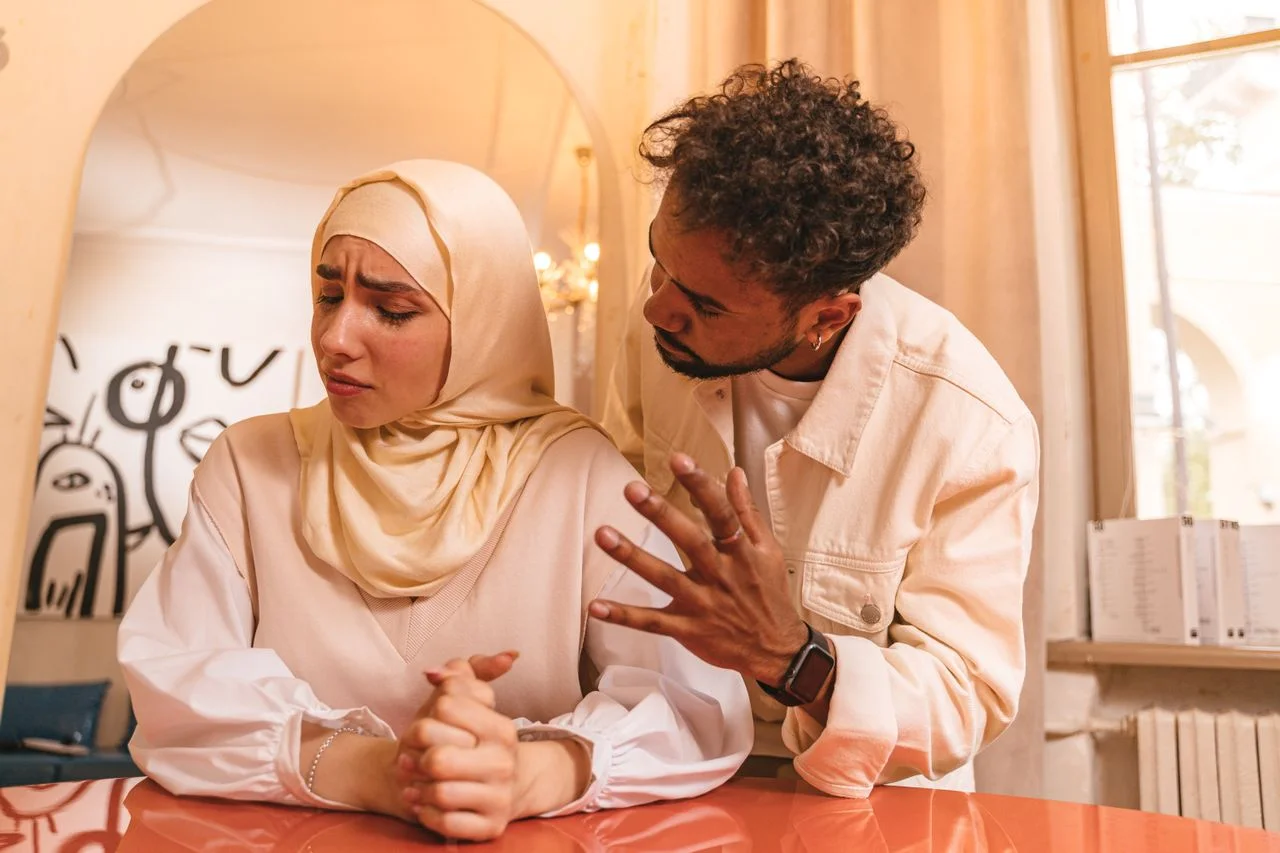
Practical Techniques for Controlling Anger in Islam Today
Beyond the classical teachings, here is how these principles translate into daily life.
1. Recognize the Early Warning Signs
Anger builds gradually before it explodes. Learning to notice tension in the body, a racing heart, or the urge to raise your voice gives a person the chance to apply the Prophetic remedies before losing control entirely.
2. Pause Before Reacting
The physical techniques taught by the Prophet, changing position and staying silent, work because they create a gap between the trigger and the reaction. That gap is often all that is needed to prevent regret.
3. Remember Allah’s Reward for Restraint
The Prophet said that whoever suppresses their anger, while being able to act on it, will be called by Allah before all of creation on the Day of Judgment and given the choice of any of the wide eyed maidens of Paradise.
This hadith, found in Sunan Abi Dawud and Sunan Ibn Majah, reframes restraint not as weakness but as an act with immense spiritual reward.
4. Practice Forgiveness Regularly
The Quran repeatedly pairs controlling anger with forgiving others. This is not a coincidence. Anger that is not released through forgiveness tends to resurface later, often more intensely.
5. Reflect on the Prophet’s Own Example
Despite facing insults, physical harm, and betrayal throughout his life, the Prophet (peace be upon him) is consistently described as gentle and forbearing, even toward those who wronged him. His response to the people of Ta’if, who stoned him, was to pray for their guidance rather than their destruction.
6. Use Dua as a Tool
Simple supplications asking Allah for patience and a soft heart can be woven into daily routines, not just reserved for moments of active anger.
When Anger Turns Into a Deeper Pattern
For some people, anger is not occasional but a constant undercurrent. Islamic teaching does not ignore this reality.
Chronic anger, resentment, and a short temper as a personality trait are areas where spiritual remedies work best alongside practical self reflection. Scholars have long noted that unresolved anger often stems from unmet expectations, pride, or past hurt that has never been properly addressed.
In cases where anger affects relationships or daily functioning significantly, combining these Islamic practices with honest self reflection, and where needed, professional support, is fully consistent with Islamic teaching. Islam encourages seeking help and does not treat struggling with emotions as a moral failure.
Key Takeaways on Controlling Anger in Islam
- Anger itself is natural and not sinful, but how you respond to it defines your character.
- The Prophet Muhammad (peace be upon him) gave specific, practical techniques: changing position, staying silent, seeking refuge in Allah, and performing wudu.
- The Quran links restraining anger directly to being among those Allah loves.
- True strength, according to the Prophet, is self control, not physical dominance.
- Controlling anger protects relationships, prevents regret, and is treated as a sign of genuine faith.
- Consistent practice, reflection, and dua help transform anger from a destructive force into a manageable emotion.
Final Thoughts
Controlling anger in Islam is ultimately about choice in the moment that matters most. Every person will feel provoked at some point. What separates a person of strong character is the pause they take before reacting.
The tools given by the Prophet (peace be upon him) are simple enough to remember under pressure and powerful enough to change outcomes. Sitting down, staying quiet, seeking refuge in Allah, these small actions carry the weight of prophetic wisdom behind them.
Practiced consistently, they do more than prevent regret. They build the kind of character the Quran describes as beloved to Allah.
Sources and Official References
- Sahih al-Bukhari: https://sunnah.com/bukhari
- Sunan Abi Dawud: https://sunnah.com/abudawud
- Sunan Ibn Majah: https://sunnah.com/ibnmajah
- The Quran, Surah Al Imran (3:134): https://quran.com/en/ali-imran/134
FAQs
1. What does Islam say about controlling anger?
Islam teaches that controlling anger is a sign of strong faith and good character. The Quran praises those who restrain their anger and forgive others, and the Prophet Muhammad (peace be upon him) described true strength as self control rather than physical power.
2. What did the Prophet Muhammad teach about dealing with anger?
The Prophet taught several practical steps, including sitting down if angry while standing, staying silent instead of speaking, seeking refuge in Allah from Satan, and performing wudu, since anger is compared to a fire that water can help extinguish.
3. Is feeling angry a sin in Islam?
No, feeling angry is a natural human emotion and is not sinful on its own. Islam focuses on how a person responds to anger, encouraging restraint, patience, and forgiveness rather than reacting impulsively.
4. What is the reward for controlling anger in Islam?
According to a hadith found in Sunan Abi Dawud and Sunan Ibn Majah, whoever suppresses their anger while being able to act on it will be called by Allah before all of creation on the Day of Judgment and given a special reward in Paradise.
5. How can I practically control my anger according to Islamic teachings?
Practical steps include recognizing early warning signs of anger, pausing before reacting, changing your physical position, staying silent, seeking refuge in Allah, performing wudu, and regularly practicing forgiveness and dua for patience.
If you wish to learn the Quran online or enroll in one of our Quran courses, click below and start your learning journey today.
Explore Our Courses →
