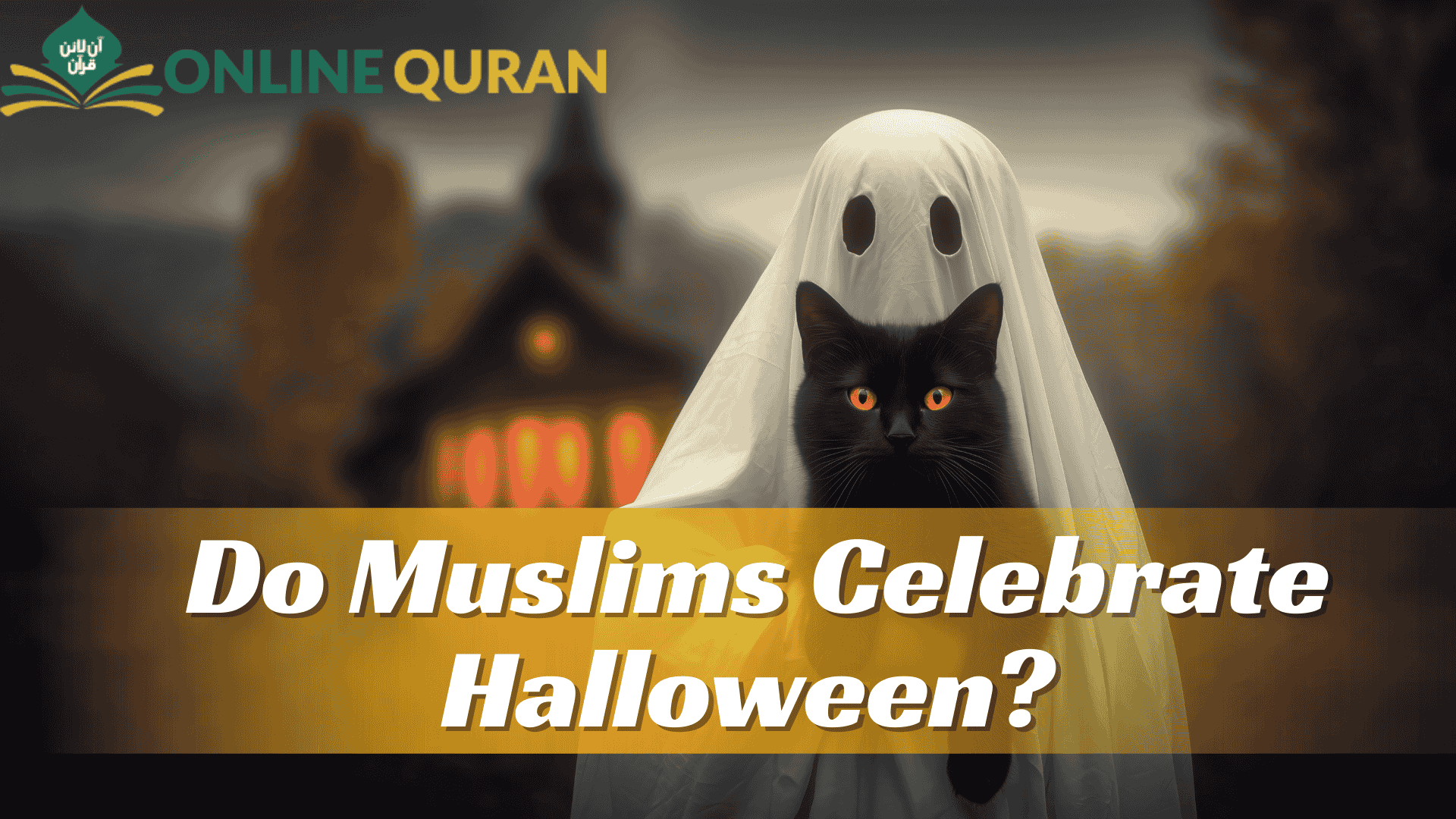
Do Muslims Celebrate Halloween?
Every year at the end of October, a question repeatedly appears on Google and social media:
Do Muslims Celebrate Halloween?
Halloween decorations, costumes, and parties are seen all over the world, especially in Western countries. For this reason, many Muslims, especially those living in non-Muslim countries, wonder whether Halloween has any place in Islam or not.
In this complete guide, we will answer the question Do Muslims Celebrate Halloween? in a very clear, simple, and Islamic way, so that there is no confusion.
Do Muslims Celebrate Halloween?
The clear and simple answer to this question is:
No, Muslims do not celebrate Halloween.
Islam does not consider Halloween to be a religious festival, nor a cultural one, nor a social one. Muslims only celebrate those festivals that Islam permits, and Halloween is not one of them.
When people ask Do Muslims Celebrate Halloween? So the answer is given based on Islamic beliefs, values, and teachings, not by looking at worldly customs.
What is Halloween and where did it come from?
To understand why Muslims do not celebrate Halloween, we first need to know what Halloween actually is.
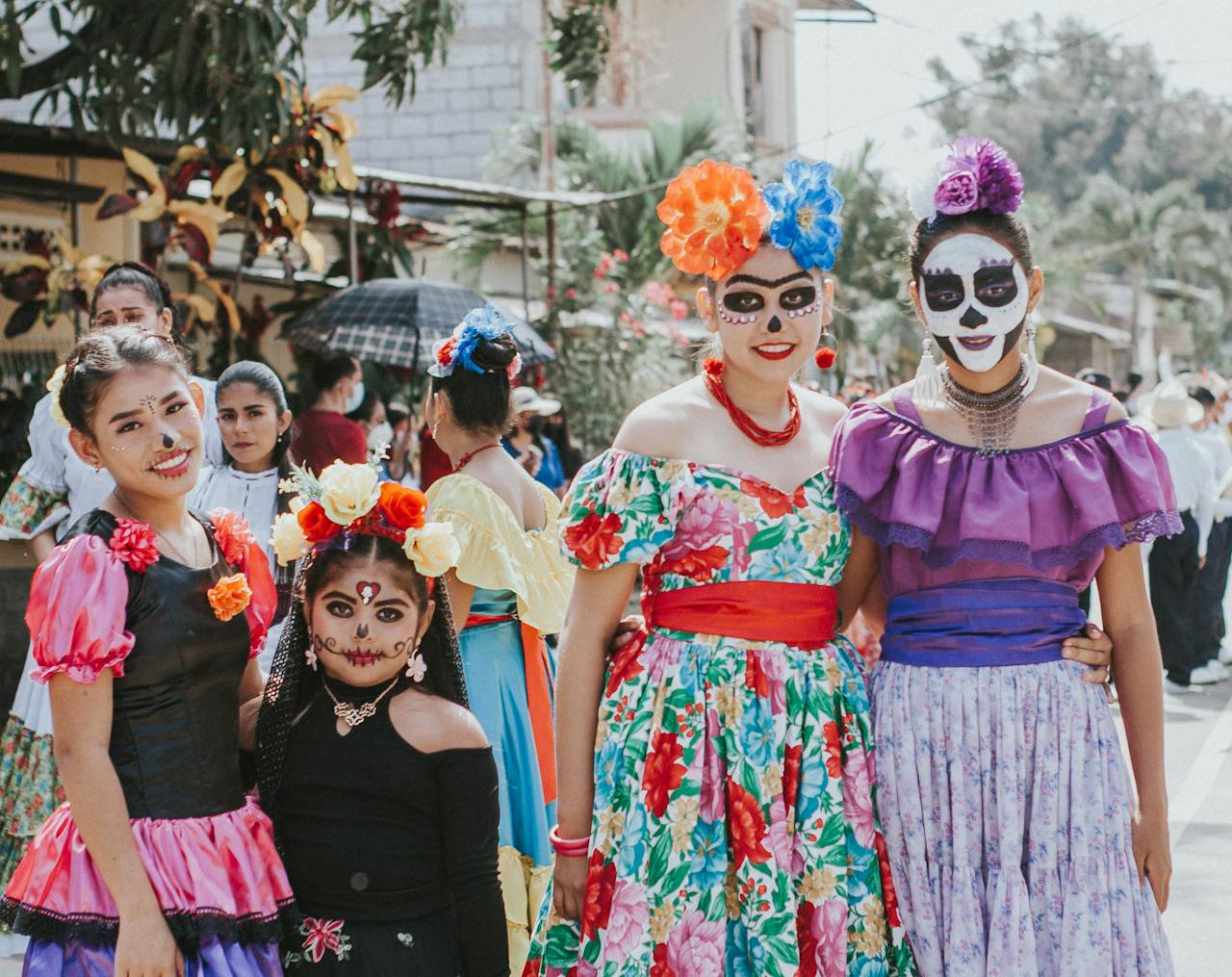
Halloween originated from an ancient non-Islamic festival called Samhain. In this festival, people believed that the souls of men returned to earth on this night.
Over time, Halloween became associated with:
-
Ghosts and spirits
-
Witches and magic
-
Fantasy and superstitious beliefs
-
Scary costumes and rituals
Today, although Halloween is called “just fun,” its roots are rooted in un-Islamic and non-religious beliefs.
This is a major reason why Muslims do not celebrate Halloween.
Do Muslims celebrate Halloween as a cultural festival?
Some people say that Halloween is no longer religious but is just a cultural festival. So they ask again:
Do Muslims celebrate Halloween just for fun?
The Islamic answer is still the same: No.
Islam does not allow Muslims to imitate the religious or spiritual practices of other religions, even if they call them “culture.”
The Prophet (peace and blessings of Allaah be upon him) said:
“Whoever imitates a people is one of them.”
(Abu Dawood)
Based on this hadeeth, scholars say that Muslims do not celebrate Halloween.
The Concept of Festivals in Islam
Islam is very clear on this matter. Muslims have only two festivals:
-
Eid al-Fitr
-
Eid al-Adha
The Prophet (peace and blessings of Allaah be upon him) said:
“May Allaah grant you these two Eids in place of all the previous festivals.”
This means that Muslims do not introduce new religious or symbolic festivals into their lives.
So when someone asks, do Muslims celebrate Halloween? The principle is simple:
What is not proven by Islam, Muslims avoid.
Why don’t Muslims celebrate Halloween?
There are several strong reasons for this:
1. Halloween is based on non-Islamic beliefs
Islam forbids participating in the rituals of other religions.
2. Association with superstitions and fear
Halloween involves concepts such as ghosts, magic, and fear, which Islam teaches us to avoid.
3. Immoral activities
Halloween often includes:
-
Revealing or scary costumes
-
Drinking alcohol
-
Scary themes
All of these are against Islamic morality.
4. Imitation of non-Muslim customs
Islam gives Muslims a distinct and distinct identity.
For all these reasons, Muslims do not celebrate Halloween.
Do Muslims allow children to celebrate Halloween?
Parents often ask:
Do Muslims celebrate Halloween for their children? Like trick-or-treating?
Most Islamic scholars say that Muslim children should not participate in Halloween activities, even if they seem innocent.
It is very important to give children an Islamic identity from the beginning.
Instead, parents should:
-
Make Eid full of joy
-
Organize halal entertainment
-
Lovely explain to children why we do not celebrate Halloween
What if a Muslim lives in a Western country?
Living in a non-Muslim country, this question becomes more common:
Do Muslims celebrate Halloween?
Islam does not command Muslims to be alone, but it does command them to be true to their faith.
Muslims can:
-
Be kind to their neighbors
-
Do not hurt anyone’s feelings
-
Gentlely refuse to join Halloween
Respect does not mean breaking your religious boundaries.
Is it forbidden for Muslims to celebrate Halloween?
According to most scholars, celebrating Halloween is not permissible (haram or illegitimate) because it imitates non-Islamic customs.
Islamic rulings are given based on the origin, meaning, and effects, not the customs.
Therefore, if the question is:
Do Muslims celebrate Halloween according to Islam?
Then the answer is: No.
Also Read: Ultimate Isha Namaz Rakat Explained – Step by Step Guide
Common misconceptions about Muslims and Halloween
❌ “It’s just fun”
✔ Islam looks at the root and belief
❌ “It’s no longer religious”
✔ Its foundation is still un-Islamic
❌ “Everyone celebrates”
✔ Muslims are not the majority, they look at Islam
What can Muslims do instead of Halloween?
Islam does not forbid happiness, but rather teaches halal happiness.
Instead of Halloween, Muslims:
-
Can spend time with family
-
Can teach children Islamic stories
-
Can hold community programs
-
Can celebrate Islamic festivals in a beautiful way
Islam brings joy, not fear.
The final answer: Do Muslims celebrate Halloween?
The summary is quite clear:
-
Do Muslims celebrate Halloween? → No
-
Is Halloween part of Islam? → No
-
Should Muslims participate in Halloween? → No
Muslims follow Islam, and maintain their religious boundaries while respecting others.
Conclusion
The question “Do Muslims celebrate Halloween?” The answer is clear.
Muslims do not celebrate Halloween because it goes against Islamic beliefs, values, and identity.
Islam teaches Muslims to live with confidence, clarity, and faith.
True happiness lies in obeying Allah, not in adopting every new custom.
FAQs
What holidays do Muslims not celebrate?
Muslims do not celebrate holidays that are not approved in Islam, such as Halloween, Christmas, Easter, Diwali, Holi, and other religious or symbolic festivals of other faiths. In Islam, only Eid al-Fitr and Eid al-Adha are celebrated.
Are Muslims allowed to trick or treat?
No, Muslims are generally not allowed to trick or treat because it is part of Halloween, which has non-Islamic origins and customs. Islam discourages participating in activities linked to non-Islamic religious or cultural practices.
Is Halloween mentioned in the Quran?
No, Halloween is not mentioned anywhere in the Quran. It has no basis in Islamic teachings, history, or religious practice.
What religions don’t celebrate Halloween?
Islam does not celebrate Halloween. Some followers of other religions and Christian groups also avoid Halloween due to its pagan roots and spiritual symbolism.
Can Muslims celebrate Halloween?
No, Muslims do not celebrate Halloween according to Islamic teachings. Islam encourages Muslims to maintain their religious identity and avoid celebrations rooted in non-Islamic beliefs.
Which religion supports Halloween?
Halloween originated from ancient pagan traditions and later became associated with certain Christian cultural practices. It is not supported or prescribed as a religious festival in Islam.
If you wish to learn the Quran online or enroll in one of our Quran courses, click below and start your learning journey today. Explore Our Courses →