Friendship in Islam: How to Choose Companions Who Strengthen Your Faith

Friendship in Islam
Why Your Choice of Friends Might Be the Most Important Decision You Make
Think about the five people you spend the most time with. Now ask yourself honestly: are they pulling you closer to Allah, or quietly pulling you away?
This is not a small question. Friendship in Islam is treated as a matter that touches the soul, not just social comfort. The Prophet Muhammad (peace be upon him) warned that a person tends to follow the religion of their close friend, which means the people we sit with, laugh with, and confide in are shaping our character whether we notice it or not.
This article explores what Islam actually teaches about friendship, the qualities of a righteous companion, the warning signs of harmful company, and practical steps for building friendships that benefit you in this life and the next.
The Islamic View of Friendship: More Than Just Companionship
In Islam, friendship is not treated as a casual or neutral relationship. It is considered a spiritual investment.
Key principles include:
- Friendship should be built on shared faith and good character, not just shared interests.
- A true friend encourages you toward righteousness and gently corrects you when you err.
- Islam distinguishes between general kindness to all people and the deeper bond of close, trusted companionship.
Muslims are taught to be kind, just, and respectful to everyone, including non-Muslims and people of different backgrounds. However, when it comes to choosing an inner circle of close friends who influence your habits and decisions, Islam encourages careful selection.
The Prophet’s Teaching on the Influence of Friends
One of the most well-known sayings on this topic compares a good companion to a perfume seller and a bad companion to a blacksmith. Sitting with the perfume seller, you either buy some, benefit from its scent, or at least enjoy a pleasant smell. Sitting with the blacksmith, you risk your clothes catching a burn or you are affected by the foul smell of smoke.
This teaching captures a simple but powerful truth: you absorb the environment you sit in.
Qualities of a Righteous Friend in Islam
Not every friendly face makes a good companion. Islamic teachings point to specific traits worth looking for.
1. Strong Character and Honesty
A trustworthy friend does not lie to you or about you. They are consistent in their words and actions.
2. Encourages Worship and Good Deeds
A good friend reminds you about prayer, encourages patience during hardship, and celebrates your efforts to grow spiritually.
3. Gives Sincere Advice
Real friendship in Islam is described as a mirror. A sincere friend tells you the truth, even when it is uncomfortable, because they care about your wellbeing more than your approval.
4. Loyal in Times of Difficulty
Islam places high value on friends who remain loyal during hardship, not just during times of ease and celebration.
5. Free from Harmful Habits
A friend who avoids backbiting, dishonesty, and harmful behavior helps protect you from falling into the same patterns.
The Warning Against Harmful Friendships
The Quran and hadith literature repeatedly caution believers about the dangers of bad company. This is not about being judgmental toward others. It is about protecting your own heart and habits.
Signs of a harmful friendship may include:
- They regularly encourage you to skip prayers or ignore religious obligations.
- They engage in gossip, backbiting, or spreading rumors.
- They pressure you into behavior that goes against your values.
- They only appear during good times and disappear during struggles.
- Being around them consistently leaves you feeling spiritually and emotionally drained.
The Quran describes a scene on the Day of Judgment where close friends who led each other astray in worldly life become enemies to one another, except for those whose friendship was rooted in righteousness. This is a sobering reminder that friendship built purely on worldly interest has an expiry date, while friendship built on faith carries eternal value.
Friendship for the Sake of Allah
Islamic scholars often speak of a special category of friendship called love for the sake of Allah. This means loving someone not because of what they can offer you materially, but because of their faith, character, and closeness to Allah.
This type of friendship is considered one of the sweetest experiences of faith. It is described in hadith literature as something that grants a person the shade of Allah’s mercy on a day when there is no shade except His.
Practical signs of friendship for the sake of Allah:
- You love the person for their character and faith, not their status or wealth.
- Your friendship continues even without material benefit.
- You pray for one another, even in each other’s absence.
- Disagreements are handled with patience and forgiveness, not grudges.
Balancing Kindness to All with Wisdom in Close Friendships
It is important to clarify a common misunderstanding. Choosing your close friends carefully does not mean being cold, arrogant, or dismissive toward others.
Islam teaches Muslims to:
- Be courteous and fair to everyone, regardless of their faith or background.
- Maintain good relations with neighbors, classmates, and coworkers.
- Avoid isolating themselves out of pride or judgment.
The guidance about friendship applies specifically to the inner circle of people you trust deeply, confide in, and allow to influence your decisions. You can be respectful and kind to everyone while still being selective about who earns your deepest trust.
Also Read: Dua for Forgiveness: The Powerful Sunnah Prayer That Can Change Your Heart Tonight
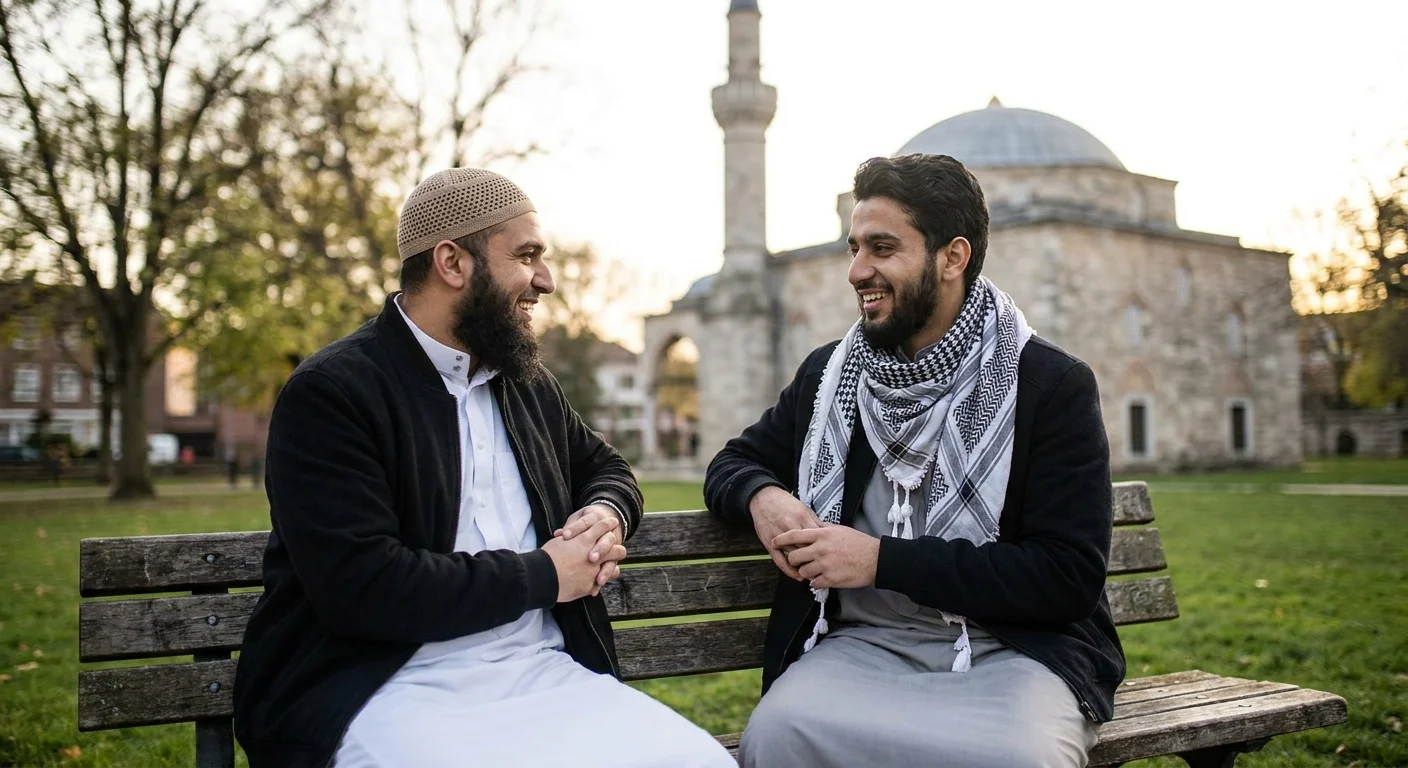
How to Build Better Friendships as a Muslim
Improving your circle of friends is a gradual process, not an overnight decision. Here are practical steps that work well in real life.
1. Reflect on Your Current Circle
Take an honest look at who you spend the most time with. Ask whether these relationships help or harm your spiritual and personal growth.
2. Seek Out Community Spaces
Mosques, community gatherings, study circles, and volunteer groups are natural places to meet people who share similar values.
3. Be the Kind of Friend You Want to Have
Friendship is a two-way relationship. If you want loyal, honest, and encouraging friends, practice those same qualities yourself.
4. Set Gentle Boundaries
You do not need to cut people off dramatically. Sometimes simply reducing time spent in unhealthy environments is enough to protect your growth.
5. Maintain Old Friendships with Care
If a longtime friend is moving in a direction that concerns you, approach them with compassion rather than judgment. Sincere advice, offered gently, often has more impact than distance alone.
The Long-Term Benefits of Righteous Friendship
Choosing your friends wisely is not just about avoiding harm. It actively builds a better life.
Righteous friendships can offer:
- Emotional support during difficult times, rooted in genuine care.
- Accountability that helps you stay consistent in worship and good habits.
- A sense of community and belonging that strengthens mental wellbeing.
- Positive peer pressure that nudges you toward self-improvement instead of away from it.
Many people underestimate how much their environment shapes their choices. Surrounding yourself with people who value honesty, patience, and faith makes it significantly easier to maintain those same values yourself.
Key Takeaways on Friendship in Islam
- Friendship in Islam is treated as a spiritual matter, not just a social one.
- A righteous friend encourages faith, honesty, and good character.
- Harmful friendships can quietly pull you away from your values over time.
- Love for the sake of Allah is one of the most valuable forms of friendship.
- Kindness to everyone should continue, even while being selective about close companions.
- Building better friendships takes reflection, intention, and consistent effort.
Sources and Official References
- The Quran: https://quran.com
- Sahih al-Bukhari: https://sunnah.com/bukhari
- Sahih Muslim: https://sunnah.com/muslim
- Riyad as-Salihin (compiled by Imam Nawawi): https://sunnah.com/riyadussalihin
FAQs
1. What does Islam say about choosing friends?
Islam encourages choosing friends who have good character and strong faith, since companions strongly influence a person’s habits and values over time.
2. Can Muslims be friends with non-Muslims?
Yes. Islam encourages kindness, fairness, and good relations with people of all backgrounds, while placing special emphasis on shared faith within one’s closest circle of trusted companions.
3. What is the Islamic concept of loving someone for the sake of Allah?
It refers to loving a person purely for their character and closeness to faith, rather than for wealth, status, or personal benefit, and is considered a highly rewarded form of love in Islam.
4. How can I tell if a friendship is harmful according to Islamic teachings?
Warning signs include friends who discourage worship, engage in gossip or dishonesty, or consistently pressure you toward behavior that conflicts with your values.
5. Does Islam allow ending a friendship?
Yes. If a friendship consistently causes spiritual or emotional harm, it is permissible and often encouraged to create distance, ideally with kindness and without unnecessary hostility.
If you wish to learn the Quran online or enroll in one of our Quran courses, click below and start your learning journey today.
Explore Our Courses →
