Islamic Prayer Times in Philadelphia. A Complete Guide from the Heart of the City
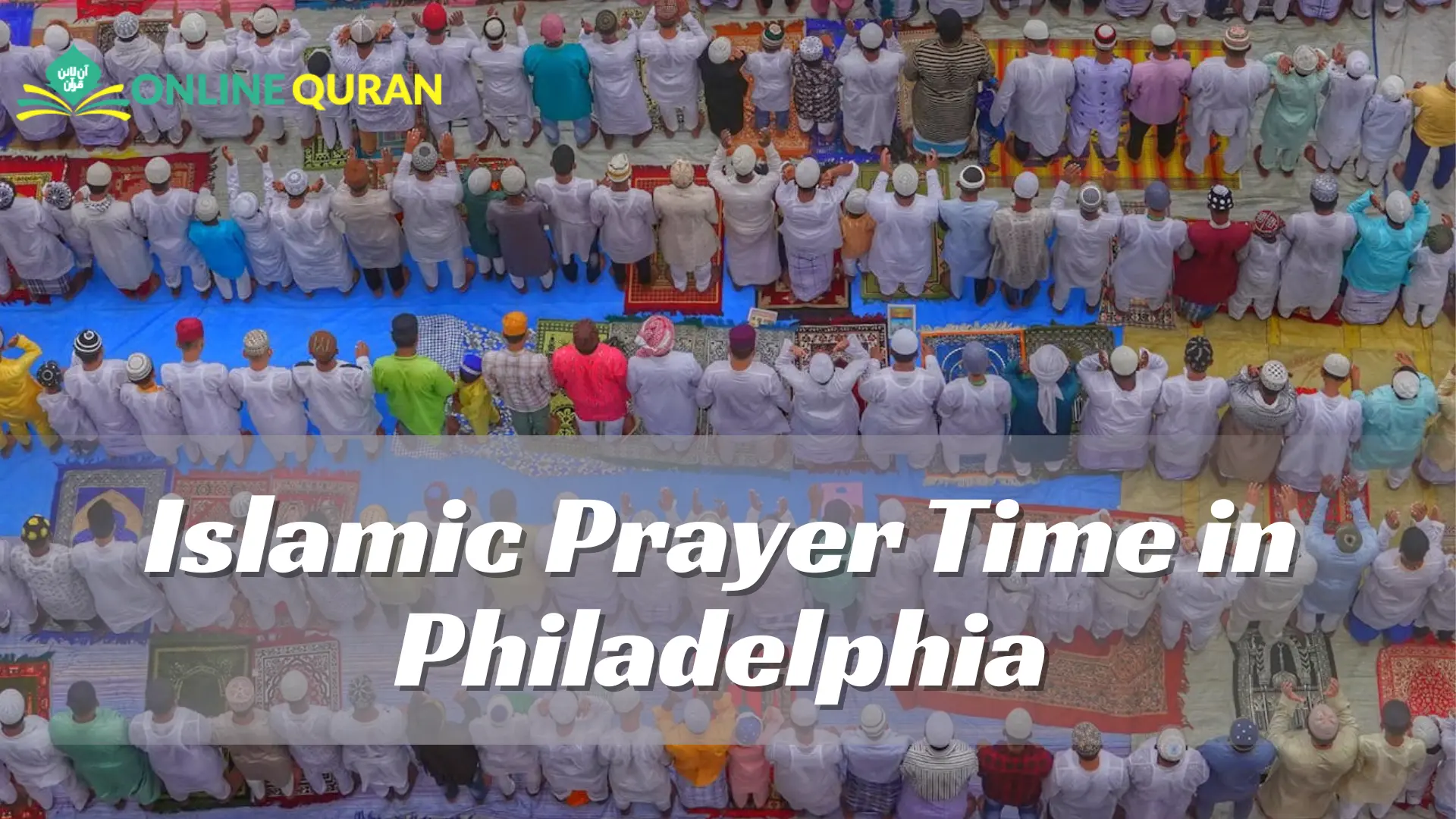
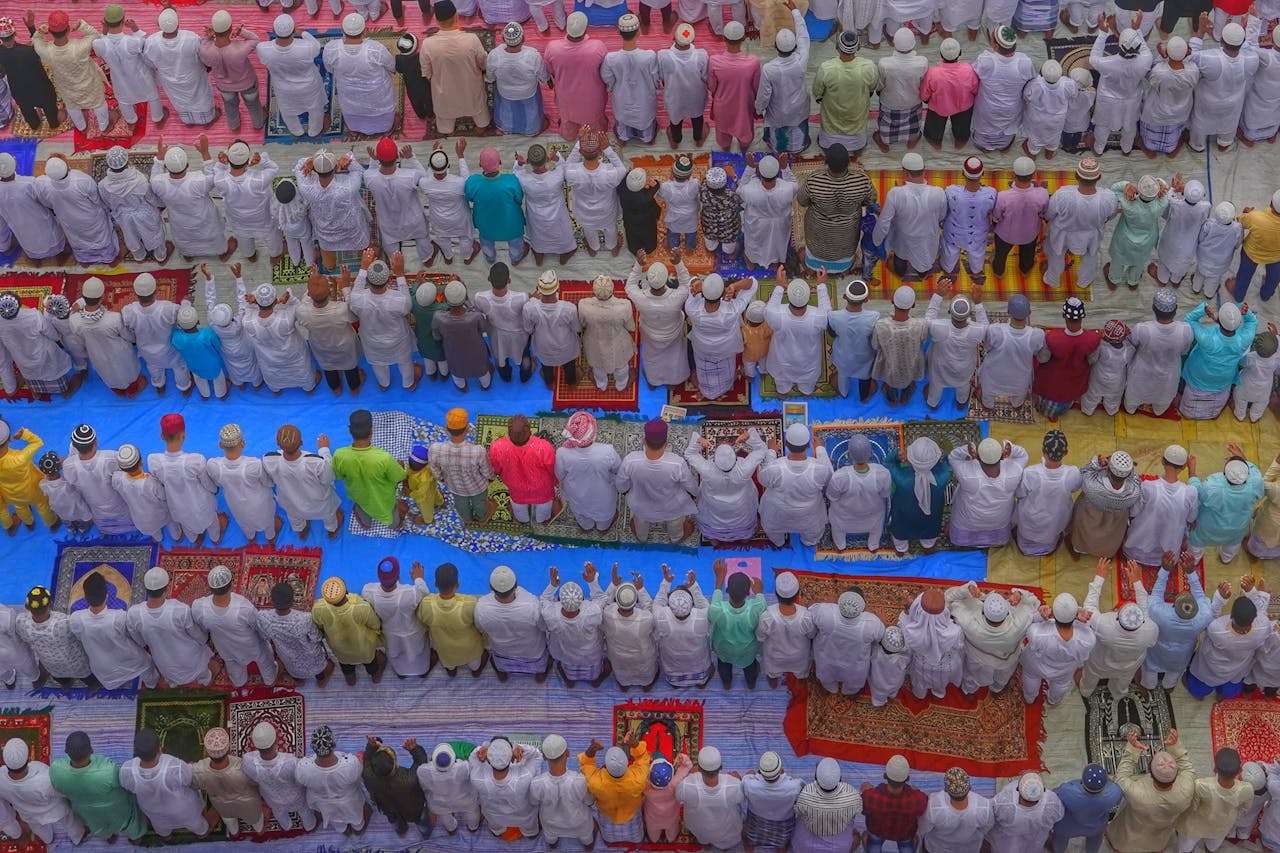
Islamic Prayer Time in Philadelphia is an essential part of daily life for Muslims living or visiting the city. When I first spent time in Philadelphia, I was forced to think about how I could organize my daily life around prayer. The city is very fast-paced. Trains run on time. Offices open early. Restaurants stay busy late into the night. But amidst all this hustle and bustle, hearing the call to prayer from the mosque and knowing that it is time for prayer is very soothing.
Islamic prayer times in Philadelphia are not just about looking at a schedule. They are about building your day around spiritual peace, order, and connection with Allah. Whether you live here permanently, study, work, or just travel, knowing the prayer times and understanding their harmony with the city strengthens your spiritual life.
In this guide, I will tell you everything in a practical and human way. I will also explain how prayer times are determined, where people pray, what the atmosphere is like on Friday, and ways to keep up with prayer in a busy city.
The Importance of Prayer Times
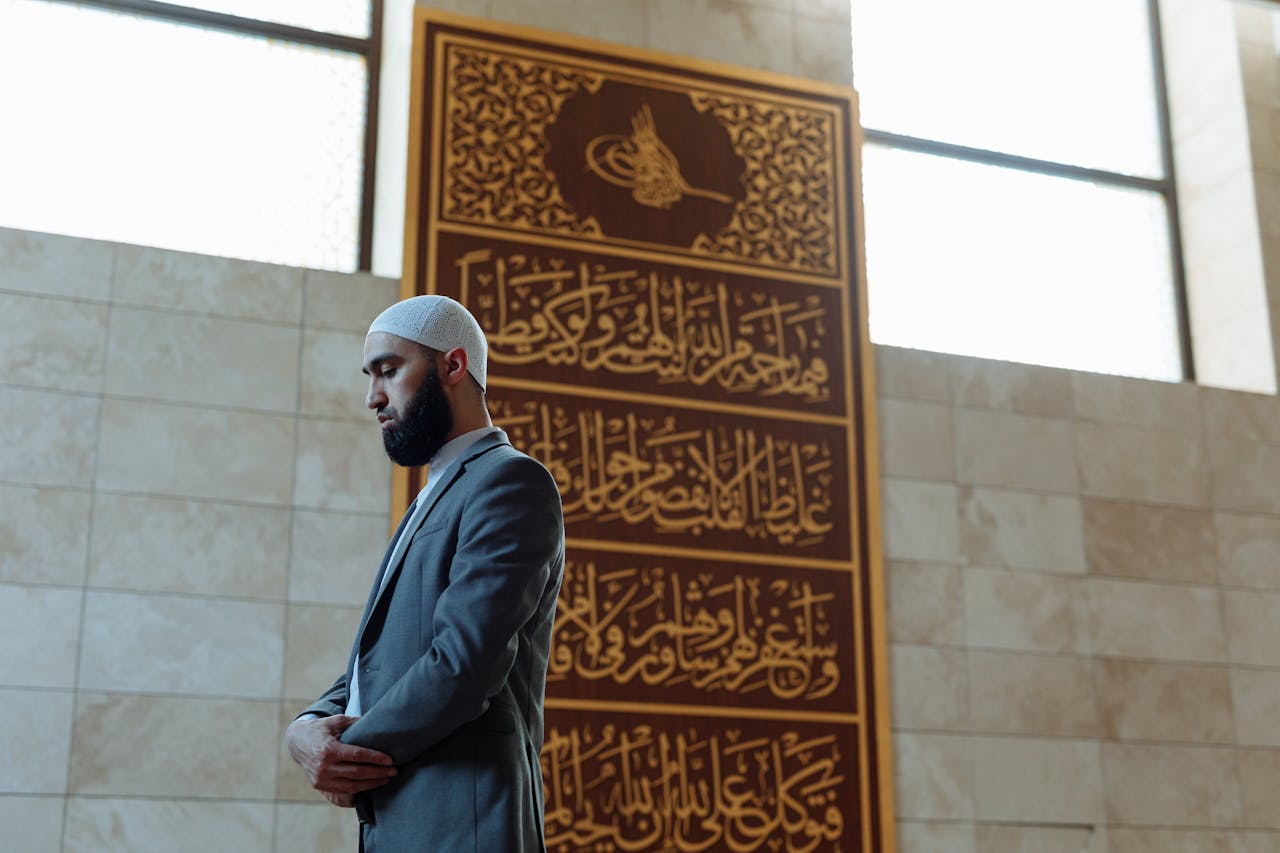
Muslims pray five times a day. These times are not random, but are linked to the movement of the sun. No matter where you are in the world, whether it is Pakistan or America, the system is the same.
The five prayers are:
-
Fajr – before sunrise
-
Zuhr – after noon
-
Asr – in the early evening
-
Maghrib – just after sunset
-
Isha – the night prayer
Philadelphia is located in the northeastern United States, so prayer times vary greatly depending on the season. In the summer, Fajr can be very early and Isha is late. In the winter, the days are shorter, so Maghrib and Isha come early.
Prayer times in the city are set according to North American calculations. Most local mosques use a reliable system that adjusts itself to the time of day and season.
Today’s Prayer Times in Philadelphia
Prayer times change daily, so it’s always important to check a reliable source. To give you a general idea, a typical day’s times might be:
In the summer:
-
Fajr: approximately 4:30 AM to 5:00 AM
-
Zuhr: approximately 1:00 PM
-
Asr: approximately 5:00 PM
-
Maghrib: approximately 8:15 PM
-
Isha: approximately 9:30 PM
In the winter:
-
Fajr: approximately 6:00 AM
-
Zuhr: approximately 12:15 PM
-
Asr: approximately 3:00 PM
-
Maghrib: approximately 4:45 PM
-
Isha: approximately 6:15 PM
These times change slightly each day. I personally found it easier to use a mobile app that tells you the prayer times based on your location. Most people also follow the timetable published by the local mosque.
Experiencing Prayer in Philadelphia
The most beautiful thing about Philadelphia is that Muslims here come from different communities. You will meet South Asian, Middle Eastern, African or American-born Muslim families.
I had the opportunity to visit the Islamic Society of Greater Philadelphia. When I entered the mosque for the noon prayer, I felt a sense of peace inside. There were cars outside, people in a hurry. Inside, it was quiet and peaceful. The brothers were performing ablution. The melodious voice of the Quran could be heard. The imam was welcoming everyone warmly.
Al-Aqsa Islamic Society is also a very important mosque. It is crowded on Fridays. The sermon is usually in English, sometimes with Arabic passages. This makes it easier for young people growing up in America to understand.
There is also Masjidullah, which is famous for its community programs and Islamic classes. If you’re new, some of the prayers here feel less lonely.
Friday Prayers in Philadelphia
Friday prayers here feel special. Muslims who work in offices near large mosques leave for lunch. University students gather in groups. The significance of the day is truly felt.
Most mosques have Friday sermons between 1:00 and 1:30. Some large mosques have two sessions so that everyone can fit in.
If you’re working, it’s best to let your employer know in advance. Most American offices respect the religious observance if you let them know in advance.
Also Read: How Many Surahs Are in the Quran? Powerful and Complete Guide
Ramadan and Prayer Times
Ramadan feels different in Philadelphia. The long summer fasts can be difficult, especially when Maghrib is late. But the atmosphere is such that it’s bearable.
Mosques like the Islamic Society of Greater Philadelphia host daily iftars. Families bring food. Children run around the hall. After Maghrib, people stay for Isha and Taraweeh. The recitation sounds beautiful.
Fasts are shorter in winter Ramadan, making it easier on the body. But the evenings pass quickly because Maghrib falls early.
The key is to plan your schedule in advance. Check the prayer times weekly during Ramadan as they change every day.
FAQs
Why are there so many Muslims in Philly?
Philadelphia has a long history of immigration and a growing Muslim community. Many families from South Asia, the Middle East, Africa, and other regions settled here over generations, creating a diverse Muslim population.
Is it OK to pray Asr late?
It is best to pray Asr within its designated time, but if delayed unintentionally, you should perform it as soon as possible.
What is the 3am prayer called in Islam?
The 3am prayer is generally Tahajjud, a voluntary night prayer performed after Isha and before Fajr.
Can I pray Zuhr 30 minutes early?
No, Zuhr should be prayed after the sun has passed its zenith. Praying earlier than its designated time is not valid.
What is the haram time for prayer?
Prayers are not allowed at three times:
-
Just after Fajr until the sun rises
-
When the sun is at its zenith (midday)
-
Just before Maghrib until the sun sets
Can I pray Tahajjud 30 minutes before Fajr?
Yes, Tahajjud can be prayed anytime after Isha until Fajr, so praying 30 minutes before Fajr is allowed and recommended.
If you wish to learn the Quran online or enroll in one of our Quran courses, click below and start your learning journey today.
Explore Our Courses →