Mahr in Islam: Understanding the Concept and Its Significance
Mahr in Islam: Understanding the Concept and Its Significance
Mahr is a fundamental concept in Islamic law, particularly in the context of marriage. It refers to the gift or payment that a groom is required to give to his bride at the time of their marriage. This payment is a symbol of the groom’s commitment to the marriage and is considered a vital aspect of the Islamic marriage contract. In this blog post, we will delve into the concept of Mahr, its significance, and its implications in Islamic law.
The concept of Mahr is rooted in the Quran and the Hadith, the sayings and actions of the Prophet Muhammad (peace be upon him). The Quran emphasizes the importance of Mahr in several verses, including Surah An-Nisa, which states that men should give their wives a gift or payment at the time of marriage. The Hadith also provides guidance on the concept of Mahr, with the Prophet Muhammad (peace be upon him) encouraging men to be generous in their payment to their wives.
One of the key aspects of Mahr is its purpose, which is to provide financial security for the bride. The payment is intended to be a gift to the bride, and it is hers to keep, regardless of the outcome of the marriage. This payment can take many forms, including cash, jewelry, or other valuables. In some cases, the Mahr may be deferred, meaning that it is paid in installments over a period of time. The Mahr is a significant aspect of Islamic marriage, and its payment is considered a vital part of the marriage contract.
History of Mahr in Islam
The concept of Mahr has a long history in Islam, dating back to the time of the Prophet Muhammad (peace be upon him). During this period, Mahr was seen as a way of providing financial security for the bride and her family. The payment was typically made in the form of a gift or a dowry, and it was considered a symbol of the groom’s wealth and status. Over time, the concept of Mahr evolved, and it became an integral part of the Islamic marriage contract.
One of the most significant events in the history of Mahr was the marriage of the Prophet Muhammad (peace be upon him) to his wife, Khadijah. According to Islamic tradition, the Prophet Muhammad (peace be upon him) gave Khadijah a gift of 20 camels as Mahr, which was a significant amount at the time. This event set a precedent for the payment of Mahr in Islamic marriages and emphasized the importance of providing financial security for the bride.
The concept of Mahr has also been influenced by various cultural and social factors over the centuries. In some Muslim societies, the payment of Mahr is seen as a status symbol, and the amount paid is often used to determine the groom’s wealth and social standing. However, this is not in line with the Islamic concept of Mahr, which emphasizes the importance of providing financial security for the bride, rather than showcasing the groom’s wealth.
Also Read: Learn Quran Online with Tajweed: A Comprehensive Guide
Types of Mahr
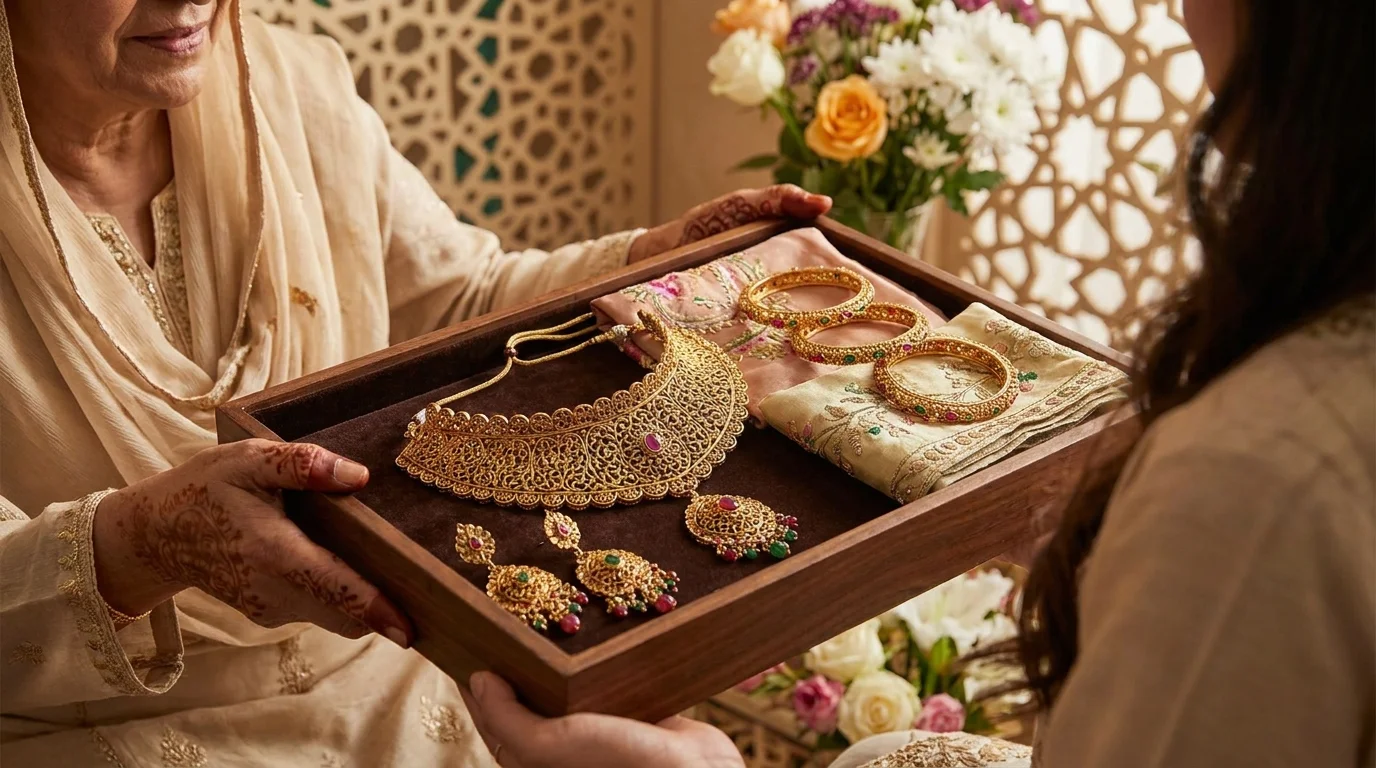
There are several types of Mahr that can be paid in an Islamic marriage. The most common types include cash, jewelry, and other valuables. In some cases, the Mahr may be a combination of these items, such as a cash payment and a gift of jewelry. The type and amount of Mahr paid can vary depending on the cultural and social context of the marriage.
One of the most significant types of Mahr is the prompt Mahr, which is paid at the time of the marriage. This type of Mahr is considered the most desirable, as it provides immediate financial security for the bride. The deferred Mahr, on the other hand, is paid in installments over a period of time. This type of Mahr is often used when the groom is unable to pay the full amount at the time of the marriage.
The concept of Dower is also related to Mahr, as it refers to the payment made by the groom to the bride in the event of a divorce. The Dower is typically a smaller amount than the Mahr and is intended to provide financial support for the bride during the period of waiting after the divorce.
Significance of Mahr in Islamic Marriage
The payment of Mahr is a significant aspect of Islamic marriage, as it provides financial security for the bride and emphasizes the groom’s commitment to the marriage. The Mahr is considered a vital part of the Islamic marriage contract, and its payment is required for the marriage to be considered valid. The amount and type of Mahr paid can vary depending on the cultural and social context of the marriage, but its significance remains the same.
The payment of Mahr also has significant implications for the bride, as it provides her with financial independence and security. The Mahr is considered the bride’s property, and she has the right to use it as she sees fit. This provides her with a sense of autonomy and independence, which is essential for a healthy and successful marriage.
The concept of Mahr also emphasizes the importance of fairness and justice in Islamic marriage. The payment of Mahr is intended to be a fair and reasonable amount, taking into account the groom’s financial situation and the bride’s needs. This emphasizes the importance of fairness and equality in the marriage, which is essential for building a strong and healthy relationship.
Benefits of Mahr
The payment of Mahr has several benefits for both the bride and the groom. For the bride, the Mahr provides financial security and independence, which is essential for a healthy and successful marriage. The Mahr also gives the bride a sense of autonomy and control over her financial affairs, which is important for building a strong and equal relationship.
For the groom, the payment of Mahr demonstrates his commitment to the marriage and his willingness to provide for his wife. The Mahr also serves as a reminder of the groom’s responsibilities and obligations towards his wife, which is essential for building a strong and healthy relationship. The payment of Mahr can also help to reduce the risk of divorce, as it provides a financial incentive for the groom to work towards building a successful and lasting marriage.
The payment of Mahr can also have positive social and economic implications. In some Muslim societies, the payment of Mahr is seen as a way of reducing poverty and promoting economic development. By providing financial security for the bride, the Mahr can help to reduce the risk of poverty and promote economic independence.
Challenges and Controversies Surrounding Mahr
Despite its significance and benefits, the concept of Mahr is not without challenges and controversies. One of the most significant challenges is the issue of inequality, as some men may use the Mahr as a way of exerting control over their wives. This can be problematic, as it can create an unequal and unfair relationship.
Another challenge is the issue of cultural and social expectations. In some Muslim societies, the payment of Mahr is seen as a status symbol, and the amount paid is often used to determine the groom’s wealth and social standing. This can create pressure on the groom to pay a large amount of Mahr, which can be problematic for those who are unable to afford it.
The concept of Mahr has also been subject to controversy and debate, particularly in the context of modern Islamic thought. Some scholars have argued that the concept of Mahr is outdated and should be reformed to reflect modern social and economic realities. Others have argued that the concept of Mahr is essential to Islamic marriage and should be preserved and protected.
Reform and Modernization of Mahr
In recent years, there have been efforts to reform and modernize the concept of Mahr. Some scholars have argued that the concept of Mahr should be reformed to reflect modern social and economic realities. This could involve changing the way that Mahr is paid, such as introducing a system of installment payments or allowing for the payment of Mahr in different forms, such as property or investments.
Others have argued that the concept of Mahr should be preserved and protected, but with some modifications to reflect modern social and economic realities. This could involve introducing guidelines and regulations to ensure that the payment of Mahr is fair and reasonable, and that it does not create an unequal and unfair relationship.
The reform and modernization of Mahr is a complex and challenging issue, and it requires careful consideration and debate. It is essential to balance the need to preserve and protect the traditional concept of Mahr with the need to adapt and modernize it to reflect changing social and economic realities.
Conclusion
In conclusion, the concept of Mahr is a significant aspect of Islamic marriage, providing financial security and independence for the bride. The payment of Mahr is a vital part of the Islamic marriage contract, and its significance and benefits are numerous. However, the concept of Mahr is not without challenges and controversies, and it requires careful consideration and debate to ensure that it is fair, reasonable, and effective.
The reform and modernization of Mahr is a complex and challenging issue, and it requires a nuanced and balanced approach. It is essential to preserve and protect the traditional concept of Mahr, while also adapting and modernizing it to reflect changing social and economic realities.
Ultimately, the concept of Mahr is an essential part of Islamic marriage, and its significance and benefits are undeniable. By understanding and appreciating the concept of Mahr, we can work towards building stronger, healthier, and more equal relationships, and promoting a more just and equitable society.
Future of Mahr
The future of Mahr is uncertain, but it is likely that it will continue to evolve and adapt to changing social and economic realities. As Muslim societies become more modern and secular, the concept of Mahr may need to be reformed and modernized to reflect these changes.
One possible future direction for Mahr is the introduction of new forms of payment, such as digital payments or investments. This could make it easier and more convenient for the groom to pay the Mahr, and could also provide the bride with more financial flexibility and autonomy.
Another possible future direction for Mahr is the development of new guidelines and regulations to ensure that the payment of Mahr is fair and reasonable. This could involve introducing minimum and maximum amounts for Mahr, or establishing guidelines for the payment of Mahr in different forms, such as property or investments.
Global Perspective on Mahr
The concept of Mahr is not unique to Islam, and it is practiced in various forms and cultures around the world. In some cultures, the payment of Mahr is seen as a way of sealing the marriage contract, while in others it is viewed as a symbol of the groom’s wealth and status.
In some countries, the payment of Mahr is regulated by law, and there are guidelines and regulations in place to ensure that it is fair and reasonable. In other countries, the payment of Mahr is left to the discretion of the parties involved, and it can vary widely depending on the cultural and social context.
The global perspective on Mahr is complex and diverse, reflecting the many different cultures and traditions that practice it. However, despite these differences, the concept of Mahr remains an essential part of many marriage contracts around the world, and its significance and benefits are widely recognized.
Impact of Mahr on Women’s Rights
The payment of Mahr can have a significant impact on women’s rights, particularly in the context of Islamic marriage. The Mahr provides women with financial independence and autonomy, which is essential for building a strong and equal relationship.
However, the payment of Mahr can also be used as a tool of control and oppression, particularly if it is used to exert pressure on the bride to accept a marriage that she does not want. In some cases, the Mahr may be used as a bargaining chip, with the groom offering a larger payment in exchange for the bride’s agreement to marry him.
To ensure that the payment of Mahr promotes women’s rights and empowerment, it is essential to establish clear guidelines and regulations for its payment. This could involve introducing minimum and maximum amounts for Mahr, or establishing guidelines for the payment of Mahr in different forms, such as property or investments.
References & Authentic Sources
-
Wikipedia: Mahr – Overview of the Islamic dower concept, its history, and rulings in Islamic jurisprudence.
-
Wikipedia: Dower (Law) – Comprehensive explanation of dower and legal aspects related to marriage contracts across different legal systems.
-
Quran (Surah An-Nisa 4:4) – Divine injunction regarding the mandatory giving of Mahr to women as a free gift.
Frequently Asked Questions
What is Mahr in Islam?
Mahr is a mandatory payment made by the groom to the bride at the time of marriage in Islam. It is a symbol of respect, love, and commitment to the bride and is considered a fundamental right of the bride in Islamic law.
What is the purpose of Mahr in Islamic marriage?
The purpose of Mahr is to provide financial security to the bride and to demonstrate the groom’s commitment to taking care of her. It also serves as a reminder of the groom’s responsibility to provide for his wife and family.
How is Mahr determined in Islamic marriage?
Mahr is typically determined by the bride and her family, and it can be in the form of money, jewelry, or other valuable items. The amount of Mahr is usually agreed upon before the marriage and is included in the marriage contract.
Can Mahr be waived in Islamic marriage?
Yes, Mahr can be waived by the bride, but it is not recommended. Waiving Mahr can lead to financial difficulties for the bride in the future, and it is considered a fundamental right of the bride in Islamic law.
What happens to Mahr if the marriage ends in divorce?
If the marriage ends in divorce, the Mahr is typically retained by the bride as a form of financial security. However, the specific rules regarding Mahr in the event of divorce can vary depending on the jurisdiction and the terms of the marriage contract.
If you wish to learn the Quran online or enroll in one of our Quran courses, click below and start your learning journey today.
Explore Our Courses →
