Ramadan Duas: The Best Way to Strengthen Faith and Receive Blessings
Ramadan is the holiest month in the Islamic calendar. It is a month of reflection, spiritual growth, and sincerity. Muslims around the world fast from dawn to dusk, seeking forgiveness, mercy, and closeness to Allah. Reciting Ramadan duas during this blessed month is an important part of worship. These duas are not just words, but heartfelt conversations with Allah, a means of gratitude, seeking guidance, and strengthening the heart.
Whether sitting in a mosque or in a quiet corner of the house, Ramadan feels a special peace. The soft whispers of worship, the collective energy of fasting people, and the quiet moments of reflection, make this month very special. The most beautiful thing about Ramadan is that you can offer your own personal duas, which bring great blessings.
The Importance of Duas in Ramadan
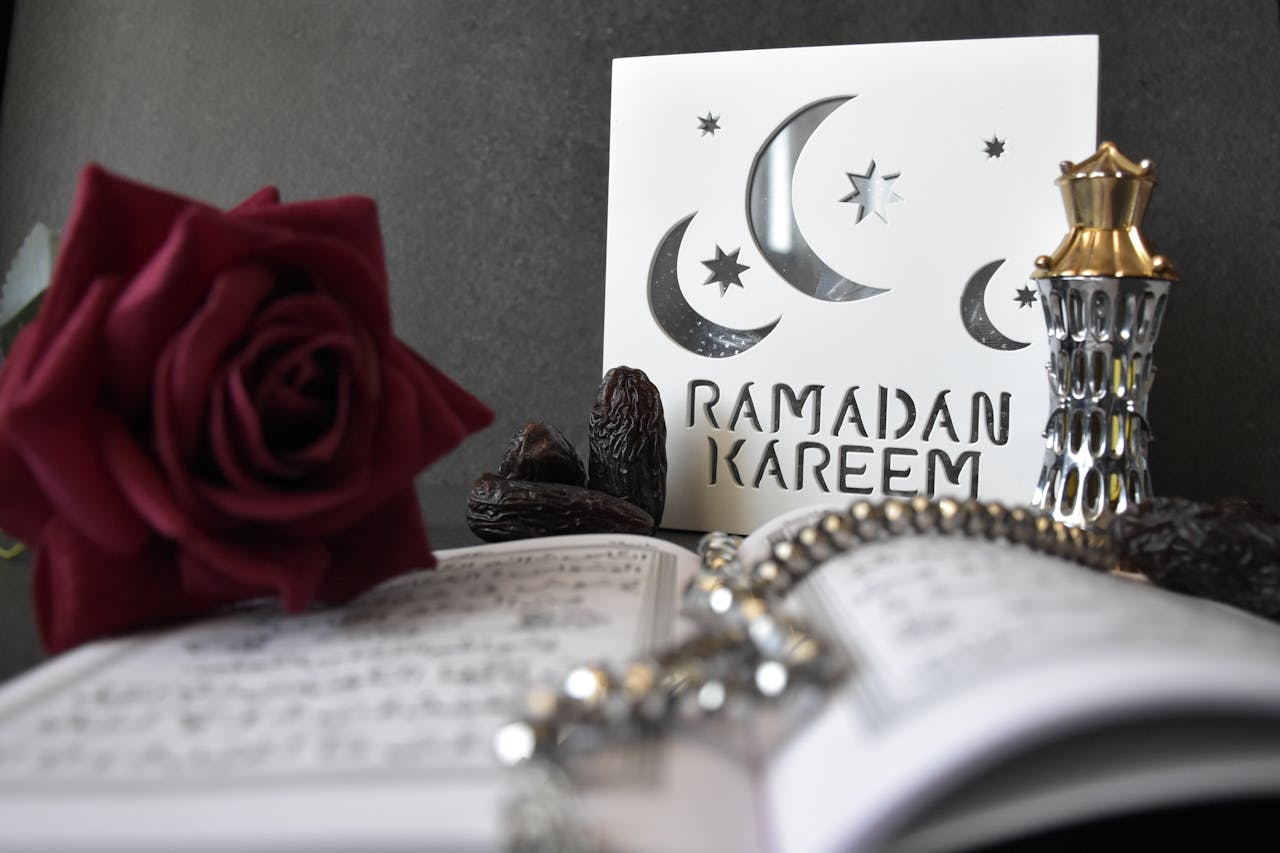
Duas are very important during Ramadan because this month is a time for Allah’s mercy to increase. Fasting is not just a physical exercise, but it is also a spiritual training. It is important to cleanse the heart by abstaining from food and drink, asking for forgiveness for past mistakes, and praying for a better future.
A hadith states that Ramadan is the month when Allah listens more closely to the prayers of His servants. Reading the Quran, praying, or giving charity all bring greater rewards. Supplications during this month strengthen the heart and bring an inner peace that is difficult to describe.
Common Ramadan Duas
Here are some important duas that every Muslim can recite during Ramadan:
1. Dua to start fasting
Recite this dua before starting the fast in the morning:
“O Allah, I intend to fast tomorrow for Your pleasure. Grant me patience and sincerity to fast.”
This dua is for the spiritual start of the day and reminds us that fasting is not just about abstaining from food, but also about avoiding bad speech, backbiting, or anger.
2. Iftar Prayer
It is Sunnah to recite this supplication when breaking the fast in the evening:
“O Allah, I have fasted today for You, I believe in You, and I break my fast with Your provision.”
This supplication is a gratitude for the blessing of food and the strength to fast.
3. Forgiveness Prayer
Ramadan is the best time to ask for forgiveness for past mistakes. This supplication cleanses the heart and soul:
“O Allah, forgive me, have mercy on me, guide me, and protect me from sins and evils.”
It is very important to recite prayers from the heart and resolve to improve one’s life with good intentions. Ramadan offers an opportunity for a new beginning.
4. Guidance Prayer
Asking for guidance is very important in Ramadan:
“O Allah, guide me to the truth and protect me from error. Strengthen my faith and increase my knowledge.”
This supplication helps in spiritual growth and ensures that the decisions made during Ramadan are correct.
5. Prayer for health and sustenance
While fasting, physical fatigue is felt, so it is natural to pray for health and sustenance:
“O Allah, grant me health, sustenance, and strength to worship.”
This prayer helps to create physical and spiritual balance.
The Importance of Night Prayers
The nights of Ramadan, especially Laylat al-Qadr, are of great importance. Laylat al-Qadr falls in the last ten days of Ramadan, and worshipping this night is better than a thousand months.
During these nights, believers pray fervently, recite the Quran, and make personal supplications. Some of the supplications are:
“O Allah, You are the Most Forgiving. Forgive my sins, accept my worship, and grant me Your mercy.”
“O Allah, bless me, my family, and the entire Ummah. Protect us from harm and guide us to Your path.”
These nights are very special. Sitting quietly, listening to the Quran and contemplating the purpose of life brings the heart closer to Allah.
Personalize Your Prayers
It is important to recite proven prayers, but your own personal prayers are also very powerful. You can pray to Allah for anything, such as:
-
Success in education or work
-
Patience in difficulties
-
Health and happiness for the family
-
Peace and safety for the community
The most important thing is sincerity. Pray from the heart because Allah hears every prayer.
Tips for Prayers in Ramadan
-
Set a time every day: Pray after every prayer or before Suhoor and Iftar.
-
Reflect on the meaning: Do not just recite the prayer, read it with understanding.
-
Keep a journal: Write down your prayers and intentions.
-
Use the Quran: Read verses from the Quran as prayers.
-
Pray for others: Pray for family, friends, or strangers, the blessings increase.
Also Read: Sunnah Prayer List: Easy Step-by-Step Guide for Daily Prayers
Summary
Ramadan is not just a month of fasting, but of spiritual renewal, reflection, and sincerity of intention. Ramadan prayers are a great way to draw closer to Allah, seek forgiveness, and express gratitude. Whether it is a prayer to start the fast, a prayer for forgiveness, or a special prayer for Laylat al-Qadr, every word carries great significance.
The experience of Ramadan, whether in the mosque or at home, leaves a deep impression on the heart. This month teaches the importance of patience, gratitude, and love. Through prayers, Muslims emerge from Ramadan spiritually refreshed, wiser, and closer to Allah.
FAQs
What duas to recite in Ramadan?
Common Ramadan duas include:
-
Dua before starting the fast
-
Dua for breaking the fast (Iftar)
-
Dua for forgiveness
-
Dua for guidance
-
Dua for health and sustenance
What are the five duas?
The five important duas often recited are:
-
Dua to start fasting
-
Iftar prayer
-
Forgiveness prayer
-
Guidance prayer
-
Prayer for health and sustenance
What does “dua” mean in Islam?
Dua means supplication or prayer, a personal request to Allah, asking for guidance, blessings, or forgiveness.
What dua to say when fasting?
Before starting the fast:
“O Allah, I intend to fast tomorrow for Your pleasure. Grant me patience and sincerity to fast.”
Q5. Which dhikr 1000 times?
Reciting “SubhanAllah” (Glory be to Allah), “Alhamdulillah” (All praise is for Allah), or “La ilaha illallah” (There is no god but Allah) 1000 times is recommended for increased blessings and spiritual reward.
If you wish to learn the Quran online or enroll in one of our Quran courses, click below and start your learning journey today.
Explore Our Courses →