Sunnah Prayer List
One day, I was sitting at home thinking about the state of my heart. I realized how much Sunnah prayers play in our spiritual journey. These prayers are not obligatory, but their rewards are immense. Sunnah prayers take us closer to Allah, give peace to the heart, and become a source of spiritual blessings along with obligatory prayers.
When I included Sunnah prayers in my daily life, I felt peace, patience, and focus in my heart throughout the day. These prayers are not just worship, but also a kind of training of the heart and soul.
What are Sunnah prayers?
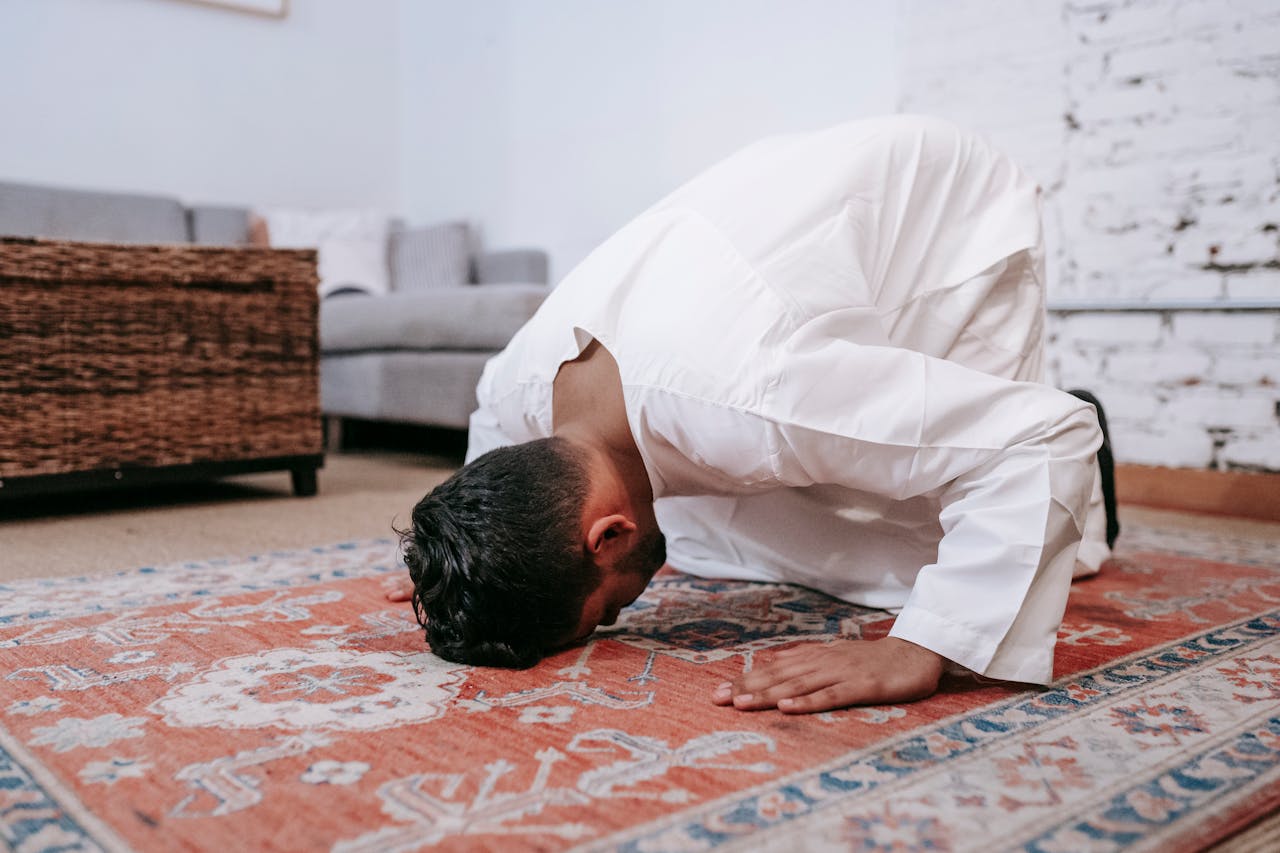
Sunnah prayers are the Nafl or optional prayers that the Holy Prophet (peace and blessings of Allah be upon him) always performed. They are not obligatory, but a great blessing for the one who performs them.
Sunnah prayers are a means of training the heart and soul. They teach us that not only obligatory prayers but also additional worship and worship of Allah from the heart are also necessary.
Sunnah prayers are more flexible than obligatory prayers. They can be recited at different times of the day, and give us the opportunity to pray for Allah’s forgiveness, guidance, and spiritual peace.
The Importance of Sunnah Prayers
When I started reciting Sunnah prayers regularly, I felt that many things in my life had improved. My heart became calmer, my patience increased, and my focus became more focused throughout the day.
Sunnah prayers give us many spiritual and practical benefits:
-
Completion of obligatory prayers: Sunnah prayers make up for the deficiency of obligatory prayers.
-
Spiritual growth: They develop patience, forbearance, and humility.
-
Reward and forgiveness: Sunnah prayers are a source of Allah’s mercy and forgiveness.
-
Observance and order: Sunnah prayers create punctuality and order in daily life.
I felt in my daily life that Sunnah prayers not only benefit the soul but also make the heart calm and life easier.
Types of Sunnah Prayers
There are different types of Sunnah prayers, and each type has its own time and number. We understand them in a simple way:
1. Sunnah Mu’akkadah (Major Sunnah)
These are the prayers that the Prophet (peace and blessings of Allaah be upon him) always performed regularly. It is highly recommended to perform them and they have great rewards.
Examples:
-
2 rak’ahs before Fajr: This prayer is the best start to the day and its reward is very high.
-
4 rak’ahs before Zuhr and 2 rak’ahs after it: These create peace and concentration in the middle of the day.
-
2 rak’ahs after Maghrib: The best time to give thanks for the day.
-
2 rak’ahs after Isha: The best time to prepare spiritually for the night and seek forgiveness from Allah.
2. Sunnah Ghair Mu’akkadah (Optional Sunnah)
These prayers are optional but they bring great rewards. They are not too strict, and are more flexible in terms of time.
Examples:
-
Extra rak’ahs before Zuhr
-
Extra prayers after Asr or Isha
-
Vaccinary prayers at night (other than Tahajjud or Witr)
3. Sunnah Rawatb
Rawatb are sunnah prayers that are associated with obligatory prayers. They are performed before or after the obligatory prayers.
Example: 2 rak’ahs before Fajr or 4 rak’ahs before Zuhr. It is highly recommended to perform these prayers regularly.
4. Tahajjud (Night Prayer)
Tahajjud is performed late at night. It is the most spiritual prayer. Even two rak’ahs performed from the heart are highly rewarding.
The time of Tahajjud prayer is the best for sincere supplication of the heart and getting closer to Allah. I have found that after Tahajjud, both the heart and mind become calm.
5. Witr
Witr prayer is performed at the end of the night. It is always prayed in odd numbers, i.e. 1, 3, 5, 7, 9 or 11 rak’ahs.
This prayer was emphasized by the Holy Prophet (peace and blessings of Allah be upon him) and is highly recommended for every adult Muslim to pray.
6. Duha (additional morning prayer)
Duha prayer is performed after sunrise and before Zuhr. This prayer can be performed in 2 to 8 rak’ahs.
This prayer is very important for sustenance and blessings. Performing it in the morning increases the energy of the day and brings peace to the heart.
Also Read: Zakat and Modern Finance. The Ultimate Guide to Smart Islamic Wealth Management
How to perform Sunnah prayer?
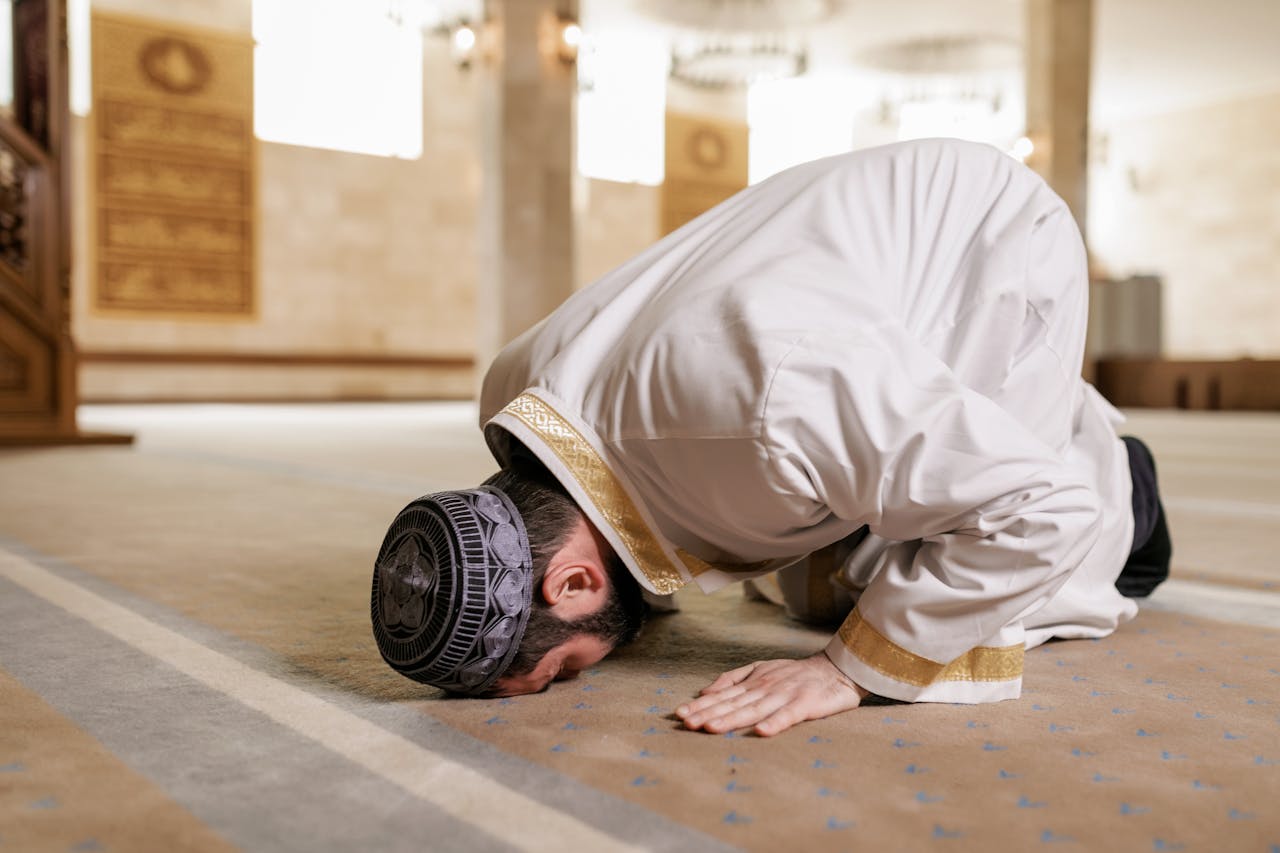
Sunnah prayer is similar to Fard prayer, but it requires concentration and sincerity from the heart.
Method:
-
Perform ablution
-
Make the intention in your heart: “I will perform Sunnah prayer for Allah”
-
Perform rak’ahs
-
Recite another surah after Surah Fatiha in each rak’ah
-
Supplicate after the prayer: Ask Allah for guidance, forgiveness and blessings
Even a few rak’ahs are more rewarding if performed consistently, more rak’ahs are better than performing irregularly.
Benefits of Sunnah Prayer
-
Peace and tranquility to the heart
-
Forgiveness of minor sins
-
Strengthening faith
-
Punctuality and discipline in life
Common misconceptions
-
Some people skip Sunnah prayers because they are not obligatory
-
Some people think that it will take more time
The fact is that even just two rak’ahs recited by heart are very rewarding.
How to make Sunnah prayers a habit?
-
Start easy: 2 rak’ahs of Fajr, 2 rak’ahs after Maghrib
-
Set a reminder: from a mobile or app
-
Combine with obligatory prayers
-
Remember the reward and take it to heart
Reciting a few rak’ahs daily is better than constant and uncounted rak’ahs.
Conclusion
Sunnah prayers improve spiritual life. They are not just worship, but a means of training the heart, peace, and getting closer to Allah.
Fajr Sunnah, Dua, Tahajjud, or Witr, every prayer brings you closer to Allah and brings blessings to life. Recite a few rak’ahs daily, soothe the heart and soul, and bring order and peace to life.
FAQs
1. Which are the 12 Sunnah prayers?
The 12 Sunnah prayers usually refer to the emphasized (Mu’akkadah) Sunnah prayers linked to the five daily Salah:
-
Fajr: 2 Rak’ahs before
-
Dhuhr: 4 Rak’ahs before + 2 after
-
Asr: Optional, 4 before
-
Maghrib: 2 after
-
Isha: 2 after
2. How to pray Sunnah prayers?
Perform Sunnah prayers like regular Salah:
-
Make wudu
-
Formulate Niyyah (intention) in your heart
-
Perform the required Rak’ahs
-
Recite Surah Al-Fatihah + another Surah in each Rakat
-
Finish with Dua
3. What are the Sunnah prayers for each Salah?
-
Fajr: 2 Rak’ahs before
-
Dhuhr: 4 before, 2 after
-
Asr: 4 before (optional)
-
Maghrib: 2 after
-
Isha: 2 after
4. Is Sunan Abi Dawud authentic?
Yes, Sunan Abi Dawud is considered one of the six major Hadith collections (Kutub al-Sittah) and is authentic for most rulings, though scholars verify each Hadith individually.
If you wish to learn the Quran online or enroll in one of our Quran courses, click below and start your learning journey today.
Explore Our Courses →