Islamic Calendar Months Explained: A Complete Guide to the Hijri Year
The Twelve Months of the Islamic Calendar
The Islamic calendar months form the backbone of religious life for over a billion Muslims around the world. Known formally as the Hijri calendar, this lunar system determines when Ramadan begins, when Hajj is performed, and when major Islamic holidays such as Eid al-Fitr and Eid al-Adha take place. Unlike the Gregorian calendar that most of the world uses for daily business, the Islamic calendar months are tied entirely to the phases of the moon, which gives them a unique rhythm that shifts slightly every year against the solar calendar.
Understanding the Islamic calendar months is not just a matter of memorizing twelve names. Each month carries its own history, linguistic meaning, and spiritual weight. Some are marked by worship and reflection, others by travel, truce, or pilgrimage. In this guide, we will walk through every one of the twelve Hijri months in order, explain what each name means, and highlight why this calendar continues to shape Muslim life today.
What Is the Islamic Calendar?
The Islamic calendar, also called the Hijri calendar, is a purely lunar calendar made up of twelve months. Each month begins with the sighting of the new crescent moon, which means a month can last either twenty nine or thirty days depending on lunar visibility. Because twelve lunar cycles add up to roughly three hundred fifty four or three hundred fifty five days, the Islamic year is shorter than the solar year by about ten to eleven days. This is why Ramadan, Hajj, and other Islamic observances appear to move backward through the Gregorian seasons year after year.
The starting point of this calendar is the Hijrah, the migration of Prophet Muhammad from Makkah to Madinah in 622 CE. This event marked the founding of the first Muslim community and gave the calendar its name. Dates in this system are followed by the abbreviation AH, which stands for Anno Hegirae, meaning the year of the Hijrah. It is worth noting that the names of the Islamic calendar months themselves existed long before Islam, having been used by pre-Islamic Arab tribes to mark seasons, travel periods, and tribal truces. Islam preserved these original names while attaching new religious meaning to them.
The Twelve Islamic Calendar Months in Order
Below is the complete list of the Islamic calendar months in their proper sequence, along with their meanings and significance.
1. Muharram
Muharram opens the Islamic year and is one of the four sacred months mentioned in the Quran. The word itself means forbidden, referring to the prohibition of warfare and fighting during this period. The tenth day of Muharram, known as Ashura, holds deep significance for Muslims and is observed with fasting and remembrance.
2. Safar
Safar is the second month and its name translates to empty. In pre-Islamic Arabia, homes would often stand empty during this time as tribes left to travel or raid neighboring lands. Today, Safar carries no specific rituals but remains part of the broader Hijri sequence.
3. Rabi al-Awwal
Rabi al-Awwal means the first spring and is widely recognized as the month in which Prophet Muhammad was born, an event commemorated by many Muslims through gatherings, recitations, and reflections on his life and character.
4. Rabi al-Thani
Also called Rabi al-Akhir, this fourth month means the second spring. It continues the seasonal naming pattern of its predecessor and was historically associated with the latter part of the spring season in the Arabian Peninsula.
5. Jumada al-Awwal
Jumada al-Awwal, sometimes written as Jumada al-Ula, refers to dryness or frozen ground. The name likely points to a period when water sources would freeze or dry up in the region where the calendar originated.
6. Jumada al-Thani
Jumada al-Thani, also known as Jumada al-Akhirah, is the second of the paired Jumada months and shares the same linguistic root tied to dry or frozen land.
7. Rajab
Rajab is the third of the four sacred months and its name relates to honor and respect. Pre-Islamic Arabs would remove the metal heads from their spears during this month as a sign of ceasing hostilities. Rajab is also linked to the night journey known as Isra and Mi’raj.
8. Shaban
Shaban means scattered or dispersed, referring to tribes spreading out in search of water and resources during this period. It directly precedes Ramadan and is often used by Muslims to prepare spiritually for the fasting month ahead.
9. Ramadan
Ramadan is the ninth and most widely recognized of the Islamic calendar months. Its name comes from an Arabic root meaning intense heat, symbolizing the burning away of sins through fasting and devotion. This is the month in which the Quran was revealed, and Muslims observe a complete fast from dawn until sunset, accompanied by increased prayer, charity, and recitation.
10. Shawwal
Shawwal means to lift or raise and follows immediately after Ramadan. Eid al-Fitr, the festival marking the end of the fasting month, falls on the first day of Shawwal and is celebrated with communal prayer, feasting, and gift giving.
11. Dhu al-Qadah
Dhu al-Qadah is the second of the four sacred months in this latter stretch of the year. Its name means the month of sitting or truce, since fighting was suspended and tribes would settle in preparation for the upcoming pilgrimage season.
12. Dhu al-Hijjah
Dhu al-Hijjah closes the Islamic year and is the month of pilgrimage. It is during this month that millions of Muslims travel to Makkah to perform Hajj, one of the five pillars of Islam. The tenth day of Dhu al-Hijjah marks Eid al-Adha, commemorating the willingness of Prophet Ibrahim to sacrifice his son in obedience to God.
Also Read: How to Motivate Children to Learn the Quran and Love It for Life
The Four Sacred Months
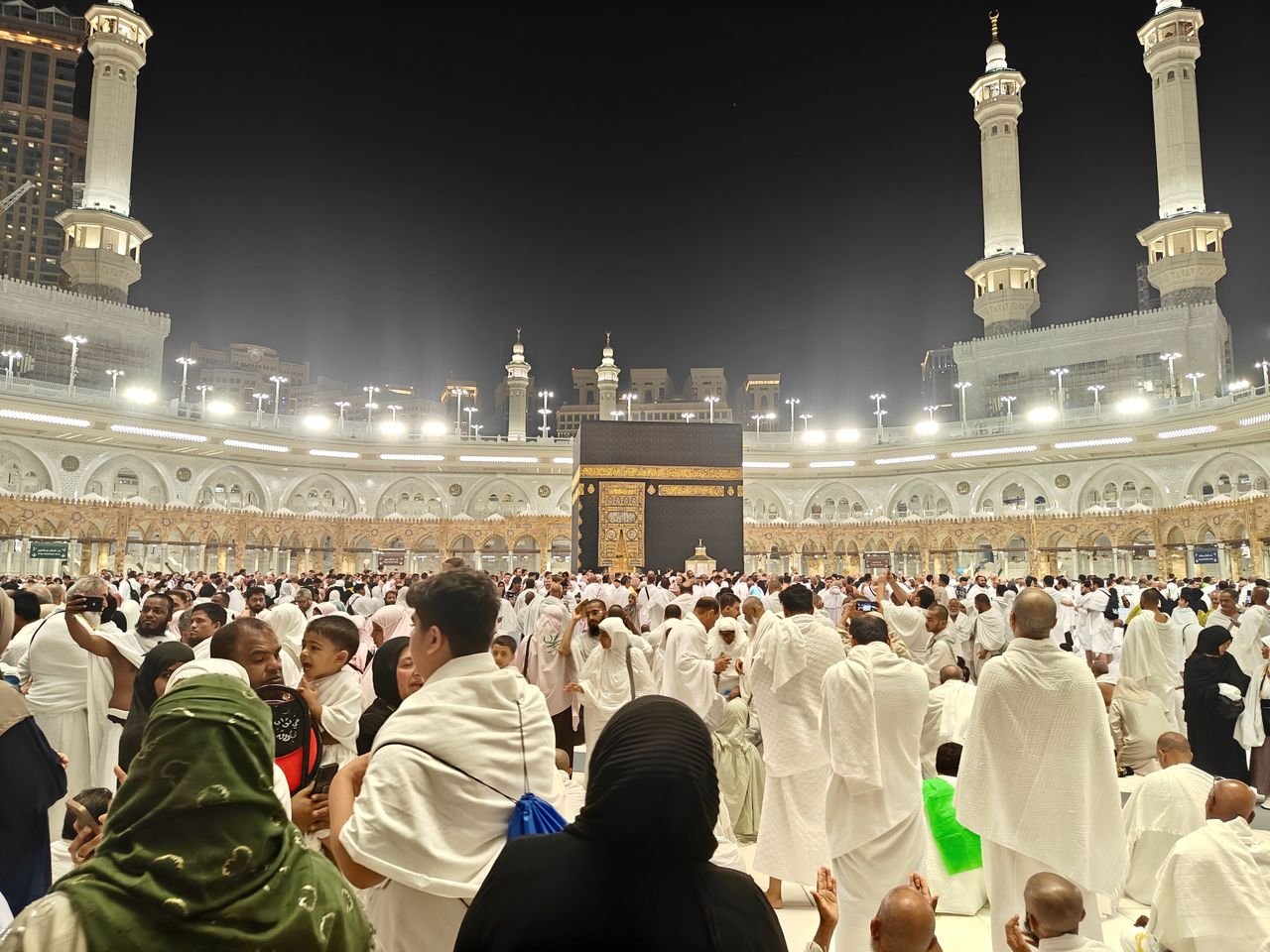
Among the twelve Islamic calendar months, four are designated as sacred in the Quran: Muharram, Rajab, Dhu al-Qadah, and Dhu al-Hijjah. During these months, warfare was traditionally forbidden, and acts of worship were believed to carry greater spiritual reward. Three of these sacred months, Dhu al-Qadah, Dhu al-Hijjah, and Muharram, fall consecutively at the turn of the year, while Rajab stands alone roughly midway through the calendar. This arrangement gave ancient Arabian tribes a recurring period of peace that allowed safe travel, trade, and pilgrimage even amid ongoing conflicts.
Why the Islamic Calendar Months Shift Every Year
Because the Hijri calendar follows lunar cycles rather than the solar year, the Islamic calendar months drift earlier by approximately ten to eleven days each Gregorian year. Over a period of roughly thirty three years, this drift causes the months to cycle completely through all four seasons. This is why Ramadan can fall in the summer one decade and in the winter or spring another. For Muslims, this rotation means that fasting, pilgrimage, and other observances are experienced across varying climates and day lengths over the course of a lifetime, which is often viewed as a test of equality and devotion regardless of external conditions.
The Religious and Cultural Importance of the Hijri Calendar
The Islamic calendar months are far more than a method of tracking dates. They organize the spiritual rhythm of the entire Muslim world, dictating when fasting begins, when pilgrimage is performed, and when major religious holidays are observed. Mosques, religious institutions, and Muslim communities across different countries rely on this lunar system to coordinate worship on a unified timeline, even though the calendar predates Islam itself.
The preservation of the original month names by early Muslims reflects a broader pattern in Islamic tradition, where pre-existing customs were retained and reinterpreted with deeper religious significance rather than discarded. This connects the modern Hijri calendar to the linguistic and cultural heritage of ancient Arabia while anchoring it firmly within Islamic practice.
Final Thoughts
The Islamic calendar months, from Muharram through Dhu al-Hijjah, represent a rich blend of history, language, and faith. Each name tells a story rooted in the seasons, travels, and truces of early Arabian life, while carrying forward sacred meaning within Islam. Whether marking the fasting of Ramadan, the pilgrimage of Dhu al-Hijjah, or the quiet reflection of Muharram, these twelve months continue to shape how millions of people experience time, worship, and community across the globe.
FAQs
What are the 12 months in the Islamic calendar?
The 12 Islamic months are: Muharram, Safar, Rabi al-Awwal, Rabi al-Thani, Jumada al-Awwal, Jumada al-Thani, Rajab, Sha’ban, Ramadan, Shawwal, Dhu al-Qi’dah, and Dhu al-Hijjah.
Do Muslims go to bed early?
Many Muslims try to sleep early, especially to wake up for the Fajr prayer, though sleep habits vary from person to person.
What are the 12 months of the Islamic calendar 2026?
The Islamic calendar in 2026 has the same 12 months: Muharram, Safar, Rabi al-Awwal, Rabi al-Thani, Jumada al-Awwal, Jumada al-Thani, Rajab, Sha’ban, Ramadan, Shawwal, Dhu al-Qi’dah, and Dhu al-Hijjah.
Do Muslims have a holiday like Christmas?
Yes. Muslims celebrate two major religious holidays: Eid al-Fitr and Eid al-Adha, which are the most important Islamic festivals.
If you wish to learn the Quran online or enroll in one of our Quran courses, click below and start your learning journey today.
Explore Our Courses →
