Was Abraham A Prophet In Islam? The Complete Truth Behind Ibrahim’s Role
Was Abraham A Prophet In Islam?
Why This Question Still Sparks So Much Curiosity
Millions of people search for was Abraham a prophet in Islam every year, and it makes sense why.
Abraham is a towering figure in Judaism, Christianity, and Islam. But his exact role, status, and story differ across these traditions.
If you have ever wondered how Islam views this patriarch, you are about to get a clear, well-researched answer. This article breaks down everything the Quran and Islamic scholarship say about him.
Was Abraham A Prophet In Islam? The Direct Answer
Yes. Abraham, known as Ibrahim in Arabic, is one of the most honored prophets in Islam.
He is not just a prophet. He holds one of the highest ranks among all messengers sent by God.
Muslims consider him:
- A Nabi (prophet who received revelation)
- A Rasul (messenger sent with a specific message to his people)
- Khalilullah, meaning “the close friend of God”
- The spiritual father of prophethood, since many later prophets descended from his lineage
His name appears in the Quran more than any other prophet except Moses. This alone shows his central importance in Islamic theology.
Ibrahim’s Status Among the Major Prophets
Islam recognizes a group of prophets known as Ulul Azm, or “Prophets of Strong Will.” These are the messengers who faced the greatest trials and showed extraordinary patience.
The five Ulul Azm prophets are:
- Nuh (Noah)
- Ibrahim (Abraham)
- Musa (Moses)
- Isa (Jesus)
- Muhammad (peace be upon them all)
Ibrahim’s inclusion in this elite group confirms his elevated rank. He is not a minor figure mentioned in passing. He is a cornerstone of Islamic prophetic history.
What the Quran Says About Abraham
The Quran dedicates extensive attention to Ibrahim’s life, struggles, and unwavering faith. An entire chapter, Surah Ibrahim (Chapter 14), carries his name.
He is also mentioned prominently in Surah Al-Baqarah, Surah Al-Anbiya, Surah As-Saffat, and Surah Maryam.
Key Themes in Ibrahim’s Quranic Story
1. His rejection of idol worship
The Quran describes how Ibrahim questioned his father and community about worshipping lifeless idols. He famously broke the idols in his town as a demonstration of their powerlessness, then challenged the people to reflect on their own beliefs.
2. His search for the one true God
Before receiving revelation, Ibrahim is described observing the stars, the moon, and the sun, initially wondering if any of these could be his Lord. He ultimately recognized that only the Creator of the heavens and earth deserved worship.
3. His trial with fire
When Ibrahim’s people could not counter his arguments, they threw him into a blazing fire. The Quran states that God commanded the fire to be cool and safe for him, and he emerged unharmed.
4. His migration for the sake of faith
Ibrahim left his homeland to preserve his monotheistic belief, settling eventually in the land associated with Palestine and later traveling to what is now Makkah.
5. His test with his son
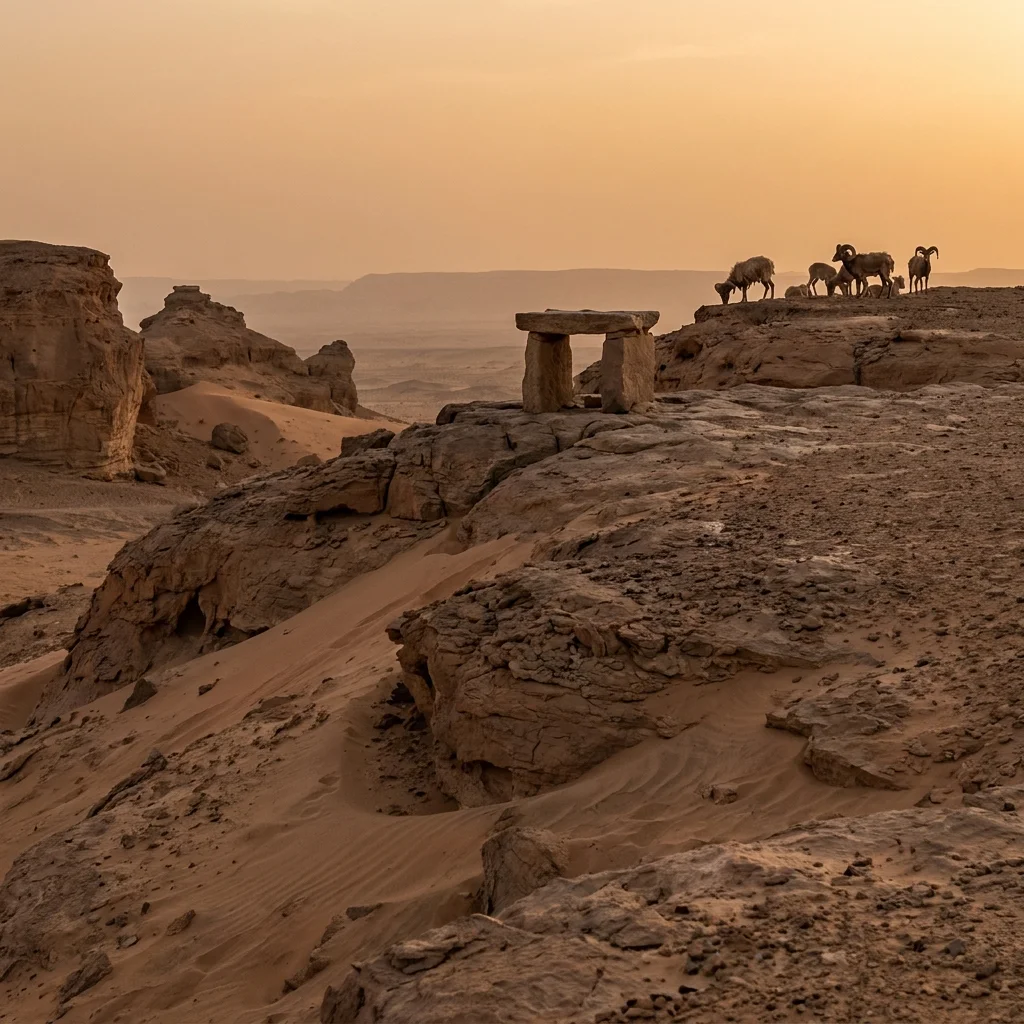
One of the most significant events is Ibrahim’s vision instructing him to sacrifice his son. Both father and son submitted to this command as an act of obedience to God. Before the sacrifice could occur, God provided a ram as a substitute.
This event forms the foundation of the Islamic festival of Eid al-Adha, observed by Muslims worldwide.
Ibrahim and the Construction of the Kaaba
One of the most distinctive elements of Ibrahim’s story in Islam, compared to other Abrahamic traditions, is his connection to the Kaaba in Makkah.
According to the Quran, Ibrahim and his son Ismail raised the foundations of the Kaaba together, dedicating it as a house of worship for the one God.
This detail is central to Islamic identity because:
- Muslims face the Kaaba during their five daily prayers
- The annual Hajj pilgrimage retraces steps connected to Ibrahim and his family
- Ibrahim’s prayer for a righteous messenger to arise from his descendants is understood by Muslims to foreshadow the coming of Prophet Muhammad
Ibrahim’s Family Line in Islamic Belief
Ibrahim’s importance extends beyond his own prophethood. Islam teaches that he became the patriarch of a long chain of prophets through his two sons.
- Through Ismail, his lineage eventually led to Prophet Muhammad
- Through Ishaq (Isaac), his lineage led to prophets such as Yaqub (Jacob), Yusuf (Joseph), Musa (Moses), and Isa (Jesus)
Because of this, Ibrahim is often described as the father of monotheistic prophethood across the Abrahamic traditions.
Why Muslims Call Him “Khalilullah”
The title Khalilullah, or “Friend of God,” is unique to Ibrahim in Islamic tradition. No other prophet carries this exact designation in the Quran.
This title reflects the depth of his devotion, his willingness to sacrifice comfort and family ties for his faith, and his complete trust in God during extreme trials.
Scholars often highlight that this friendship was earned through consistent obedience, patience, and sincerity rather than given without effort.
Ibrahim’s Role in Daily Muslim Practice
Many people are surprised to learn how often Ibrahim is mentioned in everyday Islamic worship. His name is not confined to historical texts. It appears in regular acts of devotion.
- In the Tashahhud, recited during every prayer, Muslims send blessings upon Muhammad “as You sent blessings upon Ibrahim and the family of Ibrahim”
- The Maqam Ibrahim, or Station of Abraham, near the Kaaba is mentioned in the Quran as a place of prayer
- The rituals of Hajj, including walking between Safa and Marwah and the symbolic stoning of pillars, are tied to events from Ibrahim’s family’s life
This shows that Ibrahim’s legacy is woven into the daily and annual practices of over a billion Muslims.
Also Read: How Was The Universe Created According To Allah?
Common Misunderstandings About Abraham in Islam
Some readers researching was Abraham a prophet in Islam come across confusion, especially if they are comparing Islamic, Christian, and Jewish narratives. Here are a few clarifications.
Misunderstanding 1: Ibrahim Was Only a Patriarch, Not a Prophet
In Islamic theology, Ibrahim was not merely a tribal ancestor. He received direct revelation, performed miracles by God’s permission, and was tasked with delivering a message to his people.
Misunderstanding 2: The Son Nearly Sacrificed Was Isaac
Islamic tradition generally holds that the son involved in the trial of sacrifice was Ismail, not Isaac. This differs from the account found in the Bible.
Misunderstanding 3: Ibrahim’s Story Is Identical Across All Three Faiths
While there is overlap, the Quranic narrative includes distinct details, such as the destruction of idols, the specific dialogue with his father, and his direct role in building the Kaaba.
Key Takeaways on Ibrahim’s Prophethood in Islam
- Ibrahim is confirmed as a prophet and messenger in the Quran
- He belongs to the Ulul Azm, the five prophets of the greatest resolve
- He is given the unique title Khalilullah, Friend of God
- He built the Kaaba with his son Ismail
- His trials, including the fire and the sacrifice, are foundational Islamic narratives
- His descendants include many other major prophets recognized in Islam
- His legacy continues through daily prayers and the annual Hajj pilgrimage
Final Thoughts
So, was Abraham a prophet in Islam? The answer is unmistakably yes, and his rank goes far beyond a simple mention in scripture.
Ibrahim stands as one of the most revered and influential prophets in the Islamic tradition. His unwavering monotheism, his trials, and his legacy through the Kaaba and his prophetic descendants make him a permanent fixture in Muslim faith and practice.
Understanding his story offers valuable insight into the shared roots of the Abrahamic faiths, while also showing what makes the Islamic perspective distinct.
FAQs
1. Was Abraham a prophet in Islam or only a patriarch?
Abraham, known as Ibrahim, is recognized in Islam as a full prophet and messenger who received direct revelation from God, not merely a historical ancestor.
2. What is Abraham called in Islam?
He is known as Ibrahim in Arabic and is also given the honorific title Khalilullah, meaning Friend of God.
3. Which son did Ibrahim almost sacrifice according to Islam?
Islamic tradition holds that the son involved in the trial of sacrifice was Ismail, in contrast to the account found in the Bible.
4. Did Ibrahim build the Kaaba in Islamic belief?
Yes, the Quran describes Ibrahim and his son Ismail raising the foundations of the Kaaba in Makkah as a house of worship for God.
5. Why is Ibrahim considered one of the greatest prophets in Islam?
He is included among the Ulul Azm, the five prophets of the strongest resolve, due to the severity of his trials and his complete devotion to God.
Sources and Official References
- The Quran, Surah Ibrahim (14): https://quran.com/14
- The Quran, Surah Al-Baqarah (2:124-127): https://quran.com/2/124-127
- The Quran, Surah As-Saffat (37:99-113): https://quran.com/37/99-113
- The Quran, Surah Al-Anbiya (21:51-73): https://quran.com/21/51-73
If you wish to learn the Quran online or enroll in one of our Quran courses, click below and start your learning journey today.
Explore Our Courses →
