December Umrah Guide: Everything You Need to Plan a Peaceful Winter Umrah
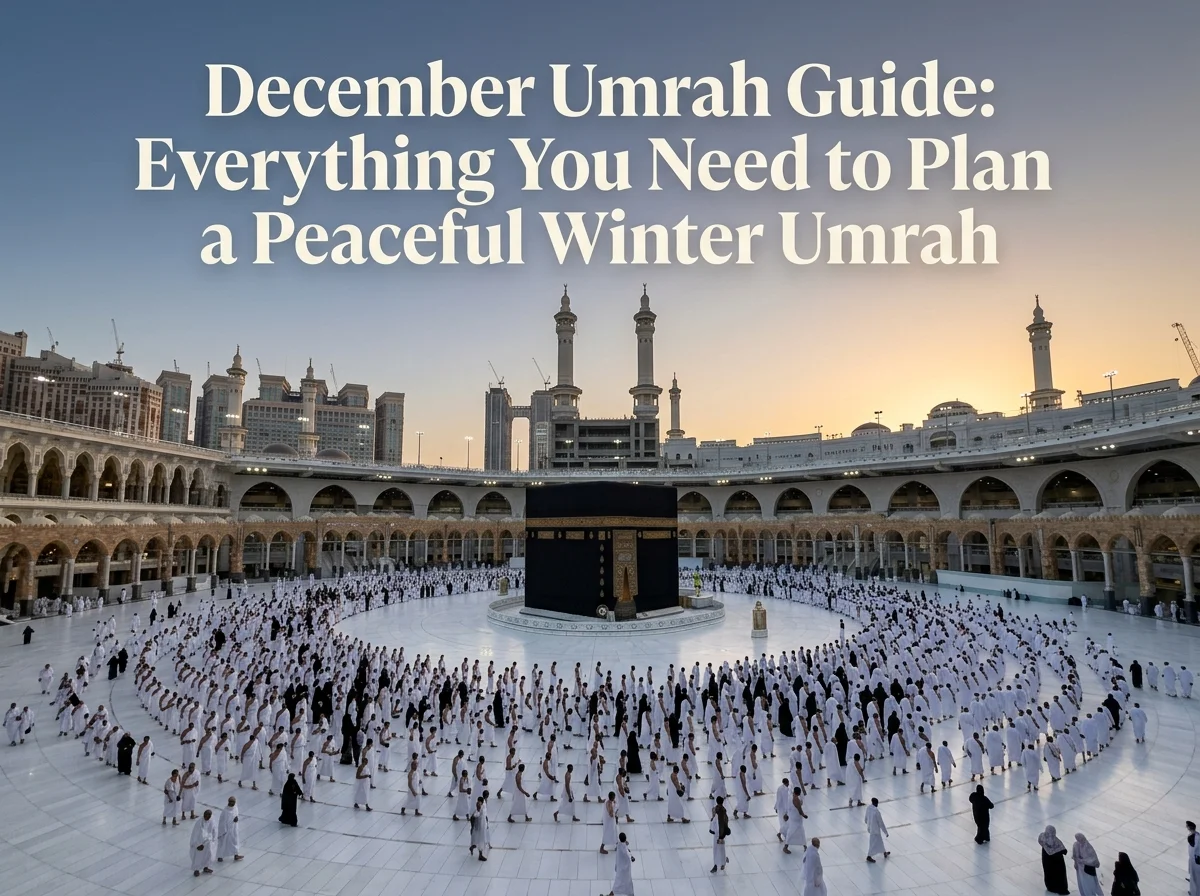
December Umrah Guide
Cool Air, Calmer Mataf, and a Journey Your Heart Remembers
Introduction
Few journeys change a person like Umrah, and few months make it as physically comfortable as winter. This December Umrah Guide is written for pilgrims who want to go in the cooler season and arrive prepared, not overwhelmed.
December sits in an interesting spot. The weather in Makkah is mild, the long walks between Safa and Marwa are easier, and the nights in Madinah invite quiet worship. At the same time, school holidays and the year-end break push crowds and prices up, so planning matters more than in many other months.
Below you will find a practical walkthrough: what December is really like in the Two Holy Cities, how to handle permits and bookings, what to pack, how to perform the rites step by step, and how to use your time wisely. Everything here is meant to help you focus on worship rather than logistics.
Why December Is a Popular Month for Umrah
Umrah is permitted throughout the year, and there is no special ritual rule that makes December different from any other month. The appeal is practical.
Main reasons pilgrims choose December:
- Comfortable temperatures compared with the intense heat of summer
- Longer nights that allow more time for Qiyam, Tahajjud, and Dua
- School and work holidays in many countries, which make family travel possible
- Easier physical effort during Tawaf and Sa’i, especially for elders
The Prophet (peace be upon him) said that Umrah to Umrah is an expiation for what lies between them. That reward is available in every month, so choose the time that lets you worship with the most focus and ease.
Is December Umrah Suitable for Everyone?
For most people, yes. Families with children, elderly parents, and first-time pilgrims often find the cooler air gentler on the body. However, if you strongly prefer a quieter Haram, you may want to aim for the weeks outside the holiday peak.
December Weather in Makkah and Madinah
Knowing the climate helps you pack correctly and plan your daily schedule.
Makkah in December
Daytime temperatures are usually warm but pleasant, often in the mid-twenties Celsius. Evenings and early mornings feel noticeably cooler. Occasional winter rain is possible, and a wet marble floor can be slippery, so wear sandals with a good grip.
Madinah in December
Madinah is cooler than Makkah. Nights can feel genuinely cold, especially around Fajr, when you may be sitting outdoors in the courtyards of Masjid an-Nabawi. A light jacket or shawl is useful.
Quick weather tips:
- Carry a light layer for Fajr and Isha
- Keep a small compact umbrella or rain jacket available
- Use moisturizer and lip balm, as the air can be dry
- Drink water regularly even when you do not feel thirsty
Crowds and Timing: What to Expect in December
This is the section most pilgrims ask about first. December can be busy, particularly toward the end of the month when international school breaks overlap.
Typical Crowd Patterns
- Fridays are the busiest day in both mosques
- Weekends and the days around public holidays see a visible increase
- Tawaf is usually calmest in the hours after Fajr when many people leave, and in the middle of the night
- Mid-morning and late afternoon are generally easier for Sa’i
Practical insight: Many pilgrims find that performing the main Umrah rites early in their stay, before the weekend rush, leaves the rest of the trip free for Salah, Quran recitation, and reflection.
Choosing Your Dates Wisely
If your schedule is flexible, early to mid December tends to be calmer than the last week of the month. If you must travel over the holiday period, book flights and hotels as early as possible.
Planning Essentials: Permits, Visa, and Bookings
Saudi Arabia has modernized the Umrah process, and much of it is now handled digitally. Rules change from time to time, so always confirm current requirements with the official Saudi channels before you travel.
Step 1: Secure Your Umrah Visa
Most pilgrims apply through an authorized Umrah service provider in their home country or through the official Saudi e-visa system. Check the visa validity period and the permitted length of stay on your document.
Step 2: Use the Official Nusuk Platform for Permits
Umrah permits and Rawdah visit slots are managed through the Nusuk system. Book your Umrah permit and your Rawdah time slot well in advance, since December slots fill quickly.
Step 3: Confirm Health Requirements
Saudi authorities have required certain vaccinations for Umrah, such as meningitis. Seasonal flu vaccination is commonly recommended, especially in winter. Check the latest health guidance from your country’s health authority and the Saudi Ministry of Health.
Step 4: Book Flights and Accommodation Early
December demand raises prices. Early booking gives you better choice and often better rates.
Accommodation checklist:
- Distance from the Haram (walking time matters more than star rating for many elders)
- Lift capacity during peak prayer times
- Shuttle or step-free access if you travel with a wheelchair user
- Heating or air-conditioning control, since indoor rooms can get cold in winter
Budgeting for a December Umrah
Costs vary by departure city, hotel distance, and travel style, so use this as a planning framework rather than a fixed price.
Main cost areas:
- Return flights (often the largest expense in December)
- Visa and service fees
- Hotels in Makkah and Madinah
- Local transport and airport transfers
- Food and Zamzam-related items
- Gifts, ziyarat trips, and an emergency fund
Money-saving tips:
- Travel in the first half of the month if dates are flexible
- Choose a hotel a short walk away rather than directly facing the Haram
- Eat at local restaurants instead of hotel buffets every day
- Carry some Saudi riyals in small notes for taxis and small purchases
What to Pack for a December Umrah
Smart packing saves you stress and keeps you comfortable.
Essentials for Everyone
- Two sets of Ihram for men (unstitched white sheets) and a belt that is permitted
- Modest, loose clothing for women, with a lightweight outer layer
- Comfortable walking shoes and a pair of easy-to-remove sandals
- A small bag or shoe bag to carry footwear into the mosque
- Prayer beads or a counter for Dhikr
- A pocket-sized Quran and a Dua booklet
Winter-Specific Items
- Light jacket, scarf, and socks for Madinah nights
- Compact umbrella or rain poncho
- Moisturizer, lip balm, and unscented skin care (scented products are restricted while in Ihram)
- A reusable water bottle
- A small prayer mat that is easy to carry
Important Documents and Health Items
- Passport and printed copies of visa, permits, and bookings
- Personal medications in original packaging with a doctor’s note if needed
- Basic first aid, blister plasters, and pain relief
- A phone with a charged power bank
How to Perform Umrah: A Clear Step-by-Step Walkthrough
Whether you travel in December or any other month, the rites are the same. Review them before you arrive so you can perform them calmly.
1. Enter the State of Ihram
Make the intention for Umrah at the Miqat or according to the instructions you receive for your route. Men wear the two white sheets, and women wear regular modest clothing without face veil or gloves, as the rules of Ihram specify. Begin reciting the Talbiyah.
2. Tawaf Around the Kaaba
Perform seven circuits, starting at the Black Stone line with the Kaaba on your left. Men uncover the right shoulder (Idtiba) during this Tawaf. Pray two rak’ahs behind the Maqam Ibrahim if possible, or anywhere in the mosque if it is crowded.
December tip: If the Mataf is busy, the upper floors and rooftop offer a calmer, though longer, Tawaf.
3. Drink Zamzam
Drink Zamzam and make Dua. It is a blessed practice for pilgrims, and in cooler weather you may be able to take your time at the dispensers.
4. Sa’i Between Safa and Marwa
Walk seven laps, beginning at Safa and ending at Marwa. Men may briskly walk between the green markers. Sa’i is easier in winter because the covered, air-conditioned corridor is comfortable and not overly hot.
5. Shave or Trim the Hair
Men shave the head (Halq) or trim (Taqsir). Women trim a fingertip length from the ends of their hair. After this, Umrah is complete and the restrictions of Ihram are lifted.
Note: If you are unsure about any rule, ask a trusted scholar or your group’s qualified guide before you travel and during the trip.
Making the Most of Madinah in December
Most itineraries include Madinah, and December’s cooler nights make it a special time to be there.
Masjid an-Nabawi and the Rawdah
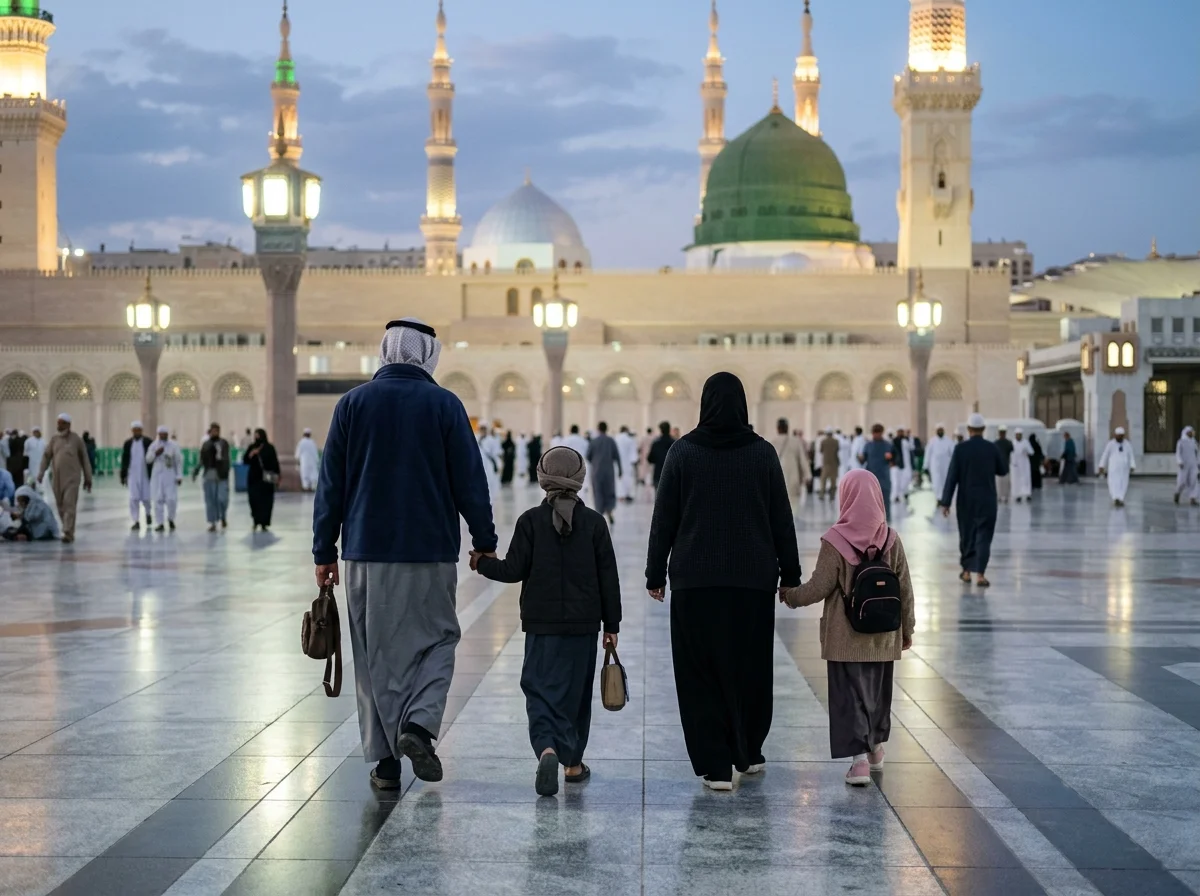
Send Salam upon the Prophet (peace be upon him) and offer Salah in the blessed mosque. The Rawdah is visited through the booking system, with specific timings for men and women. Arrive early and follow the staff instructions respectfully.
Recommended Places for Ziyarat
- Masjid Quba, where a two-rak’ah prayer after purification is recommended in authentic narrations
- Mount Uhud and the martyrs’ cemetery, a place for reflection and Dua
- Masjid al-Qiblatayn, linked with the change of the Qiblah
- Baqi’ cemetery from the designated visiting area
Practical Madinah Tips
- Plan Fajr early, as courtyards fill quickly
- Wear warm layers for open-air prayer areas in the early morning
- Keep your Rawdah slot confirmation accessible on your phone
- Avoid rushing, as the atmosphere of Madinah rewards slow worship
Also Read: Single Parent Advice in Islam: A Faith-Based Guide to Raising Strong Children Alone
Optional Ziyarat in and Around Makkah
After completing the obligatory rites, you may wish to visit historical sites. Remember that these visits are not part of Umrah and carry no special ritual reward by themselves, but they can deepen your understanding of Islamic history.
Common visits include:
- Jabal al-Nur and the Cave of Hira area
- Jabal Thawr
- Arafat, Muzdalifah, and Mina (best understood during Hajj, but often visited for learning)
- Museums and exhibitions about the Two Holy Mosques
Tip: Go in the cooler morning hours, wear sturdy shoes, and keep expectations realistic if you have mobility limits.
Health, Safety, and Etiquette in December
Winter conditions bring their own small risks. A few habits keep you well enough to worship fully.
Health Habits
- Wash hands often and carry a travel-size sanitizer
- Use a face mask in extremely crowded areas if you are prone to respiratory infections
- Rest properly between rites, as exhaustion weakens immunity
- Eat balanced meals and stay hydrated, even when the weather is cool
Etiquette in the Haram
- Do not push or shove during Tawaf or at the Rawdah
- Avoid blocking walkways when taking photos
- Keep voices low near worshippers
- Follow the instructions of security and mosque staff
Special Care for Elders and Families
- Book wheelchair or mobility assistance through the official channels
- Agree on a meeting point in case a family member gets separated
- Keep a note with the hotel name and emergency contact in your pocket
- Travel with a small group so that no one is left alone in a busy crowd
Spiritual Preparation: Make the Journey Count
A December Umrah can feel smooth on the outside while still being empty on the inside if the heart is unprepared. Treat this as a spiritual reset.
Before you leave:
- Make sincere repentance and settle any outstanding debts or disputes where possible
- Learn the Talbiyah and key Duas so you can recite them confidently
- Write down the Duas you wish to make for family, friends, and the Ummah
- Reduce distractions by limiting social media during the trip
While you are there:
- Spend long periods in silent Dhikr and Quran recitation
- Use the quiet night hours for Tahajjud and Dua
- Be patient, because every delay, crowd, or inconvenience is an opportunity for sabr
- Give charity where you can and treat fellow pilgrims with kindness
Common Mistakes to Avoid When Planning a December Umrah
- Booking too late, which leads to higher prices and limited hotel options
- Packing only for warm weather, then struggling with cold Madinah nights
- Ignoring permit timings, which can cause missed Rawdah or Umrah slots
- Overscheduling, leaving little time for Salah and rest
- Relying only on guesswork for rituals instead of learning the steps beforehand
Sample 10-Day December Umrah Itinerary
This is a flexible outline you can adapt to your own circumstances.
- Day 1: Arrive, settle in, rest, and prepare for Ihram
- Day 2: Perform Umrah (Tawaf, Sa’i, Halq or Taqsir) after rest
- Days 3 to 4: Focus on Salah in congregation, Quran, and personal Dua in Makkah
- Day 5: Optional Makkah ziyarat in the morning, rest in the afternoon
- Day 6: Travel to Madinah, offer Salah at Masjid an-Nabawi
- Days 7 to 8: Rawdah visit, Quba, Uhud, and quiet worship
- Day 9: Final Salah, charity, and reflection
- Day 10: Departure, with Dua for acceptance
Key Takeaways
- December is a cool and comfortable time for Umrah, though it can be busy near the holidays
- Book flights, hotels, and permits early to avoid high prices and limited slots
- Pack layers for Madinah’s cold nights and a rain layer for Makkah
- Plan Tawaf and Sa’i at calmer hours, such as after Fajr or in the night
- Learn the rites beforehand and ask qualified scholars when in doubt
- Protect your health with hydration, rest, and good hygiene
- Prepare your heart as carefully as you prepare your bags
Conclusion
A well-planned December Umrah combines comfortable weather, spiritual stillness, and the chance to travel with family during the holidays. This December Umrah Guide has covered the climate, crowd patterns, permits, packing, rites, Madinah visits, health tips, and mistakes to avoid so that you can step into the Haram with clarity and calm.
Plan early, stay flexible, and keep your intention pure. The details matter, but the heart of Umrah is sincerity and humility before Allah. May He accept your journey and make it a source of lasting change.
Sources and Official References
- Ministry of Hajj and Umrah, Kingdom of Saudi Arabia: https://www.haj.gov.sa
- Nusuk Platform (official Umrah permit and Rawdah booking system): https://www.nusuk.sa
- Saudi Ministry of Health (Umrah health requirements and vaccination guidance): https://www.moh.gov.sa
- National Center for Meteorology, Saudi Arabia (climate and weather data for Makkah and Madinah): https://ncm.gov.sa
- Sahih al-Bukhari (hadith on the virtue of Umrah, Book of Umrah): https://sunnah.com/bukhari
- Sahih Muslim (hadith on the virtue of Umrah, Book of Hajj): https://sunnah.com/muslim
- Permanent Committee for Scholarly Research and Ifta, Saudi Arabia (fatwas on the rites of Umrah and Ihram): https://www.alifta.gov.sa
- General Presidency for the Affairs of the Two Holy Mosques (Masjid al-Haram and Masjid an-Nabawi services and guidance): https://gph.gov.sa
Frequently Asked Questions
1. Is December a good time to perform Umrah?
Yes, December is a popular time because the weather is cooler and many people are on holiday. The trade-off is larger crowds and higher prices, especially near the end of the month, so book early.
2. What is the weather like during a December Umrah?
Makkah is usually mild to warm in the daytime and cooler at night, while Madinah is noticeably colder, especially around Fajr. Pack light layers, a jacket, and a compact rain layer.
3. How early should I book my December Umrah?
Ideally, start planning two to three months ahead. Early booking helps secure better flight fares, hotels near the Haram, and Nusuk permit slots, including Rawdah timings.
4. When is the least crowded time to perform Tawaf in December?
Pilgrims often find Tawaf calmer in the hours after Fajr and during the deep night. Fridays, weekends, and holiday periods are generally the busiest.
5. What should I pack for a December Umrah?
Bring Ihram, comfortable walking shoes, a light jacket or shawl for Madinah, a rain layer, moisturizer, personal medicines, a reusable water bottle, and printed copies of your travel documents.
Disclaimer: This article is provided for educational and informational purposes only and reflects general Islamic scholarly perspectives on Surah Yaseen. It is not a substitute for guidance from a qualified Islamic scholar or certified religious authority. For matters of hadith authenticity, personal practice, or specific religious rulings, please consult a certified professional in Islamic studies.
